Mastering Hydration: Simple Strategies for Daily Water Intake
Mastering Hydration: Simple Strategies for Daily Water Intake
In our fast-paced world, it’s easy to overlook one of the most fundamental aspects of our health: hydration. We rush through our days, powered by coffee and quick meals, often forgetting that our bodies are composed of roughly 60% water. This isn’t just a fun fact; it’s a critical indicator of water’s indispensable role in virtually every bodily function. From regulating body temperature and lubricating joints to transporting nutrients and flushing out waste products, adequate daily hydration strategies are the unsung heroes of optimal health and well-being. Yet, despite its undeniable importance, many of us struggle to drink enough water each day. The consequences of chronic dehydration, even mild forms, can be surprisingly detrimental, leading to fatigue, headaches, poor concentration, and even more serious long-term health issues.
This comprehensive guide is designed to empower you with practical, easy-to-implement daily hydration strategies that will transform your approach to water intake. We’ll delve into the science behind why water is so crucial, explore common misconceptions, and provide actionable tips that fit seamlessly into your lifestyle. Our goal is not just to tell you to drink more water, but to show you how to make hydration an effortless, enjoyable, and ingrained part of your daily routine. By the end of this article, you’ll have a robust toolkit of techniques to ensure you’re consistently meeting your body’s hydration needs, leading to improved energy, clearer skin, better digestion, and an overall enhanced quality of life. Let’s embark on this journey to master your daily hydration strategies and unlock a healthier, more vibrant you.
The Unseen Power of Water: Why Daily Hydration Strategies Matter So Much
Before we dive into the ‘how,’ let’s reinforce the ‘why.’ Understanding the profound impact of water on your body can be a powerful motivator for adopting effective daily hydration strategies. Water is not merely a thirst quencher; it is the medium through which life itself operates within us. Every cell, tissue, and organ in your body needs water to function correctly. Think of your body as a complex ecosystem, and water as the lifeblood that keeps everything in balance. Without sufficient water, this ecosystem begins to falter, leading to a cascade of negative effects.
Consider the role of water in your metabolic processes. It acts as a solvent, allowing nutrients, vitamins, and minerals to be dissolved and transported to where they’re needed. It’s also crucial for the chemical reactions that convert food into energy. Without enough water, these processes become less efficient, which can explain why you might feel sluggish or tired even after a full night’s sleep. Furthermore, water is vital for digestion and waste elimination. It helps break down food, prevents constipation, and ensures that toxins and waste products are efficiently flushed out of your kidneys and liver. Adequate hydration supports kidney function, reducing the risk of kidney stones and other renal issues.
Beyond internal processes, water profoundly impacts your physical performance and cognitive function. Even mild dehydration can impair your mood, memory, and ability to concentrate. Athletes know that proper hydration is key to endurance and preventing muscle cramps, but this applies to everyone, regardless of activity level. Your joints rely on water for lubrication, and your skin, the body’s largest organ, depends on hydration to maintain its elasticity and healthy glow. Dry, flaky skin, dull complexion, and reduced skin resilience can all be signs of insufficient water intake. Therefore, integrating robust daily hydration strategies isn’t just about feeling better; it’s about optimizing every facet of your physical and mental health, ensuring your body can perform at its peak.
Setting Your Hydration Baseline: How Much Water Do You Really Need?
One of the most common questions regarding daily hydration strategies is, ‘How much water should I drink?’ The classic advice of ‘eight glasses a day’ is a good starting point, but it’s an oversimplification. Your individual water needs can vary significantly based on several factors, including your activity level, climate, diet, and overall health. There’s no one-size-fits-all answer, but we can establish a personalized baseline.
The U.S. National Academies of Sciences, Engineering, and Medicine recommend that men consume roughly 15.5 cups (3.7 liters) of fluids per day and women consume about 11.5 cups (2.7 liters) of fluids per day. It’s important to note that ‘fluids’ include water from all beverages and even water-rich foods. However, plain water should be your primary source. To tailor this further, consider your lifestyle:
- Activity Level: If you exercise intensely or for extended periods, you’ll need more water to compensate for fluid loss through sweat.
- Climate: Hot, humid climates or high altitudes increase fluid loss, necessitating greater intake.
- Health Status: Conditions like fever, vomiting, diarrhea, or certain medications can increase your hydration needs. Pregnancy and breastfeeding also require additional fluids.
- Diet: A diet rich in fruits and vegetables contributes to your overall fluid intake, while a diet high in processed foods or sodium might require more water to help flush out excess salts.
A simple way to gauge your hydration status is to observe the color of your urine. If it’s pale yellow, you’re likely well-hydrated. Darker yellow urine suggests you need to drink more. Another indicator is thirst; by the time you feel thirsty, you’re already mildly dehydrated. The key is to be proactive with your daily hydration strategies rather than reactive.
Strategy 1: Make Water Accessible and Visible
The easiest way to improve your daily hydration strategies is to make water readily available and constantly in your line of sight. Out of sight, out of mind is a powerful psychological barrier to consistent water intake. By strategically placing water around your environment, you create constant visual cues that prompt you to drink.
Invest in a Good Reusable Water Bottle
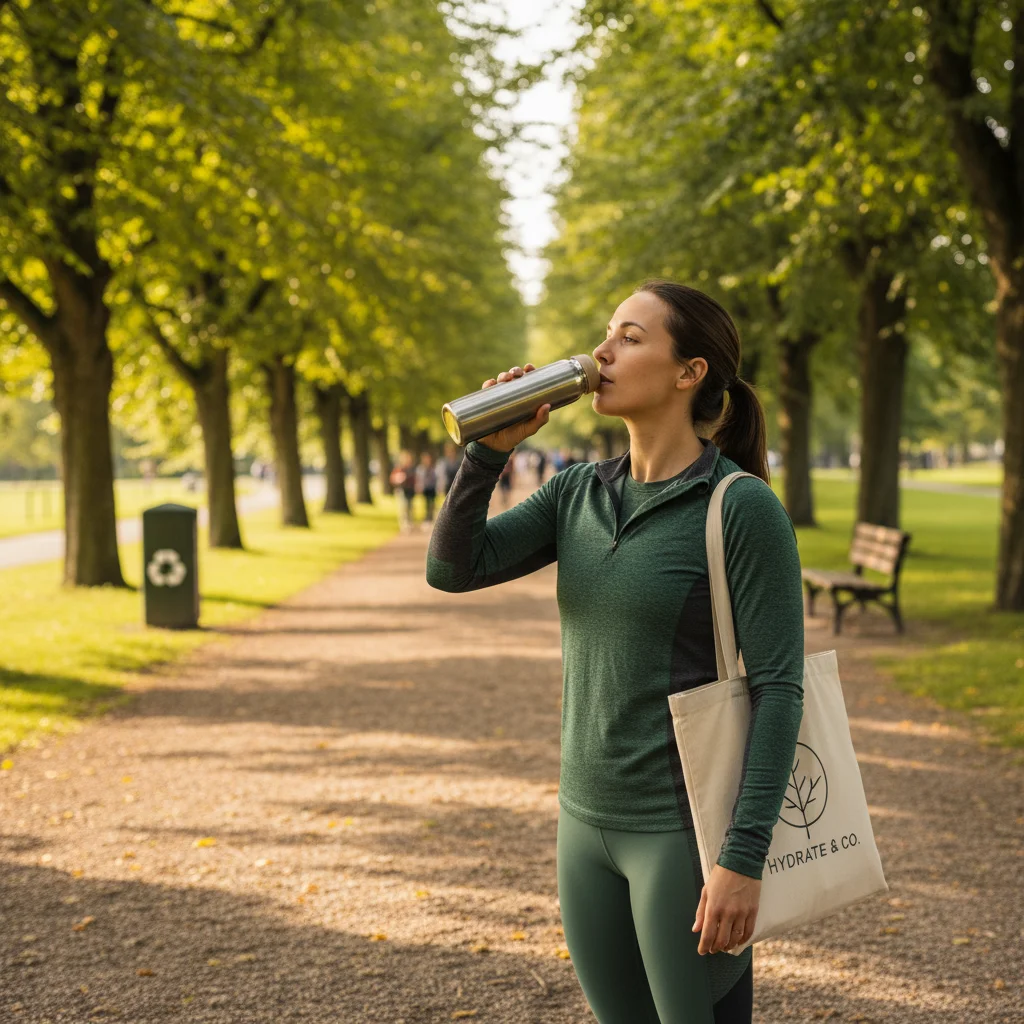
This is arguably the most impactful change you can make. A high-quality, reusable water bottle becomes your hydration companion. Choose one that you love the look and feel of, and that’s easy to clean. Look for features like a wide mouth for ice, a straw for easy sipping, or time markers to help you track your progress. Keep this bottle filled and with you at all times: on your desk, in your car, in your bag, or by your bedside. Every time you see it, it serves as a gentle reminder to take a sip.
Strategic Placement at Home and Work
At home, place glasses of water in common areas: on your kitchen counter, by your computer, on your nightstand, and even in the bathroom. This eliminates the ‘effort barrier’ of having to go to the kitchen every time you want a drink. At work, keep a full pitcher or dispenser on your desk or in a communal area. If you’re in meetings, bring your water bottle with you. The more visible water is, the more likely you are to drink it without conscious effort.
Use Technology to Your Advantage
There are numerous apps designed to help you track your water intake and send you reminders. ‘WaterMinder,’ ‘Drink Water Reminder,’ and ‘Hydro Coach’ are popular options. These apps can be customized to your personal goals and send notifications throughout the day, providing a gentle nudge when you might otherwise forget. Smart water bottles that track your intake and sync with your phone are also emerging as innovative tools to enhance your daily hydration strategies.
Strategy 2: Integrate Hydration into Your Daily Routine
Building habits is all about associating a new action with an existing one. By linking water intake to established parts of your day, you can effortlessly weave daily hydration strategies into your routine without feeling like an extra chore.
Hydrate Upon Waking
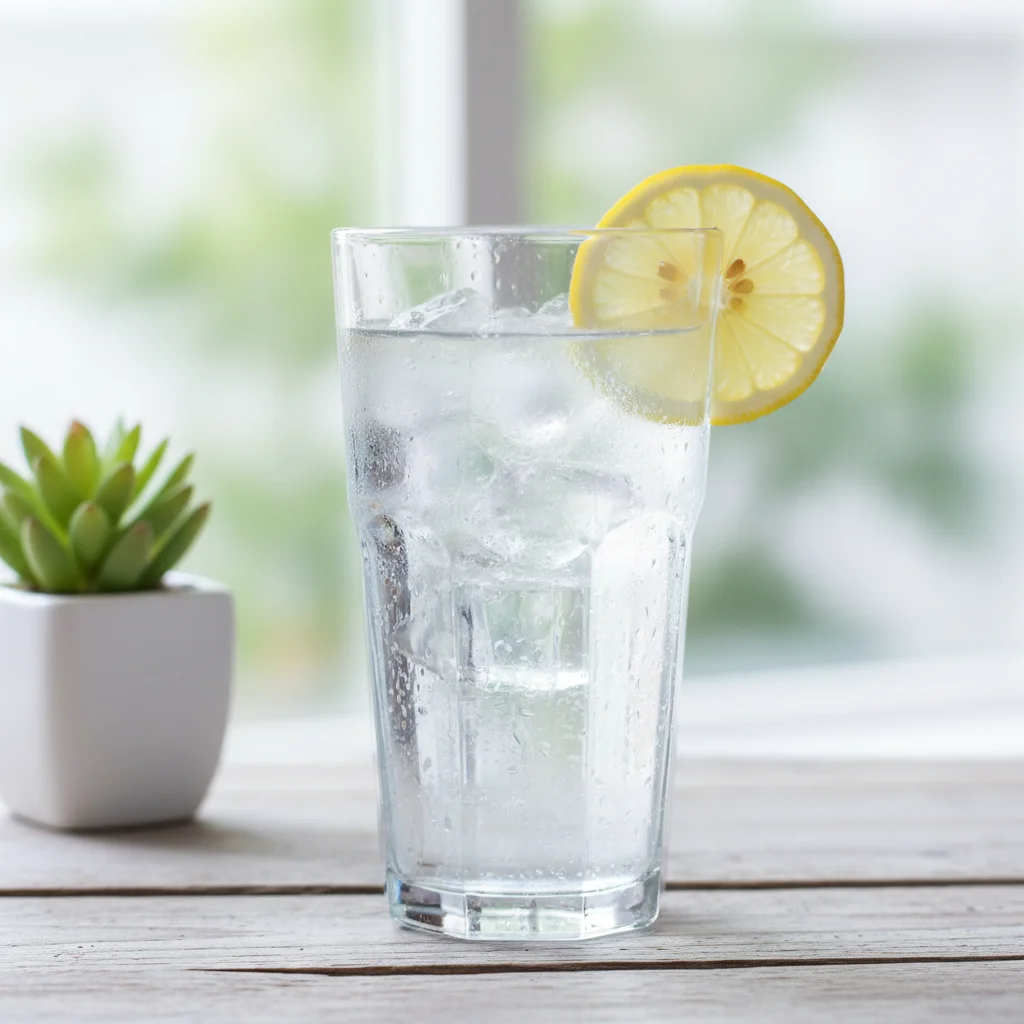
Start your day with a big glass of water. After hours of sleep, your body is naturally dehydrated. Rehydrating first thing in the morning kick-starts your metabolism, aids digestion, and can even help with mental alertness. Consider adding a squeeze of lemon for flavor and an extra vitamin C boost. Make this a non-negotiable part of your morning ritual.
Water Before Meals
Make it a habit to drink a glass of water 15-30 minutes before each meal. This not only contributes significantly to your daily intake but can also aid in digestion and potentially help with portion control, as it can create a feeling of fullness. This simple trick is a cornerstone of effective daily hydration strategies.
Pair Water with Other Beverages
If you enjoy coffee, tea, or soda, try to drink a glass of water for every serving of these beverages. Caffeinated drinks can have a mild diuretic effect, meaning they can cause you to excrete more fluid. By consciously pairing them with water, you can counteract this effect and maintain better overall hydration. This also applies to alcoholic beverages, which are known dehydrators.
Hydrate During and After Exercise
This is crucial but often overlooked. Drink water before, during, and after any physical activity. Even light exercise increases fluid loss through sweat. Don’t wait until you’re parched; sip consistently throughout your workout. For intense or prolonged exercise, consider electrolyte-enhanced water or sports drinks, but for most daily activities, plain water is perfectly sufficient.
Strategy 3: Make Water More Appealing and Flavorful
For many, the biggest obstacle to consistent daily hydration strategies is simply finding plain water boring. The good news is that ‘water’ doesn’t have to mean just tasteless tap water. There are countless ways to infuse flavor naturally, making hydration a more enjoyable experience.
Infused Water: Your Flavorful Friend
Infused water is a fantastic way to add natural flavor without sugar or artificial additives. Experiment with different combinations:
- Fruits: Slices of lemon, lime, orange, cucumber, berries (strawberries, raspberries, blueberries), and watermelon are excellent choices.
- Herbs: Mint, basil, rosemary, and ginger can add a refreshing twist.
- Vegetables: Cucumber and celery can provide a subtle, earthy taste.
Prepare a pitcher of infused water in the evening and let it chill overnight for maximum flavor. This makes it easy to grab a refreshing, flavorful drink throughout the next day, significantly enhancing your daily hydration strategies.
Sparkling Water and Seltzers
If you prefer carbonation, plain sparkling water or seltzer can be a great alternative to sugary sodas. Add a squeeze of fresh citrus or a splash of fruit juice (in moderation) for flavor. Just be mindful of flavored seltzers that might contain artificial sweeteners or high sodium levels.
Herbal Teas (Unsweetened)
Many herbal teas, served hot or iced, can contribute to your daily fluid intake. Chamomile, peppermint, ginger, and rooibos teas are naturally caffeine-free and offer a variety of health benefits in addition to hydration. Just remember to keep them unsweetened to avoid hidden sugars.
Consider Water-Rich Foods
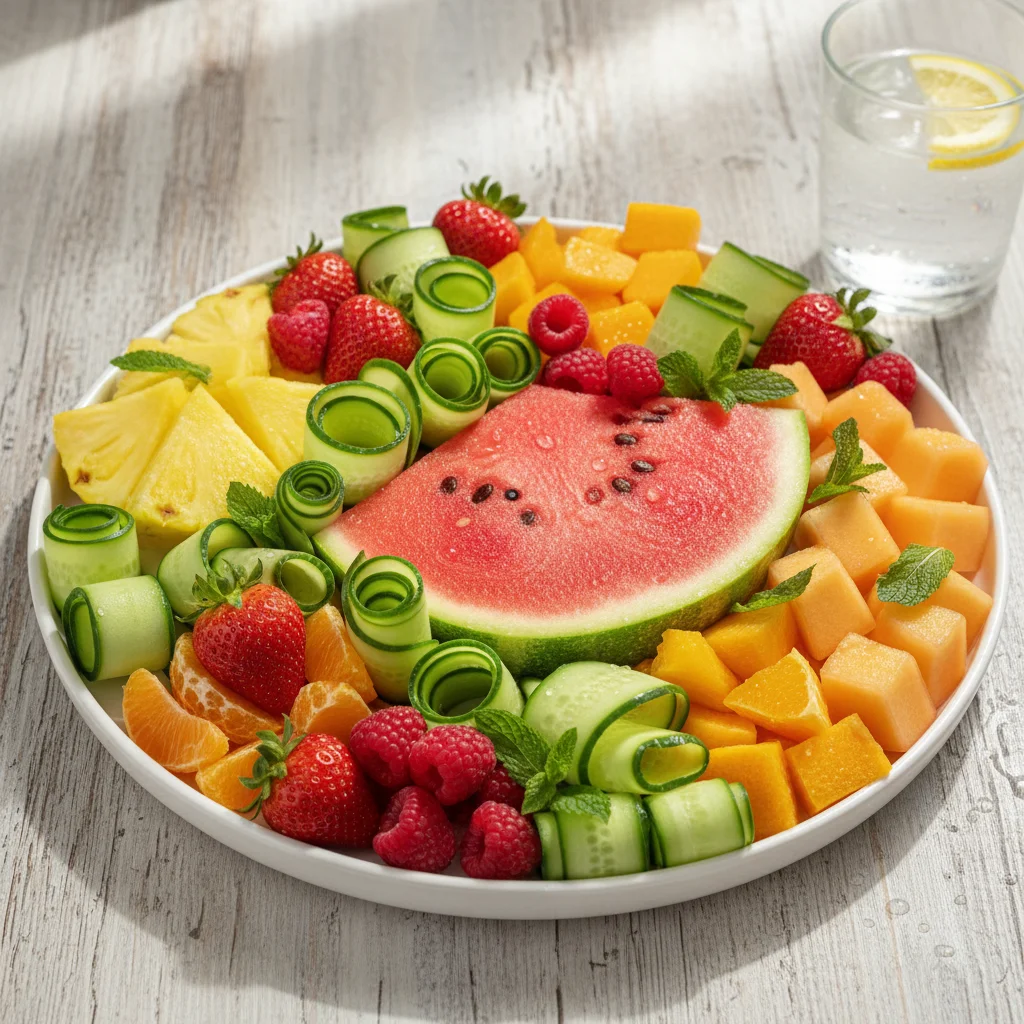
Remember that approximately 20% of your daily fluid intake comes from food. Incorporating more water-rich fruits and vegetables into your diet can significantly boost your overall hydration. Examples include:
- Fruits: Watermelon (92% water), strawberries (91% water), grapefruit (90% water), cantaloupe (90% water), peaches (89% water).
- Vegetables: Cucumber (95% water), lettuce (96% water), celery (95% water), bell peppers (92% water), zucchini (95% water).
Snacking on these foods or incorporating them into your meals is a delicious and effective component of your daily hydration strategies.
Strategy 4: Monitor and Adjust Your Intake
Effective daily hydration strategies aren’t static; they require a degree of self-awareness and adjustment based on your body’s signals and external factors. Learning to listen to your body is paramount.
Pay Attention to Your Body’s Signals
Beyond thirst and urine color, your body gives other subtle cues about its hydration status. Are you experiencing unexplained fatigue? Headaches? Dry mouth? Dizziness? These can all be signs of dehydration. By becoming more attuned to these signals, you can proactively reach for water before dehydration becomes more pronounced.
Track Your Progress
Whether you use a dedicated app, a marked water bottle, or simply tally glasses on a notepad, tracking your water intake can be incredibly motivating. Seeing your progress can reinforce positive habits and help you identify patterns. For example, you might notice you tend to drink less on weekends or during busy workdays, allowing you to implement targeted reminders or strategies.
Adjust for Specific Situations
Your daily hydration strategies need to be flexible. If you’re spending a day at the beach, hiking, or working in a hot environment, you’ll need significantly more water than usual. Similarly, if you’re feeling unwell, especially with a fever or digestive upset, increasing your fluid intake is critical. Be prepared to adjust your goals upwards when circumstances demand it.
Don’t Overdo It: Understanding Hyponatremia
While rare for most people, it’s also possible to drink too much water, leading to a condition called hyponatremia (low sodium levels in the blood). This typically occurs in endurance athletes who drink excessive amounts of water without replenishing electrolytes, or in individuals with certain medical conditions. For the average person following sensible daily hydration strategies, this is not a concern. The key is balance and listening to your body, not forcing yourself to drink beyond comfort.
Overcoming Common Hydration Challenges
Even with the best intentions and strategies, challenges can arise. Let’s address some common hurdles to consistent daily hydration.
The ‘I Forget to Drink Water’ Challenge
This is where visual cues and reminders come into play. Set hourly alarms on your phone, use a hydration tracking app, or simply keep a water bottle within arm’s reach at all times. Make it a game: every time you check your phone, take a sip. Every time you stand up, take a sip. Create associations that make drinking water almost automatic.
The ‘Water is Boring’ Challenge
As discussed, infused water, sparkling water, and unsweetened herbal teas are your allies here. Experiment with new flavor combinations regularly to keep things interesting. Don’t be afraid to get creative with fruits, vegetables, and herbs. A change in taste can make all the difference in maintaining your daily hydration strategies.
The ‘Too Many Bathroom Breaks’ Challenge
While increased urination is a sign that your body is processing fluids effectively, it can be inconvenient. The body eventually adapts to increased fluid intake, and the frequency of bathroom breaks may normalize. If it’s a significant concern, try to front-load your water intake earlier in the day, gradually reducing it a couple of hours before bedtime to minimize nighttime disruptions. However, never restrict water intake to the point of dehydration.
The ‘I Don’t Like the Taste of Tap Water’ Challenge
The quality and taste of tap water vary widely. If your tap water isn’t palatable, consider investing in a water filter pitcher, a faucet filter, or even a whole-house filtration system. These can significantly improve taste and remove impurities, making it much more enjoyable to adhere to your daily hydration strategies. Bottled water is an option, but be mindful of the environmental impact and potential microplastic concerns.
The Long-Term Benefits of Consistent Daily Hydration Strategies
Adopting and maintaining effective daily hydration strategies is not just about short-term fixes; it’s an investment in your long-term health and vitality. The cumulative effects of consistent hydration are profound and far-reaching.
Enhanced Energy and Mood
Say goodbye to the afternoon slump. Proper hydration keeps your energy levels stable throughout the day, preventing fatigue and lethargy. It also plays a role in neurotransmitter function, contributing to better mood regulation and reduced irritability. Imagine facing your day with sustained vigor and a more positive outlook, all thanks to a simple habit.
Improved Cognitive Function
Your brain is highly dependent on water. Staying well-hydrated enhances focus, concentration, memory, and overall cognitive performance. If you’ve ever felt ‘brain fog,’ dehydration could be a contributing factor. By prioritizing your daily hydration strategies, you’re essentially providing optimal fuel for your brain.
Better Physical Performance
Whether you’re an athlete or simply enjoy an active lifestyle, adequate hydration is non-negotiable for peak physical performance. It helps maintain muscle function, prevents cramps, lubricates joints, and regulates body temperature, allowing you to push harder and recover faster.
Healthier Skin and Hair
Water is essential for maintaining skin elasticity, suppleness, and a healthy complexion. Well-hydrated skin appears plumper, smoother, and more radiant. Similarly, proper hydration contributes to healthier hair, making it less prone to dryness and breakage. It’s a natural beauty secret that costs nothing.
Supports Weight Management
Drinking water can be a valuable tool in weight management. It can help you feel fuller, potentially reducing overall calorie intake. Replacing sugary drinks with water is a simple yet powerful way to cut down on empty calories. Furthermore, water is crucial for metabolic processes that burn fat.
Boosted Immune System
Water helps transport oxygen to your cells and flushes out toxins, supporting the optimal function of your immune system. A well-hydrated body is better equipped to fight off infections and illnesses, making daily hydration strategies a key component of preventative health.
Improved Digestive Health
From preventing constipation to aiding in nutrient absorption, water is fundamental to a healthy digestive system. It ensures that food moves smoothly through your gut and that waste products are efficiently eliminated, preventing discomfort and promoting regularity.
Conclusion: Make Hydration Your Priority
Mastering your daily hydration strategies is not about perfection; it’s about consistency and progress. It’s about recognizing water not as a chore, but as a powerful, free tool for optimizing every aspect of your health. By making water accessible, integrating it into your routine, making it appealing, and monitoring your intake, you can effortlessly transform your hydration habits.
Start small, be patient with yourself, and celebrate every glass. Over time, these simple daily hydration strategies will become second nature, leading to a noticeable improvement in your energy levels, mood, cognitive function, physical performance, and overall well-being. Your body will thank you for it, and you’ll experience a renewed sense of vitality that only proper hydration can provide. Embrace the power of water, and unlock a healthier, more vibrant you, one sip at a time.