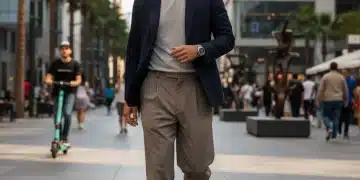
Unpacking the 2026 Street Style Evolution: 3 Key Shifts Reshaping Urban Fashion in the US
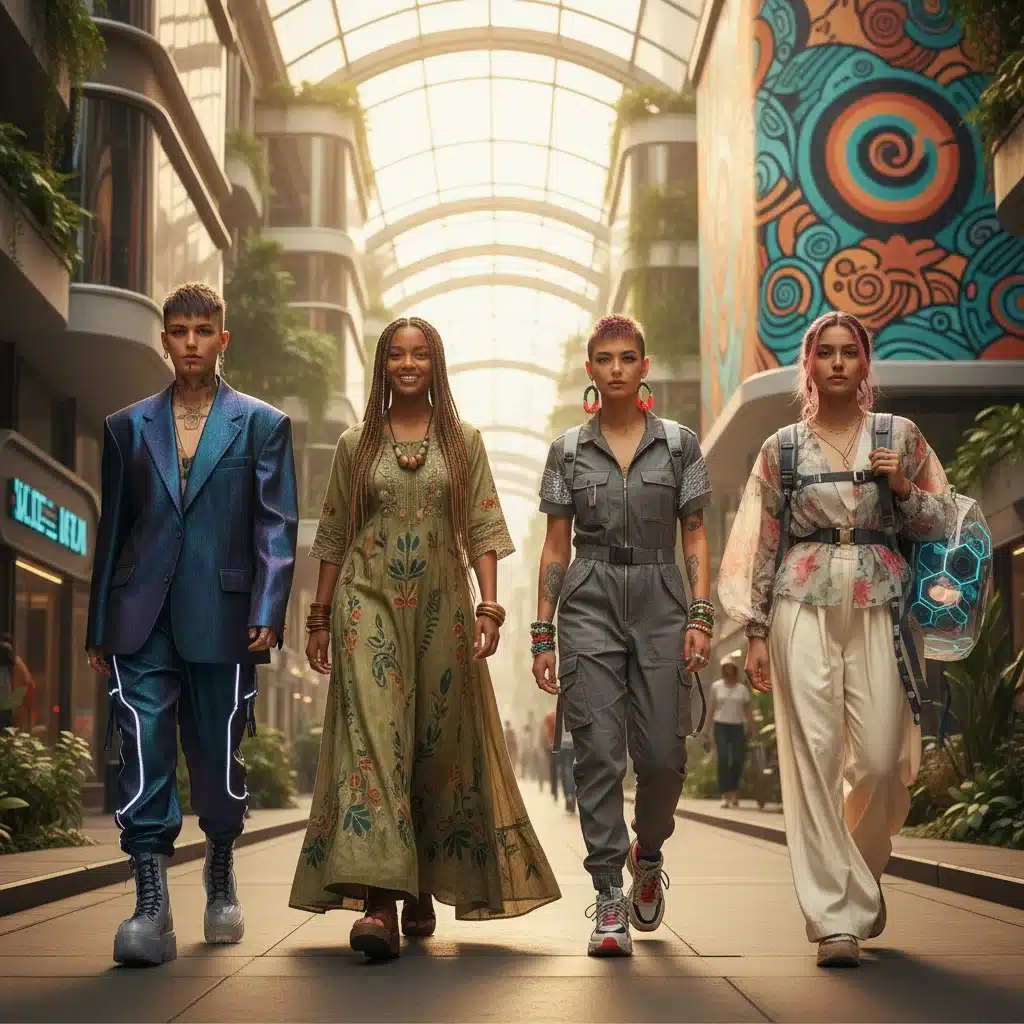
Unpacking the 2026 Street Style Evolution: 3 Key Shifts Reshaping Urban Fashion in the US
The urban landscape has always been a dynamic canvas for self-expression, and nowhere is this more evident than in the ever-evolving world of street style. As we edge closer to the middle of the decade, the 2026 street style scene is poised for a significant transformation. Far from being a fleeting trend, the shifts we are witnessing now are foundational, redefining how we perceive, create, and consume fashion in our daily lives. This deep dive will explore three pivotal changes that are not just influencing but actively reshaping urban fashion across the United States.
Introduction: The Pulse of Urban Fashion in 2026
Street style, at its core, is a barometer of societal change. It reflects our values, our aspirations, and our collective consciousness. The year 2026 promises a street style aesthetic that is more reflective, more conscious, and more innovative than ever before. We’re moving beyond superficial trends into an era where personal narrative, environmental responsibility, and fluid identity are woven into the very fabric of our clothing choices. The 2026 street style movement is less about following dictates and more about forging individual paths, creating a rich tapestry of diverse expressions.
Understanding these shifts is crucial for anyone interested in fashion, from designers and retailers to everyday consumers. It’s about anticipating not just what we’ll wear, but why we’ll wear it. The traditional fashion cycle, once dictated by runway shows and high-fashion houses, has been democratized by social media and an increasingly aware consumer base. This decentralization has paved the way for authentic, ground-up movements that will define the 2026 street style landscape.
Our exploration will focus on three overarching themes that are converging to create this new fashion paradigm: the undeniable rise of hyper-personalization, the pervasive influence of sustainable techwear, and the mainstreaming of gender-fluid aesthetics. Each of these elements, while distinct, interacts with the others to form a comprehensive vision of future urban fashion. Let’s delve into these fascinating developments.
Advertisements
Shift 1: The Era of Hyper-Personalization and Unique Narratives
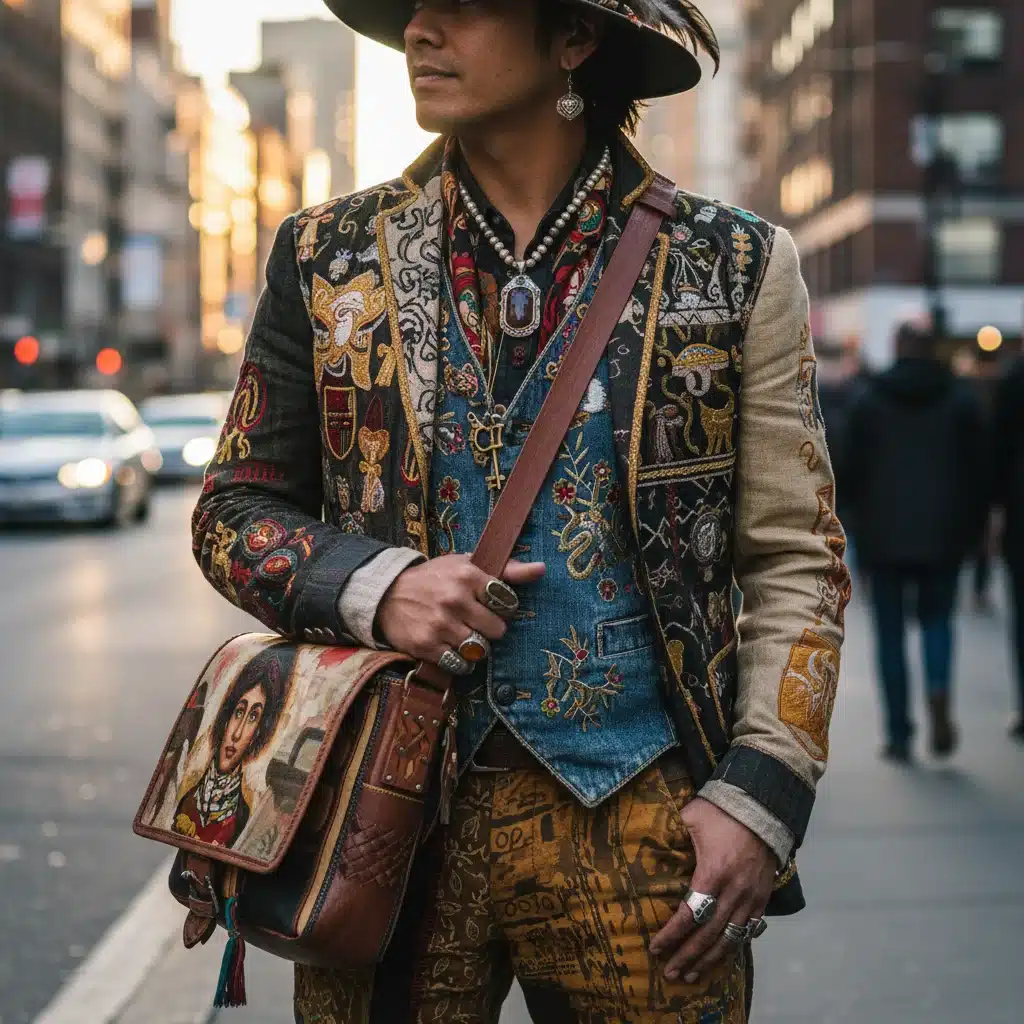
The first major shift defining the 2026 street style is the unprecedented rise of hyper-personalization. In a world saturated with mass-produced goods, the desire for uniqueness has intensified. Consumers are no longer content with simply buying clothes; they want to invest in pieces that tell a story, their story. This goes beyond bespoke tailoring; it encompasses customization, upcycling, DIY aesthetics, and a deep appreciation for artisanal craftsmanship.
The Art of Customization and Upcycling
By 2026, customization services will be more accessible than ever. Brands are investing in technologies that allow customers to co-create garments, from choosing fabrics and embellishments to designing unique prints and silhouettes. This isn’t just about adding a monogram; it’s about altering the fundamental design to fit individual preferences and body types. The integration of 3D printing and advanced digital design tools will make this process seamless and efficient.
Upcycling, once a niche activity, is becoming a cornerstone of hyper-personalization. Designers and consumers are transforming discarded garments into new, fashionable items, often with a distinct narrative. A vintage denim jacket, hand-painted with personal motifs or patched with meaningful fabrics, becomes a wearable piece of art. This trend not only promotes sustainability but also ensures that each item is truly one-of-a-kind, reflecting the wearer’s creativity and values. The charm of 2026 street style will largely stem from these unique, handcrafted touches.
The Influence of Digital Identities on Physical Style
Our digital lives are increasingly intertwined with our physical realities, and this connection is profoundly impacting street style. Online communities, gaming avatars, and virtual fashion are inspiring real-world aesthetics. People are translating their digital personas into their physical wardrobes, leading to highly specific and often experimental looks. This might manifest as adopting color palettes from a favorite video game, incorporating elements inspired by virtual reality experiences, or even commissioning garments based on digital designs.
Social media platforms continue to be powerful incubators for personal style. Influencers and everyday users alike are curating highly specific aesthetics, sharing their style journeys, and inspiring others to embrace their individuality. The feedback loop between digital expression and physical manifestation is accelerating, making hyper-personalization a dynamic and ever-evolving aspect of 2026 street style.
The Resurgence of Artisanal Craftsmanship
In an age of rapid consumption, there’s a growing appreciation for the slow, meticulous process of artisanal craftsmanship. Hand-stitched details, intricate embroidery, hand-dyed fabrics, and unique weaving techniques are gaining prominence. These elements add a layer of authenticity and luxury that mass-produced items simply cannot replicate. Consumers are willing to invest more in pieces that have a human touch and a story behind their creation, contributing to the rich diversity of 2026 street style.
This shift also reflects a desire for longevity and quality over quantity. A beautifully crafted, personalized garment is cherished and maintained, standing in stark contrast to the disposable nature of fast fashion. This focus on craftsmanship elevates street style from mere trend-following to an art form, where each outfit is a carefully curated expression of self.
Shift 2: The Dominance of Sustainable Techwear
The second monumental shift shaping the 2026 street style is the widespread adoption and evolution of sustainable techwear. As environmental concerns become more pressing and our lives become more integrated with technology, fashion is responding with garments that are both eco-conscious and highly functional. This isn’t just about utility; it’s about a harmonious blend of performance, aesthetics, and planetary responsibility.
Eco-Friendly Materials and Production
By 2026, sustainable materials will no longer be a niche offering but a standard expectation. Innovations in textile science are leading to the widespread use of fabrics made from recycled plastics, organic cotton, hemp, bamboo, and even lab-grown fibers. Biodegradable materials, such as those derived from algae or mushrooms, are moving from experimental stages to mainstream production. These materials offer not only a reduced environmental footprint but also often enhanced performance characteristics, such as breathability, durability, and moisture-wicking properties, perfectly suiting the demands of 2026 street style.
Production processes are also becoming more sustainable, with a focus on reducing water usage, energy consumption, and chemical waste. Brands are adopting circular economy principles, designing garments that can be easily repaired, reused, or fully recycled at the end of their life cycle. Transparency in the supply chain is also paramount, allowing consumers to make informed choices about the ethical and environmental impact of their purchases.
Functionality Meets Fashion: The Rise of Smart Garments
Techwear, at its core, is about functionality. In 2026, this functionality extends beyond weather resistance and practical pockets. We’re seeing the integration of smart textiles and wearable technology that enhance daily life. Imagine jackets with integrated heating elements, shirts that monitor your vital signs, or trousers with embedded charging capabilities for your devices. These innovations are becoming more discreet and seamlessly integrated into stylish designs, making them desirable for everyday wear.
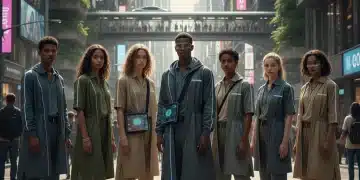
The aesthetic of techwear often leans towards utilitarianism, minimalism, and a futuristic edge. Think clean lines, modular designs, and a palette of muted tones punctuated by occasional vibrant accents. This aesthetic is highly adaptable and pairs well with the hyper-personalized elements discussed earlier, creating a versatile and practical 2026 street style that is both cutting-edge and conscious.
Durability and Longevity as Fashion Statements
In contrast to the fast fashion cycles of the past, durability and longevity are becoming highly valued attributes in 2026 street style. Sustainable techwear is designed to withstand the rigors of urban life and last for years, reducing the need for constant replacement. This focus on quality over quantity aligns perfectly with both environmental concerns and the desire for investment pieces that stand the test of time.
The concept of “repair culture” is also gaining traction. Brands are offering repair services, and consumers are actively seeking out ways to mend and extend the life of their garments. This not only reduces waste but also adds character to clothing, with visible mends and patches becoming a badge of honor, symbolizing a commitment to sustainable living and a unique personal history.
Shift 3: Mainstreaming of Gender-Fluid Aesthetics
The third transformative shift in 2026 street style is the mainstreaming of gender-fluid aesthetics. Traditional gender norms in fashion are rapidly dissolving, replaced by a more expansive and inclusive understanding of personal expression. This movement is about liberation from restrictive categories, allowing individuals to dress in ways that authentically reflect their identity, regardless of societal expectations.
Breaking Down Traditional Gender Boundaries
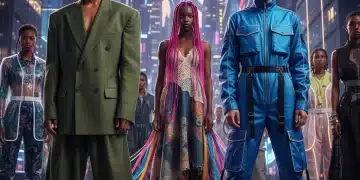
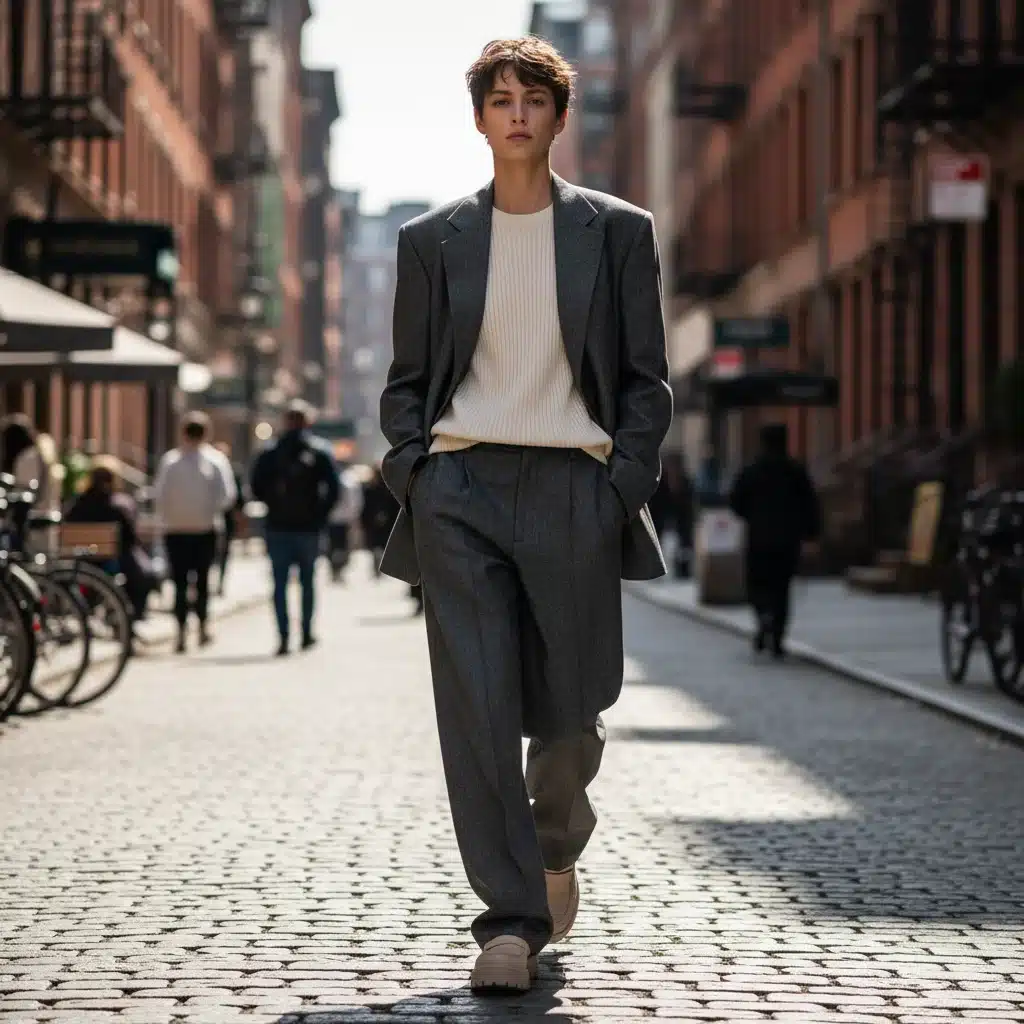
For decades, fashion has been largely bifurcated into “men’s” and “women’s” wear, with distinct silhouettes, colors, and design elements. By 2026, these distinctions are increasingly irrelevant on the street. Designers are creating collections that are inherently genderless, focusing on universal appeal and versatile pieces that can be styled by anyone. Oversized blazers, wide-leg trousers, flowing skirts, and utilitarian jumpsuits are examples of garments that transcend traditional gender associations.
The emphasis is on comfort, individuality, and self-expression. People are choosing clothing based on what they like, what feels good, and what communicates their personal style, rather than adhering to prescribed gender roles. This freedom of expression is empowering and contributes to a more diverse and vibrant 2026 street style landscape.
The Influence of Youth Culture and Social Media
Younger generations are at the forefront of this gender-fluid movement. Having grown up in a more inclusive and open-minded society, they naturally challenge conventional norms. Social media platforms provide a powerful space for these individuals to experiment with their style, connect with like-minded communities, and showcase gender-neutral looks. This visibility accelerates the mainstream acceptance of gender-fluid fashion, making it a prominent feature of 2026 street style.
Influencers, artists, and celebrities who embrace gender-fluid fashion play a crucial role in normalizing these aesthetics. Their visibility inspires others to explore their own style without fear of judgment, fostering a more accepting and experimental fashion environment. This cultural shift is not just about clothing; it’s about a broader societal evolution towards greater inclusivity.
Versatility and Comfort as Key Drivers
Beyond identity, the practical benefits of gender-fluid fashion are also driving its popularity. Many gender-neutral designs prioritize comfort, versatility, and practicality. Relaxed fits, adjustable elements, and durable fabrics are common features, making these garments suitable for a wide range of activities and body types. This aligns perfectly with the functional aspects of sustainable techwear and the desire for practical yet stylish clothing in 2026 street style.
The ability to mix and match pieces from traditionally “men’s” and “women’s” sections opens up endless possibilities for creative styling. This blurring of lines encourages experimentation and allows individuals to develop a truly unique and personal aesthetic, contributing to the rich tapestry of urban fashion.
The Interconnectedness of These Shifts
It’s important to recognize that these three shifts – hyper-personalization, sustainable techwear, and gender-fluid aesthetics – are not isolated phenomena. They are deeply interconnected, each influencing and reinforcing the others. For instance, a desire for hyper-personalization often leads to choices in sustainable materials or upcycled garments, as these offer unique storytelling opportunities. Similarly, gender-fluid designs frequently incorporate the practical and durable elements of techwear, appealing to a broader audience seeking comfort and longevity.
The synergy between these trends creates a holistic vision for 2026 street style: a fashion landscape that is deeply personal, environmentally responsible, technologically advanced, and radically inclusive. This interconnectedness is what makes the current evolution so profound and enduring. It’s not just about what’s “in” for a season, but about a fundamental recalibration of our relationship with clothing.
This holistic approach means that consumers are making more conscious decisions, considering not just the aesthetic appeal of an item but also its ethical implications, its environmental impact, and how it aligns with their personal values and identity. The 2026 street style will be a powerful reflection of a more aware and engaged populace.
Regional Variations and Global Influences
While these three shifts are global in their influence, their manifestation in the US will have interesting regional variations. Major fashion hubs like New York and Los Angeles will likely continue to be trendsetters, pushing boundaries with avant-garde interpretations of gender-fluid techwear and highly experimental personalized looks. However, cities like Portland and Seattle might see a stronger emphasis on sustainable and utilitarian techwear, reflecting their eco-conscious ethos.
Southern cities, while embracing elements of personalization, might infuse them with unique cultural motifs and a more relaxed aesthetic. The Midwest could see a blend of practicality and comfort, with a growing appreciation for durable, ethically made pieces that withstand diverse climates.
Furthermore, global influences will continue to play a crucial role. Korean street style, with its blend of casual and avant-garde elements, and Japanese street style, known for its layered and experimental approach, will undoubtedly continue to inspire American urban fashion. The digital age ensures that trends and ideas travel instantaneously across borders, creating a rich fusion of styles that contribute to the dynamic nature of 2026 street style.
The Future of Fashion: Beyond 2026 Street Style
Looking beyond 2026, these foundational shifts will likely continue to evolve. Hyper-personalization could lead to even more sophisticated AI-driven design tools, allowing for truly custom garments created on demand. Sustainable techwear will likely integrate even more advanced bio-materials and energy-harvesting technologies, making clothing an active part of our environmental solution. Gender-fluid aesthetics will continue to push the boundaries of what is considered “normal,” fostering an even more accepting and diverse fashion landscape.
The role of virtual and augmented reality in fashion will also grow. We might see digital overlays on physical garments, allowing for dynamic customization and interactive experiences. Digital fashion, already a burgeoning industry, could become an integral part of our everyday style, with virtual outfits purchased and “worn” in digital spaces, influencing our physical choices.
Ultimately, the 2026 street style is not just about clothes; it’s about a cultural movement. It’s a statement about identity, responsibility, and innovation. It signifies a departure from rigid norms towards a future where fashion is truly an extension of the self, consciously crafted and worn with purpose.
Conclusion: A New Dawn for Urban Expression
The 2026 street style evolution in the US is marked by three profound shifts: the embrace of hyper-personalization, the ascendancy of sustainable techwear, and the mainstreaming of gender-fluid aesthetics. These changes are not merely superficial; they represent a deeper cultural transformation, reflecting a growing desire for authenticity, environmental responsibility, and inclusive self-expression.
As we navigate this exciting new era, urban fashion will continue to be a powerful indicator of societal values. It will be a space where creativity thrives, where individuality is celebrated, and where conscious choices drive innovation. The streets of America in 2026 will tell a story of a generation that values substance as much as style, forging a path towards a more meaningful and sustainable future for fashion.
Embrace these shifts, experiment with your style, and be a part of shaping the vibrant and diverse future of urban fashion. The 2026 street style is not just a trend; it’s a movement towards a more authentic and responsible way of dressing.