
Jewelry Revolution: 3 Unexpected Materials Dominating Fashion Discoveries in Spring 2026
The world of fashion is in a constant state of flux, always evolving, always pushing boundaries. As we look ahead to Spring 2026, the jewelry material trends are pointing towards an exciting and unexpected revolution. Gone are the days when precious metals and gemstones held an exclusive monopoly. A new era is dawning, one where sustainability, innovation, and artistic expression are paramount, leading to the emergence of truly unique and unexpected materials dominating the accessory landscape. This shift isn’t just about aesthetics; it’s a profound cultural movement reflecting a deeper consciousness about our planet and our individual identities.
For decades, jewelry has been synonymous with luxury, rarity, and tradition. Gold, silver, platinum, diamonds, rubies, emeralds – these were the undisputed kings and queens of adornment. While their timeless appeal will undoubtedly endure, the Spring 2026 collections are signaling a bold departure, introducing materials that challenge our preconceived notions of what constitutes ‘valuable’ or ‘beautiful’ in jewelry. This exploration into novel elements is driven by a confluence of factors: a growing demand for eco-conscious products, advancements in material science, and a desire for individuality that transcends conventional luxury. The discerning fashionista of tomorrow isn’t just looking for sparkle; they’re seeking a story, a statement, and a connection to something meaningful.
In this comprehensive exploration, we will delve into three groundbreaking jewelry material trends that are set to redefine elegance and style for Spring 2026. These materials, ranging from the organic to the industrial, promise to deliver breathtaking designs that are both innovative and deeply resonant with contemporary values. Prepare to be inspired by the ingenious ways designers are transforming the ordinary into the extraordinary, proving that true beauty can be found in the most unexpected places. Understanding these trends is not just about staying ahead in fashion; it’s about appreciating the evolving artistry and ethical considerations that are shaping the future of adornment. Let’s embark on this fascinating journey into the future of jewelry.
Advertisements
1. The Rise of Bio-Resins: Sustainable Sparkle with a Conscience
One of the most captivating jewelry material trends for Spring 2026 is the widespread adoption of bio-resins. Forget everything you thought you knew about traditional plastics; these aren’t your average synthetic polymers. Bio-resins are a revolutionary class of materials derived from renewable biological sources, such as plant-based oils, agricultural waste, or even algae. Their appeal lies not only in their incredible versatility and aesthetic potential but, more importantly, in their significantly reduced environmental footprint compared to conventional petroleum-based resins.
Designers are embracing bio-resins for their ability to be molded, cast, and colored in an infinite array of forms and hues. Imagine translucent earrings embedded with dried flowers, delicate leaves, or even microscopic natural elements, creating miniature wearable ecosystems. Picture chunky, sculptural bangles with a smooth, almost liquid finish, reflecting light in mesmerizing ways, each piece telling a unique, organic story. The spectrum of colors achievable with bio-resins is truly astounding, from vibrant, jewel-toned saturation to ethereal, milky pastels, allowing for an unprecedented level of creative freedom.
Beyond their visual appeal, the sustainability aspect of bio-resins is a major draw for both designers and consumers. As environmental concerns continue to shape consumer choices, jewelry crafted from these innovative materials offers a guilt-free indulgence. Brands are increasingly transparent about their sourcing and manufacturing processes, highlighting the biodegradability or compostability of their bio-resin creations. This commitment to eco-conscious practices resonates deeply with a generation of buyers who prioritize ethical consumption and seek products that align with their values. The narrative of sustainability becomes an integral part of the jewelry’s charm, making it more than just an accessory – it’s a statement of environmental responsibility.
The tactile experience of bio-resin jewelry is also noteworthy. Often lightweight, smooth, and comfortable against the skin, these pieces offer a refreshing alternative to heavier metal designs. Their inherent warmth, in contrast to the coolness of metal, adds another layer of sensory appeal. This combination of visual beauty, ethical production, and wearer comfort positions bio-resins as a frontrunner in the evolving landscape of jewelry material trends. They are a testament to how innovation can beautifully intersect with sustainability, proving that luxury can indeed be green.
Early adopters of bio-resin in jewelry are showcasing a stunning array of designs. We’re seeing statement necklaces with large, polished bio-resin pendants resembling natural amber or jade, but with a modern, almost futuristic twist. Rings are being crafted with intricate inlays of bio-resin and recycled wood, creating a harmonious blend of natural and engineered elements. Brooches and hairpins are adorned with delicate bio-resin blossoms, offering a whimsical yet sophisticated touch. The adaptability of bio-resins allows for both minimalist, clean lines and highly ornate, detailed creations, ensuring there’s a bio-resin piece for every style preference. This material truly embodies the spirit of innovation that is driving the Spring 2026 jewelry material trends, demonstrating a powerful shift towards more thoughtful and environmentally friendly adornment.
2. Upcycled Industrial Metals: From Gritty to Glamorous
Breaking free from traditional precious metals, Spring 2026 is witnessing a fascinating transformation of upcycled industrial metals into high-fashion jewelry. This unexpected jewelry material trend celebrates the beauty in raw, repurposed elements, turning what was once considered waste into captivating works of art. Think beyond sterling silver and gold; we’re talking about salvaged copper pipes, discarded aluminum sheets, reclaimed steel components, and even sophisticated alloys from aerospace or automotive industries that are given a new lease of life.
The allure of upcycled industrial metals lies in their inherent character and narrative. Each piece carries a history, a previous life, which designers are skillfully incorporating into their creations. The imperfections, the subtle patinas, the unique textures that tell a story of transformation – these are not flaws but desirable features that lend an authentic, edgy charm to the jewelry. This trend speaks to a growing appreciation for authenticity and a rebellion against mass-produced uniformity. Consumers are increasingly drawn to pieces that feel singular and possess a narrative beyond mere material value.
Artists and jewelers are employing a variety of techniques to transform these rugged materials into wearable masterpieces. Welding, hammering, polishing, acid etching, and even heat treatment are used to manipulate the metals, bringing out their inherent beauty. The resulting pieces often feature bold, architectural forms, geometric precision, or organic, free-flowing shapes that highlight the material’s raw strength and versatility. The aesthetic can range from sleek and minimalist to rugged and avant-garde, catering to a wide spectrum of tastes within the fashion-forward community.
Furthermore, the ethical implications of using upcycled industrial metals are significant. By diverting these materials from landfills and reducing the demand for newly mined resources, this trend aligns perfectly with the principles of a circular economy. It champions resourcefulness and innovation, offering a sustainable alternative to traditional metal sourcing, which can often have considerable environmental and social impacts. This conscious approach to material selection is a cornerstone of the emerging jewelry material trends, appealing to consumers who want their accessories to reflect a commitment to environmental stewardship.
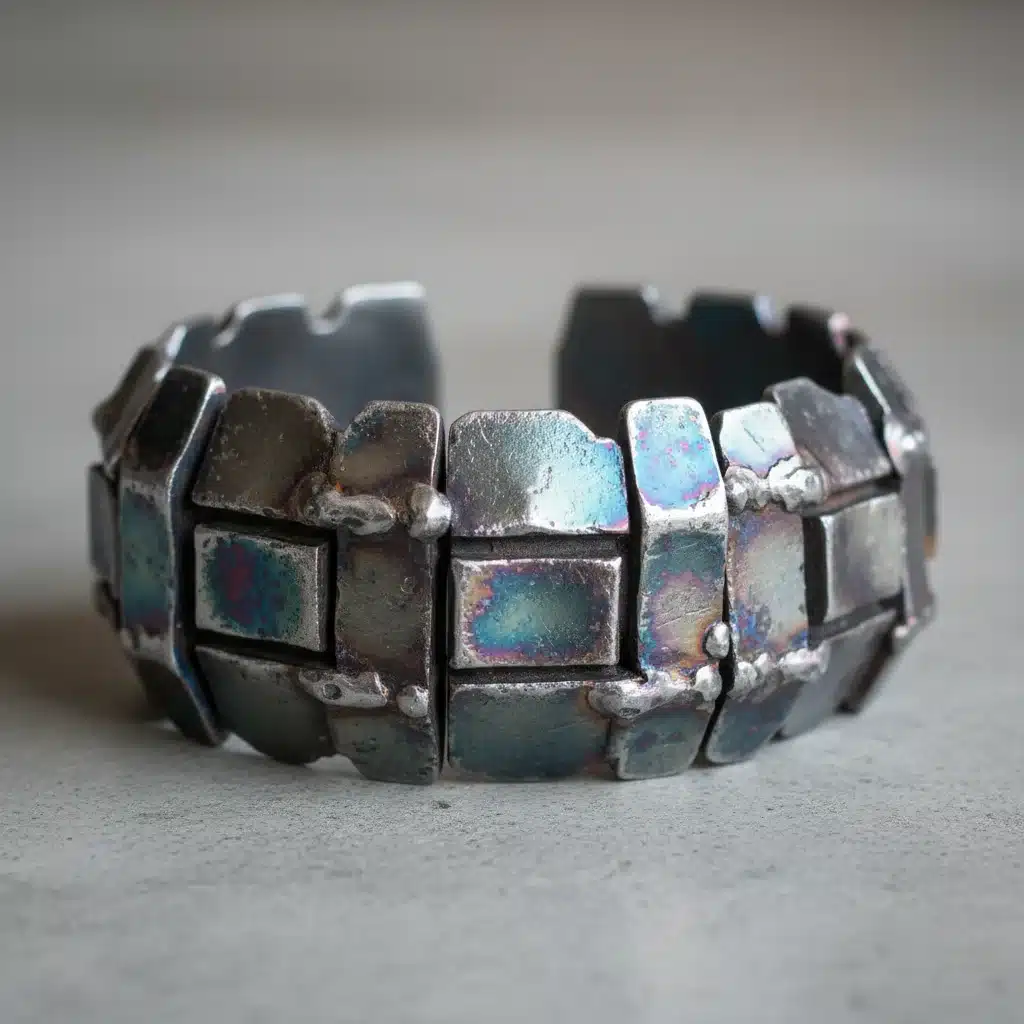
The visual impact of upcycled industrial metal jewelry is undeniably striking. Imagine a statement cuff fashioned from polished brass gears, or a necklace featuring interlocking steel components with a brushed finish. These pieces often possess a substantial weight and a cool, metallic sheen that exudes confidence and modern sophistication. They can be surprisingly versatile, pairing equally well with a tailored business suit for an unexpected twist or with casual streetwear for an elevated, urban edge. This adaptability makes them a powerful addition to any wardrobe, capable of transforming an outfit with their distinctive presence.
Designers are exploring various finishes for these upcycled metals, from high-shine mirror polishes that reflect light dramatically to matte, oxidized surfaces that evoke a sense of ancient artifact or industrial heritage. Some pieces might even incorporate elements of rust or natural corrosion, sealed to prevent further degradation, celebrating the material’s journey and inherent character. The juxtaposition of these ‘imperfect’ materials with refined design principles creates a compelling tension that is both visually intriguing and intellectually stimulating. This segment of the jewelry material trends is not just about making a fashion statement; it’s about making a statement about resourcefulness, resilience, and the endless possibilities of transformation.
The appeal of upcycled industrial metals also lies in their accessibility and democratic nature. While traditional precious metals often come with prohibitive price tags, these alternative materials allow designers to create bold, impactful pieces that are more widely attainable, democratizing high-fashion jewelry. This opens up avenues for a broader range of consumers to engage with cutting-edge design and sustainable practices. The narrative of turning discarded materials into desirable luxury items is incredibly powerful and resonates with a contemporary audience seeking both style and substance. This trend is a clear indicator that the future of jewelry is not just about what something is made of, but the story it tells and the values it represents.
3. Advanced Ceramics: Delicate Strength and Modern Elegance
The third major player in the Spring 2026 jewelry material trends is advanced ceramics. Far from the fragile pottery of yesteryear, modern ceramics, particularly high-tech varieties like zirconia and alumina, offer an extraordinary combination of strength, lightness, and a sophisticated aesthetic. These materials are renowned for their exceptional durability, scratch resistance, and often a silky-smooth, almost velvety touch, making them ideal for innovative jewelry design.
What makes advanced ceramics so compelling for jewelry is their unique visual and tactile qualities. They can be engineered to be incredibly hard, yet surprisingly lightweight, offering comfort without compromising on presence. The color palette achievable with ceramics is vast and nuanced, from stark, glossy black and pristine white to a spectrum of subtle, earthy tones and vibrant, saturated hues. Their ability to hold intricate details and achieve a flawless, smooth finish makes them perfect for contemporary, minimalist designs as well as more complex, sculptural pieces.
Designers are leveraging the precision and versatility of ceramics to create jewelry that feels both ancient and futuristic. We are seeing elegant ceramic rings with clean lines, sculptural pendants that mimic natural forms, and delicate earrings that play with geometric abstraction. The material’s non-allergenic properties are another significant advantage, making ceramic jewelry a fantastic option for those with sensitive skin, further broadening its appeal among a health-conscious consumer base. This practical benefit, combined with their aesthetic prowess, positions ceramics as a strong contender in the evolving world of jewelry material trends.
The juxtaposition of ceramic’s perceived fragility with its actual strength creates an intriguing dichotomy that designers are expertly exploiting. This allows for the creation of incredibly thin, delicate-looking pieces that are, in reality, remarkably robust. Imagine a necklace composed of wafer-thin ceramic discs, or a bracelet with interlocking ceramic links that appear feather-light. This unexpected resilience adds a layer of sophistication and practicality, making ceramic jewelry suitable for everyday wear as well as special occasions. The ability of ceramics to maintain their color and finish without tarnishing or fading is also a huge draw, offering longevity and enduring beauty.
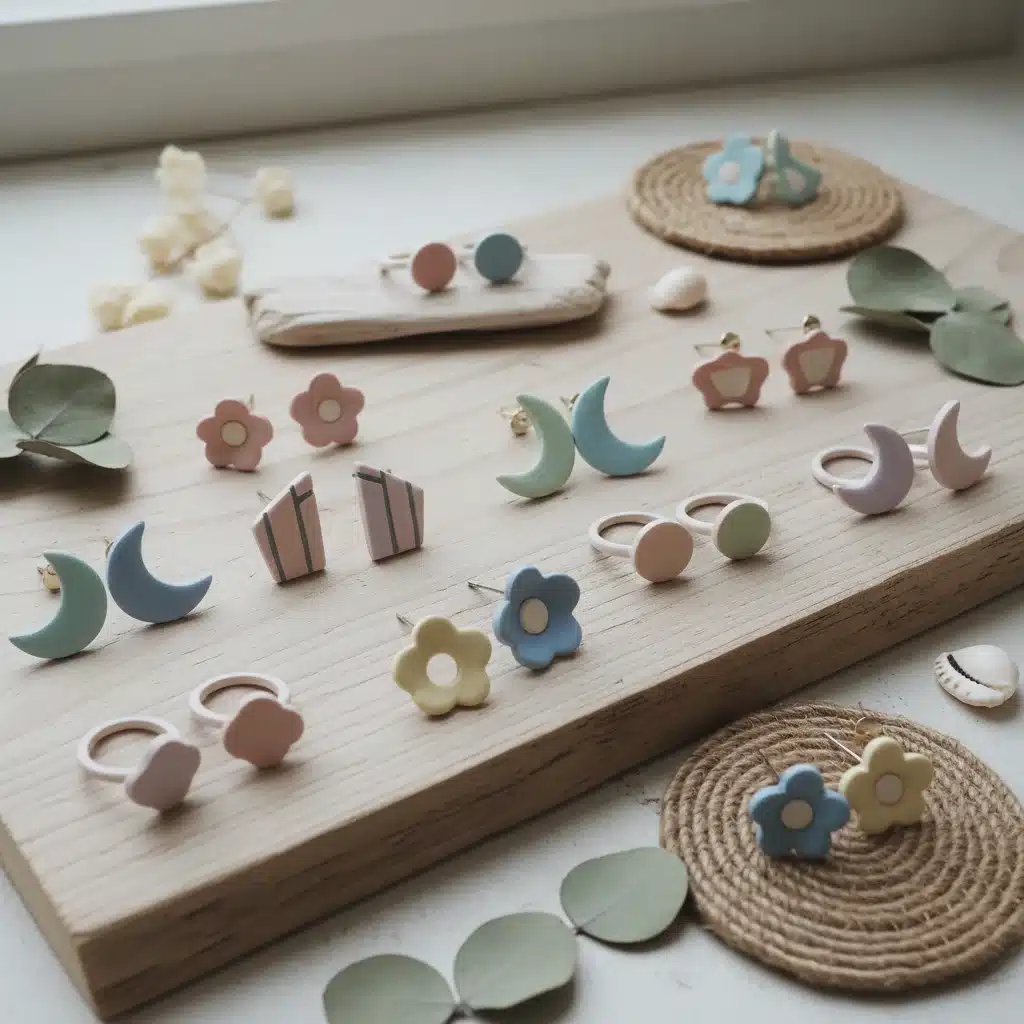
The aesthetic range of ceramic jewelry is truly impressive. While often associated with a sleek, modern look, designers are also exploring more organic and textural finishes. Some pieces feature matte, unglazed surfaces that evoke a natural, earthy feel, while others boast highly polished, reflective glazes that mimic the luster of traditional precious materials. The ability to incorporate subtle patterns, etched designs, or even hand-painted motifs further expands the creative possibilities. This adaptability ensures that ceramic jewelry can cater to diverse style preferences, from the understated to the boldly artistic.
Furthermore, the sustainable aspect of ceramic production is gaining traction. While traditional ceramic firing can be energy-intensive, advancements in kiln technology and the use of recycled ceramic waste are making the process more eco-friendly. Many brands are also focusing on local sourcing of raw materials and ethical manufacturing practices, aligning with the broader movement towards responsible consumption. As consumers become more discerning about the origins and impact of their purchases, the transparency and sustainability efforts in ceramic jewelry production will undoubtedly enhance its appeal, solidifying its place among the top jewelry material trends for Spring 2026. This material offers a compelling blend of strength, elegance, and conscious craftsmanship, making it a truly revolutionary addition to the jewelry lexicon.
The Future is Now: Embracing Innovation in Adornment
The Spring 2026 jewelry material trends are a clear indicator that the fashion industry is undergoing a significant transformation, moving beyond conventional definitions of luxury and beauty. The embrace of bio-resins, upcycled industrial metals, and advanced ceramics is not merely a fleeting fad; it represents a fundamental shift towards more sustainable, innovative, and personally expressive forms of adornment. These materials offer designers unprecedented creative freedom, allowing them to craft pieces that are not only visually stunning but also imbued with deeper meaning and purpose.
For consumers, this revolution in jewelry material trends means a wider array of choices that cater to diverse tastes, budgets, and ethical considerations. Whether you are drawn to the ethereal beauty of bio-resin, the rugged charm of upcycled metal, or the delicate strength of ceramic, there is a piece that speaks to your individual style and values. These new materials challenge us to reconsider what makes an item precious, shifting the focus from inherent material value to design innovation, craftsmanship, and environmental responsibility.
The impact of these trends extends beyond individual pieces of jewelry. They are driving a broader conversation about circularity in fashion, the importance of material science, and the power of conscious consumption. Brands that are at the forefront of these innovations are not just selling accessories; they are selling a vision for a more sustainable and creative future. They are proving that high fashion and ethical practices can coexist, and indeed, enhance each other. This holistic approach to design and production is setting a new standard for the industry, pushing boundaries and inspiring change.
As we anticipate Spring 2026, the excitement around these emerging jewelry material trends is palpable. They represent a vibrant fusion of art, science, and ethics, promising a season filled with groundbreaking designs and meaningful statements. So, as you plan your future wardrobe, remember to keep an eye out for these unexpected materials. They are not just accessories; they are conversation starters, reflections of a changing world, and beautiful emblems of a forward-thinking approach to fashion. Embrace the revolution, and adorn yourself with pieces that tell a story of innovation, sustainability, and unparalleled style.
Key Takeaways for Spring 2026 Jewelry:
- Bio-Resins: Expect lightweight, colorful, and often translucent pieces with embedded natural elements, offering a sustainable and ethereal aesthetic.
- Upcycled Industrial Metals: Look for bold, sculptural designs with unique textures and finishes, celebrating raw beauty and resourcefulness.
- Advanced Ceramics: Discover elegant, durable, and lightweight jewelry with sleek lines or intricate details, available in a wide spectrum of colors and finishes.
These materials are not just replacing traditional options; they are expanding the very definition of jewelry, making it more accessible, more ethical, and more exciting than ever before. The future of adornment is here, and it’s brilliantly unexpected.