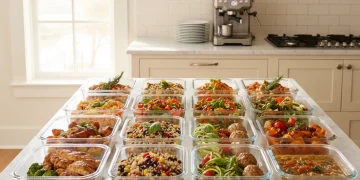
Mastering Leftovers: 6 Quick Recipes to Prevent Food Waste
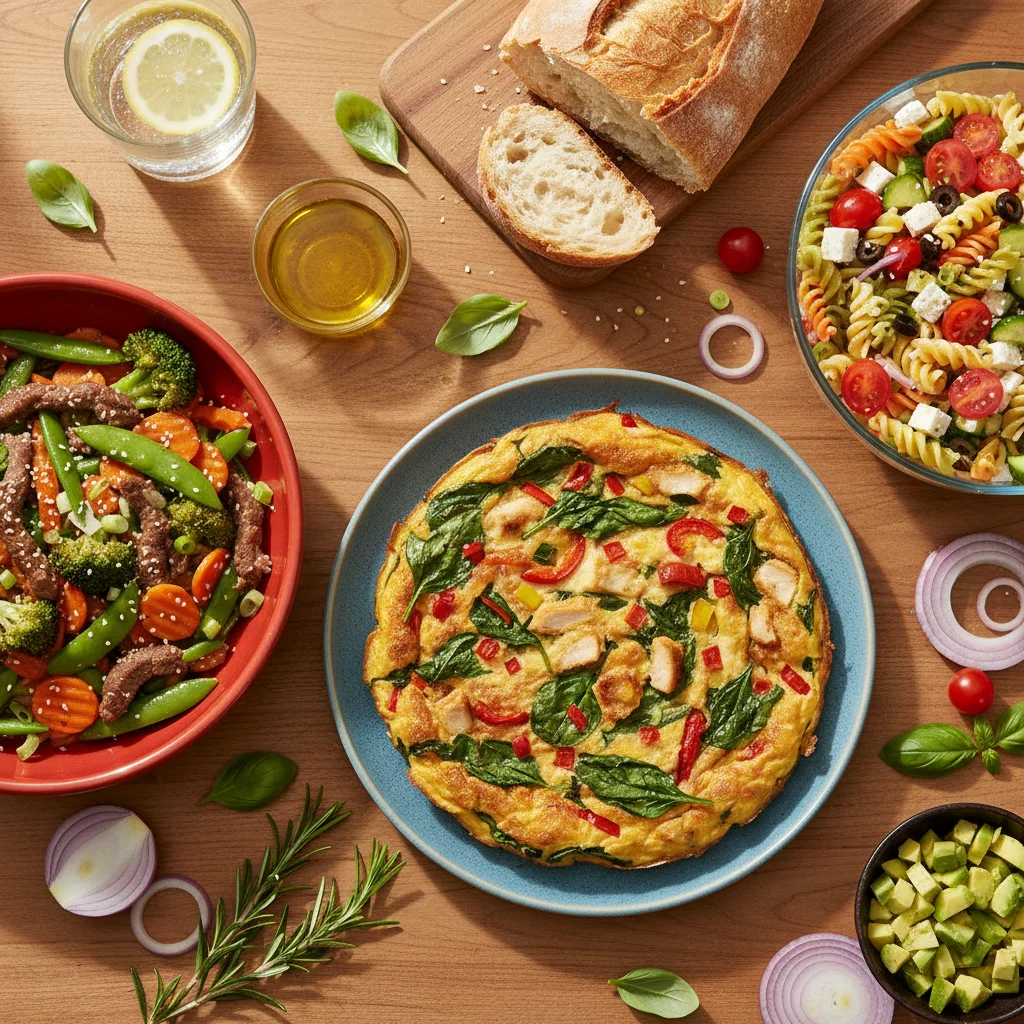
Mastering Leftovers: 6 Quick Recipes to Prevent Food Waste
In a world where resources are precious, the amount of food that goes to waste is staggering. Every year, a significant portion of edible food ends up in landfills, contributing to environmental problems and representing a colossal waste of money and effort. But what if there was a simple, delicious way to combat this issue right from your own kitchen? The answer lies in mastering the art of transforming leftovers. By embracing creative cooking and adopting smart strategies, you can significantly prevent food waste, save money, and discover exciting new flavors. This comprehensive guide will equip you with the knowledge and inspiration to turn those forgotten ingredients into culinary masterpieces.
Food waste isn’t just an environmental concern; it’s an economic one too. Think about the money you spend on groceries each week. If a quarter of that food ends up in the bin, you’re essentially throwing away a quarter of your grocery budget. Beyond the financial aspect, the resources used to produce, transport, and store that food—water, energy, labor—are also squandered. Learning to prevent food waste is a powerful step towards a more sustainable lifestyle, and it doesn’t require drastic changes. Often, it’s about shifting your mindset and getting a little creative with what you already have.
This article will delve into practical tips for reducing food waste in your home, from smart shopping to proper storage. More importantly, we’ll provide you with six quick, versatile, and delicious recipes specifically designed to use up common leftovers. These aren’t just ‘use-it-up’ meals; they are recipes that stand on their own as fantastic dishes, proving that repurposed food can be just as, if not more, exciting than the original. Get ready to revolutionize your kitchen habits and become a champion of sustainability!
Understanding the Impact of Food Waste and Why We Need to Prevent It
Before diving into recipes, it’s crucial to understand the magnitude of the problem we’re trying to solve. Food waste is a global issue with far-reaching consequences. According to the Food and Agriculture Organization of the United Nations (FAO), roughly one-third of the food produced in the world for human consumption every year – approximately 1.3 billion tons – gets lost or wasted. This waste occurs at every stage of the food supply chain, from agricultural production to processing, distribution, and consumption.
Environmental Ramifications
- Greenhouse Gas Emissions: When food rots in landfills, it produces methane, a potent greenhouse gas that contributes significantly to climate change. Reducing food waste directly lowers these emissions.
- Resource Depletion: Producing food requires vast amounts of land, water, and energy. Wasting food means all these precious resources were used in vain. For instance, the water used to grow food that is ultimately wasted could be enough to meet the domestic needs of 9 billion people.
- Biodiversity Loss: Agricultural expansion, often driven by demand for food that may later be wasted, leads to deforestation and habitat destruction, threatening countless species.
Economic and Social Costs
- Financial Loss: For households, food waste translates directly into wasted money. For businesses, it means lost revenue from unsold or spoiled products.
- Food Insecurity: In a world where millions still go hungry, the paradox of massive food waste is stark. Redistributing edible surplus food could help alleviate food insecurity.
- Inefficient Systems: Food waste highlights inefficiencies in our food systems, from harvesting techniques to consumer purchasing habits.
The good news is that preventing food waste at the household level is one of the most impactful ways individuals can contribute to a more sustainable and equitable world. It starts with awareness and practical strategies.
Smart Strategies to Prevent Food Waste Before It Starts
The best way to deal with leftovers is to have fewer of them in the first place, or to plan for them intentionally. Here are some foundational habits to adopt:
1. Plan Your Meals
Before you even step into the grocery store, take some time to plan your meals for the week. This involves:
- Checking Your Pantry: See what you already have. This prevents duplicate purchases and ensures older ingredients get used.
- Creating a Shopping List: Stick to your list. Impulse buys are often the first to go bad.
- Portion Control: Plan realistic portion sizes for your family to avoid overcooking.
2. Shop Smart
- Buy What You Need: Avoid buying in bulk if you won’t consume it all before it spoils. Smaller, more frequent trips might be better for perishables.
- Don’t Shun Imperfect Produce: “Ugly” fruits and vegetables are just as nutritious and delicious. Many stores now offer them at a discount.
3. Store Food Properly
Proper storage is a game-changer for extending the life of your food:
- Understand Your Fridge and Pantry: Learn the best places for different foods. For example, some fruits produce ethylene gas (like apples and bananas), which can ripen other produce faster. Store them separately.
- Airtight Containers: Use them for cooked food and opened packages to maintain freshness.
- “First In, First Out” (FIFO): Place newer items at the back of your fridge/pantry and older ones at the front so they get used first.
- Freezing: Your freezer is your best friend! Freeze leftovers, bread, fruits, and vegetables that you won’t use immediately. Label everything with the date.
4. Understand Expiration Dates
There’s often confusion around ‘best by,’ ‘sell by,’ and ‘use by’ dates. ‘Use by’ is generally about safety, while ‘best by’ or ‘sell by’ often refer to peak quality. Many foods are perfectly safe and delicious to consume past their ‘best by’ date. Use your senses: smell, look, and touch.
6 Quick Recipes to Prevent Food Waste and Delight Your Taste Buds
Now for the exciting part! These recipes are designed to be flexible, allowing you to substitute ingredients based on what you have. The goal is to inspire creativity and show you how easy it is to prevent food waste with a little imagination.
Recipe 1: The Ultimate Leftover Rice Stir-Fry
What it uses: Cooked rice, any leftover cooked protein (chicken, beef, tofu), wilting vegetables (bell peppers, carrots, broccoli, peas, spinach).
Why it’s great: Day-old rice is actually ideal for stir-fries as it’s less sticky. This dish is endlessly customizable and comes together in minutes.
Ingredients:
- 2 cups cold cooked rice
- 1-2 cups mixed leftover cooked protein (shredded chicken, diced beef, crumbled tofu)
- 1-2 cups chopped mixed vegetables (onions, garlic, bell peppers, carrots, broccoli florets, peas, corn, spinach)
- 2 tbsp soy sauce (or tamari for gluten-free)
- 1 tbsp sesame oil
- 1 tsp grated ginger (optional)
- 1 egg, whisked (optional)
- Oil for cooking
- Salt and pepper to taste
- Garnish: chopped green onions, sesame seeds
Instructions:
- Heat a large skillet or wok over medium-high heat. Add a tablespoon of oil.
- Add onions, garlic, and harder vegetables (carrots, broccoli). Stir-fry for 2-3 minutes until slightly tender-crisp.
- Add softer vegetables (bell peppers, peas, corn, spinach) and your cooked protein. Stir-fry for another 2 minutes.
- Push ingredients to one side of the pan. If using, pour whisked egg into the empty space and scramble until just set. Mix with other ingredients.
- Add the cold cooked rice to the pan. Break up any clumps. Pour soy sauce and sesame oil over the rice. Add ginger if using.
- Stir-fry everything together for 3-5 minutes, ensuring the rice is heated through and slightly toasted. Season with salt and pepper.
- Serve hot, garnished with green onions and sesame seeds.
Recipe 2: Versatile Leftover Veggie Frittata or Quiche
What it uses: Any cooked vegetables, small amounts of leftover cheese, cooked meats, herbs, eggs.
Why it’s great: A frittata is the ultimate clean-out-the-fridge meal. It’s perfect for breakfast, lunch, or a light dinner, and it’s incredibly forgiving. A quiche just adds a pastry crust for extra indulgence.
Ingredients:
- 6-8 large eggs
- 1/4 cup milk or cream (optional, for creaminess)
- 1-2 cups mixed cooked vegetables (roasted broccoli, sautéed spinach, grilled zucchini, diced potatoes)
- 1/2 cup shredded cheese (cheddar, mozzarella, feta, goat cheese)
- 1/2 cup cooked meat (diced ham, crumbled bacon, shredded chicken) – optional
- 1 tbsp olive oil or butter
- Salt, pepper, and herbs (parsley, chives, thyme) to taste
- For quiche: 1 pre-made pie crust
Instructions (Frittata):
- Preheat oven to 375°F (190°C).
- In a large bowl, whisk eggs with milk/cream, salt, pepper, and herbs until well combined.
- Heat olive oil or butter in an oven-safe, non-stick skillet (10-inch) over medium heat.
- Add your cooked vegetables and meat (if using) to the skillet and sauté for 1-2 minutes to warm through.
- Sprinkle half the cheese over the vegetables.
- Pour the egg mixture evenly over the vegetables in the skillet. Sprinkle the remaining cheese on top.
- Cook on the stovetop for 3-5 minutes, until the edges begin to set.
- Transfer the skillet to the preheated oven and bake for 15-20 minutes, or until the frittata is puffed and set in the center.
- Let it rest for a few minutes before slicing and serving.
Instructions (Quiche):
- Preheat oven to 375°F (190°C). Press pie crust into a pie plate.
- Whisk eggs, milk/cream, salt, pepper, and herbs.
- Scatter cooked vegetables, meat, and cheese evenly in the pie crust.
- Pour egg mixture over the fillings.
- Bake for 35-45 minutes, or until the center is set and the crust is golden. Let cool slightly before serving.
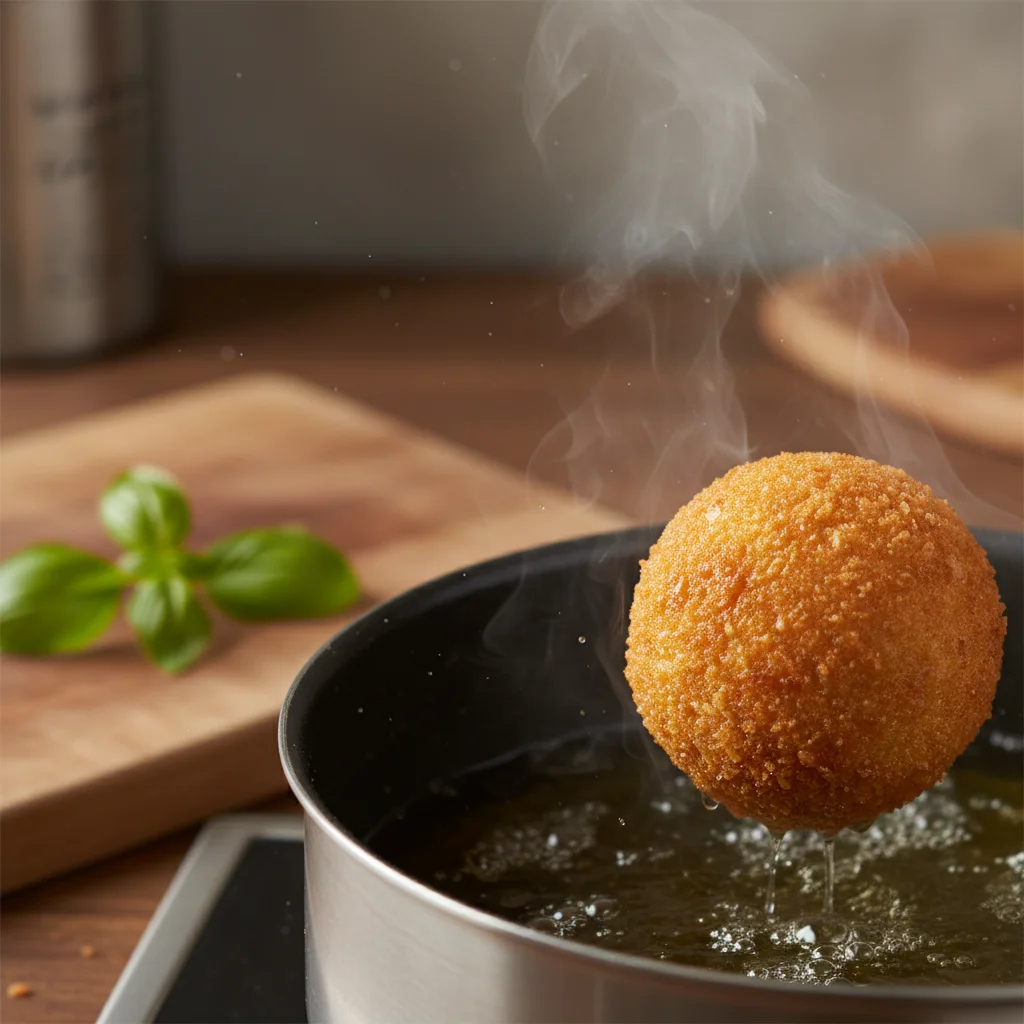
Recipe 3: Creative Leftover Pasta Salad
What it uses: Cooked pasta (any shape), leftover cooked vegetables, proteins, cheeses, and a simple vinaigrette.
Why it’s great: Cold pasta salads are fantastic for meal prep, picnics, or quick lunches. They’re a brilliant way to use up those small amounts of various ingredients.
Ingredients:
- 2 cups cooked pasta (penne, rotini, farfalle, spaghetti broken into smaller pieces)
- 1-2 cups mixed leftover vegetables (cherry tomatoes, cucumbers, bell peppers, olives, blanched broccoli, roasted zucchini)
- 1/2 – 1 cup leftover cooked protein (cubed chicken, tuna, chickpeas, hard-boiled eggs)
- 1/4 cup crumbled feta or shredded mozzarella (optional)
- For the dressing: 3 tbsp olive oil, 1 tbsp vinegar (red wine, balsamic, or apple cider), 1 tsp Dijon mustard, salt, pepper, dried oregano or fresh herbs
Instructions:
- In a large bowl, combine the cooked pasta, all chopped vegetables, protein, and cheese (if using).
- In a small bowl, whisk together the olive oil, vinegar, Dijon mustard, salt, pepper, and herbs until well emulsified.
- Pour the dressing over the pasta mixture and toss gently to coat everything evenly.
- Taste and adjust seasoning if needed.
- Cover and refrigerate for at least 30 minutes to allow flavors to meld. Can be made ahead and stored for up to 3 days.
Recipe 4: Hearty Leftover Soup or Stew
What it uses: Any leftover cooked meats, roasted vegetables, pasta, grains, or even just vegetable scraps for broth.
Why it’s great: Soups are the ultimate comfort food and a fantastic vehicle for using up almost anything. They can be simple pureed creations or chunky, hearty meals.
Ingredients:
- 1 tbsp olive oil or butter
- 1 onion, chopped
- 2 cloves garlic, minced
- 4 cups vegetable or chicken broth (or water if making a simple vegetable broth)
- 2-3 cups mixed leftover cooked vegetables (diced potatoes, carrots, corn, green beans, spinach)
- 1-2 cups leftover cooked protein (shredded chicken, beef, lentils, beans)
- 1/2 cup leftover cooked pasta or grains (rice, quinoa, barley) – optional
- 1 (14.5 oz) can diced tomatoes (optional, for flavor and acidity)
- Salt, pepper, and herbs (bay leaf, thyme, parsley) to taste
Instructions:
- In a large pot or Dutch oven, heat olive oil or butter over medium heat. Add chopped onion and sauté until softened, about 5 minutes. Add minced garlic and cook for another minute until fragrant.
- Pour in the broth (and diced tomatoes if using). Bring to a simmer.
- Add any harder leftover cooked vegetables (like potatoes or carrots if they need more softening) and herbs. Simmer for 5-10 minutes.
- Add softer cooked vegetables, cooked protein, and cooked pasta/grains. Heat through for another 5-10 minutes, ensuring all ingredients are warm and flavors have melded.
- Taste and adjust seasoning. Remove bay leaf if used.
- Serve hot, garnished with fresh herbs or a dollop of sour cream/yogurt.
Recipe 5: Savory Leftover Mashed Potato Cakes/Patties
What it uses: Leftover mashed potatoes.
Why it’s great: Transform plain mashed potatoes into crispy, golden patties that are perfect as a side dish or even a light meal with a fried egg on top. Kids love them!
Ingredients:
- 2 cups cold leftover mashed potatoes
- 1/4 cup shredded cheese (cheddar, Parmesan)
- 1 small egg, beaten
- 2 tbsp chopped fresh chives or green onions (optional)
- 2 tbsp all-purpose flour or breadcrumbs (for binding, adjust as needed)
- Salt and pepper to taste
- Oil for frying (vegetable, canola, or olive oil)
Instructions:
- In a medium bowl, combine the cold mashed potatoes, shredded cheese, beaten egg, chives/green onions (if using), flour/breadcrumbs, salt, and pepper. Mix well until everything is incorporated. The mixture should be firm enough to shape. If it’s too sticky, add a little more flour/breadcrumbs.
- Divide the mixture into 6-8 equal portions and shape them into patties, about 1/2 inch thick.
- Heat about 1-2 tablespoons of oil in a large non-stick skillet over medium heat.
- Carefully place the potato patties in the hot skillet, ensuring not to overcrowd the pan. Cook for 4-6 minutes per side, or until golden brown and crispy.
- Remove from skillet and place on a paper towel-lined plate to drain any excess oil.
- Serve warm as a side dish, with sour cream, or topped with a fried egg.

Recipe 6: Deconstructed Leftover Sandwich Skewers/Wraps
What it uses: Any leftover deli meats, cheeses, bread (can be toasted or used as croutons), raw veggies.
Why it’s great: A fun, interactive way to use up sandwich fillings that might be nearing their end. Great for kids or a light, customizable lunch.
Ingredients:
- Leftover deli meats (turkey, ham, roast beef), cut into bite-sized pieces or rolled
- Leftover cheese slices or cubes (cheddar, provolone, Swiss)
- Cherry tomatoes, cucumber slices, bell pepper chunks, olives
- Bread (can be cut into cubes and toasted for croutons, or used as soft mini-wraps)
- Lettuce leaves or spinach
- Optional: pickles, hummus, mustard, mayonnaise for dipping
- Wooden skewers (if making skewers)
Instructions (Skewers):
- Prepare all ingredients by cutting them into bite-sized pieces.
- Thread the ingredients onto wooden skewers in an alternating pattern: meat, cheese, vegetable, bread cube, etc.
- Arrangement on a platter with small bowls of dips like mustard, hummus, or mayonnaise.
Instructions (Wraps/Lettuce Cups):
- Lay out lettuce leaves or small tortillas/wraps.
- Allow everyone to fill their own wraps with the various leftover ingredients.
- Offer a variety of spreads and sauces.
Beyond the Recipes: Creative Ways to Utilize Scraps and Prevent Food Waste
Sometimes, it’s not just about the big leftovers but the smaller bits and pieces that accumulate. Here are more ideas to help you prevent food waste at every level:
1. Vegetable Scrap Broth
Don’t throw away onion skins, carrot peels, celery ends, or herb stems! Keep a bag in your freezer and collect these scraps. Once the bag is full, simmer them in a pot with water for an hour or two to make a flavorful homemade vegetable broth. Strain and freeze for later use in soups, stews, or risottos.
2. Herb Ice Cubes
If you have fresh herbs that are about to go bad, chop them finely, place them in ice cube trays, cover with olive oil or water, and freeze. Pop them out as needed for cooking – perfect for sautéing or adding to sauces.
3. Fruit Scraps for Infused Water or Smoothies
Lemon rinds, apple cores, or strawberry tops can be used to infuse water for a refreshing drink. Slightly overripe fruits are perfect for smoothies, baked goods, or homemade fruit compotes.
4. Bread Crumbs and Croutons
Stale bread is a treasure! Cut it into cubes, toss with olive oil and herbs, and bake for homemade croutons. Or, process it into breadcrumbs for coating proteins, topping casseroles, or as a binder in meatballs.
5. Composting
For unavoidable food scraps (like banana peels, coffee grounds, or truly spoiled food), composting is an excellent way to return nutrients to the earth and reduce landfill waste. Many communities offer composting services, or you can start a backyard compost bin.
Conclusion: Your Kitchen, Your Impact to Prevent Food Waste
The journey to significantly prevent food waste in your home is a rewarding one. It’s a blend of mindful shopping, smart storage, and creative cooking. By adopting the strategies and recipes outlined in this guide, you’re not just saving money; you’re actively contributing to a more sustainable planet, reducing your environmental footprint, and becoming a more resourceful and innovative cook.
Every small action counts. The next time you open your refrigerator and see those forgotten ingredients, don’t see them as waste; see them as an opportunity. An opportunity to experiment, to create something new, and to make a positive impact. Embrace the challenge, get creative in the kitchen, and enjoy the delicious results of a waste-free lifestyle. Happy cooking!