
Mastering Limited-Edition Fashion: Your Data-Driven Blueprint for 2026
In the exhilarating, often cutthroat world of limited-edition fashion, securing that coveted item can feel like winning the lottery. From exclusive sneaker drops to high-fashion collaborations and rare streetwear pieces, the thrill of acquiring something truly unique is unmatched. However, as demand skyrockets and supply remains meticulously scarce, the game has evolved. Gone are the days when simply being quick-fingered was enough. Welcome to 2026, where the savvy fashion enthusiast leverages data-driven insights, artificial intelligence, and strategic planning to snag those elusive limited edition fashion items before they sell out.
This comprehensive guide will arm you with the knowledge and tools necessary to navigate this competitive landscape. We’ll delve into the power of data, explore cutting-edge technologies, and outline actionable strategies to ensure you’re always one step ahead. If you’re tired of missing out and ready to elevate your acquisition game, read on. The future of limited-edition fashion acquisition is here, and it’s powered by data.
The Evolving Landscape of Limited-Edition Fashion
The allure of limited edition fashion is multifaceted. It’s about exclusivity, status, investment, and often, a deep appreciation for design and craftsmanship. Brands intentionally create scarcity to generate hype, drive demand, and reinforce their desirability. This strategy has proven incredibly effective, turning product launches into global events and transforming certain items into cultural touchstones.
Advertisements
However, this success has also attracted a new breed of sophisticated buyers, including professional resellers utilizing bots and advanced tactics. The playing field is no longer level. To compete, individual collectors and enthusiasts must adopt a similar level of sophistication. This means moving beyond manual refreshing and relying on real-time data, predictive analytics, and community intelligence.
In 2026, the market for limited edition fashion is more dynamic than ever. We’re seeing increased personalization in drops, hyper-local releases, and even virtual-only items. Understanding these trends is the first step toward developing an effective acquisition strategy.
Understanding the Data Advantage: Why Data is Your Best Friend
At its core, data-driven acquisition is about making informed decisions based on evidence, not just intuition. For limited edition fashion, this translates to understanding release patterns, predicting demand, identifying key influencers, and even anticipating bot activity. Here’s how data provides an unparalleled advantage:
- Predictive Analytics: By analyzing historical sales data, social media sentiment, and search trends, you can predict which items will be most sought after and when they are likely to drop.
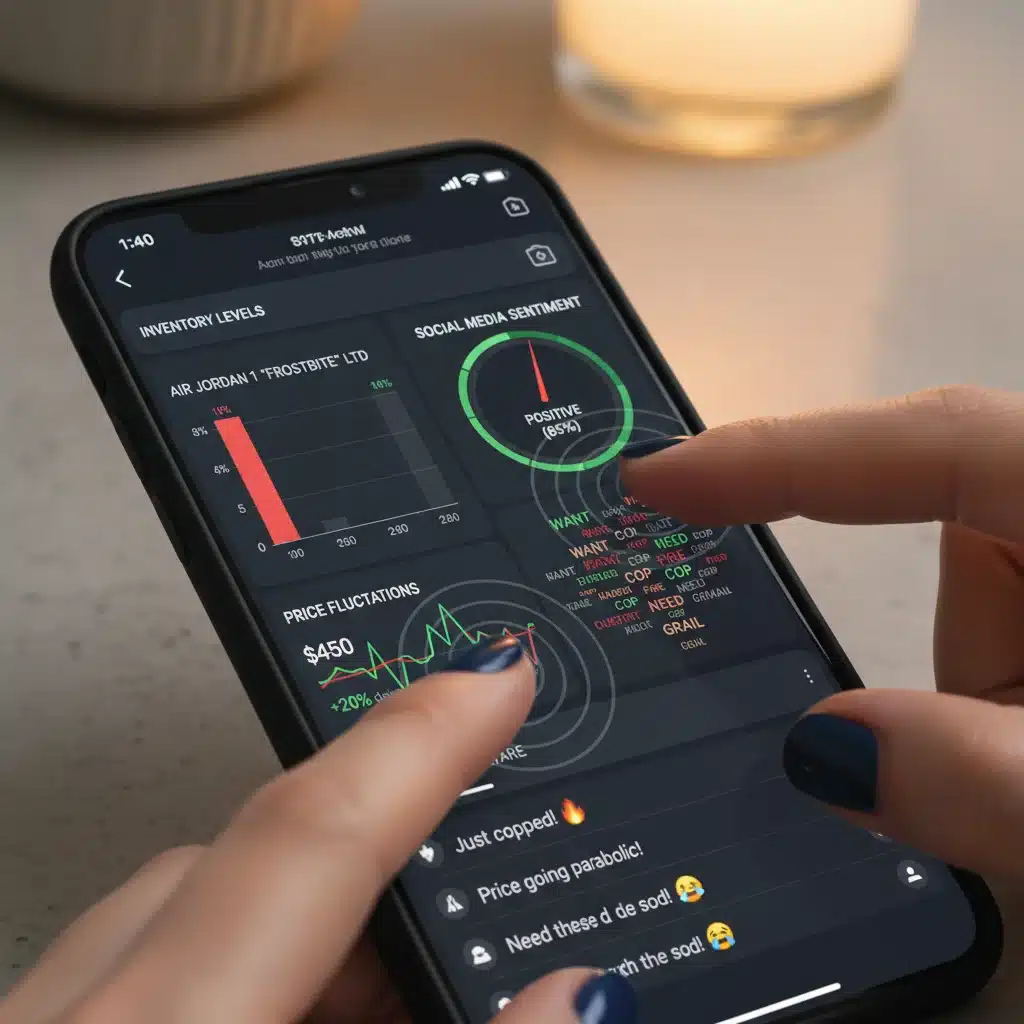
- Real-time Monitoring: Keeping an eye on inventory levels, early access links, and price fluctuations on resale markets provides crucial real-time intelligence.
- Bot Detection & Evasion: Understanding common bot behaviors can help you identify vulnerabilities in brand websites and develop strategies to bypass them.
- Personalized Alerts: Tailoring notifications based on your specific interests ensures you’re only alerted to drops that matter most to you, reducing noise and increasing efficiency.
Embracing a data-first mindset transforms the chase for limited edition fashion from a frantic scramble into a calculated pursuit.
Key Data Sources for Limited-Edition Fashion Hunters
To implement data-driven strategies, you need reliable data sources. These can range from publicly available information to specialized tools and community insights.
Official Brand Channels and News Aggregators
The most fundamental data comes directly from the source. Follow your favorite brands on all social media platforms (Instagram, X, TikTok), subscribe to their newsletters, and enable push notifications for their apps. Many brands now use a tiered release system, offering early access to loyal customers or app users. News aggregators and dedicated fashion media outlets also play a crucial role in disseminating information about upcoming drops.
Social Media Listening & Sentiment Analysis
Social media platforms are a goldmine for real-time sentiment and early leaks. Tools that monitor keywords, hashtags, and influencer activity can provide early warnings about hyped items. Look for:
- Spikes in mentions: An unusual increase in discussions around a specific product or collaboration often precedes an official announcement.
- Influencer activity: When key fashion influencers start teasing products, a drop is usually imminent.
- Community discussions: Dedicated forums and Discord servers are often the first place insider information or early access links are shared.
Resale Market Data
Platforms like StockX, GOAT, and Grailed offer invaluable data on past sales, current bids/asks, and price premiums. Analyzing this data helps you understand the true market value of items, identify potential investment pieces, and gauge demand. A sudden surge in bids for a yet-to-be-released item, for example, indicates high anticipated demand.
Website Traffic & Bot Activity Monitors
Advanced users might consider tools that monitor website traffic patterns to specific product pages. Unusual spikes in traffic can indicate an impending drop or a test run by the brand. While more technical, understanding common bot traffic patterns can help you anticipate server loads and potential bot interference.
Leveraging AI and Automation in Your Acquisition Strategy
In 2026, artificial intelligence and automation are no longer futuristic concepts; they are essential tools for anyone serious about securing limited edition fashion. These technologies can process vast amounts of data, identify patterns, and even execute actions faster than any human.
AI-Powered Prediction Engines
Imagine an AI that analyzes millions of data points – past drop times, social media trends, influencer engagement, even economic indicators – to predict the exact release window for a new item with high accuracy. Such tools are becoming increasingly sophisticated, offering users a significant edge. These engines can also predict resale value, helping you decide whether an item is worth the effort.
Automated Monitoring & Alert Systems
Instead of constantly refreshing websites, set up automated monitoring tools. These can:
- Track specific product pages: Get instant notifications when a product status changes from ‘coming soon’ to ‘live’.
- Monitor inventory levels: Be alerted when stock is low, prompting you to act quickly.
- Scrape social media: Automatically pull relevant posts and mentions, filtering out noise.
- Email/SMS alerts: Receive real-time notifications directly to your preferred device.
Smart Bots (Ethical Use)
The term ‘bot’ often carries negative connotations due to their misuse in scalping. However, ethically used, ‘smart bots’ can be powerful tools. This refers to scripts or browser extensions that automate mundane tasks like refreshing pages, filling out forms, or even attempting checkout. The key is to use them responsibly and within the terms of service of the retailers. Focus on legitimate automation that enhances your chances without unfairly disadvantaging others.
Building Your Data-Driven Limited-Edition Fashion Toolkit
To put these strategies into practice, you’ll need a robust toolkit. Here’s a breakdown of essential components:
1. Social Media Monitoring Tools
- Mention.com or Brandwatch: For comprehensive brand and keyword monitoring across various platforms.
- TweetDeck/Hootsuite: For real-time monitoring of specific hashtags and accounts on X (formerly Twitter).
- Discord Bots: Many fashion communities on Discord have bots that track releases and provide alerts.
2. Resale Market Analytics Platforms
- StockX Insights: Provides historical sales data, price premiums, and volatility for a wide range of limited-edition items.
- GOAT Data: Similar to StockX, offering valuable market insights, especially for sneakers.
- Third-party aggregators: Some services pull data from multiple resale platforms for a more holistic view.
3. Browser Extensions & Automation Scripts
- Auto-refresh extensions: Simple tools to automatically refresh product pages.
- Form auto-fillers: Save precious seconds during checkout by pre-filling your details.
- Custom scripts (for advanced users): Python scripts or similar can be used to scrape specific website elements or automate complex sequences.
4. Community & Network
While not strictly ‘data’ in the traditional sense, a strong network provides invaluable intelligence. Join dedicated online communities (Discord servers, Reddit subreddits, private Facebook groups) where enthusiasts share tips, leaks, and early access codes. These communities often have their own internal data-sharing mechanisms.
Strategic Planning: Beyond the Data
Data provides the intelligence, but strategic planning is what turns that intelligence into successful acquisitions. Here are key strategic considerations for 2026:
Early Access & Loyalty Programs
Many brands reward loyalty. Sign up for every brand’s newsletter, join their loyalty programs, and engage with their content. Sometimes, simply being a registered user or making previous purchases can grant you early access to drops.
Understanding Drop Mechanics
Every brand and platform has its own drop mechanics. Some use raffles (e.g., Nike SNKRS), others use first-come, first-served, and some employ queuing systems. Understanding these mechanics is crucial:
- Raffles: Maximize your chances by entering through multiple authorized accounts (if allowed) or understanding the specific entry windows.
- First-Come, First-Served: Speed is paramount. Optimize your internet connection, use auto-fill, and be ready at the exact second of release.
- Queuing Systems: Understand how queues are managed. Sometimes, joining early helps; other times, it’s randomized.
Payment Optimization
A failed payment can cost you the item. Ensure your payment methods are up-to-date, have sufficient funds, and are pre-saved on retailer websites. Consider using payment services like Apple Pay or Google Pay for faster checkouts if available.
Internet Speed & Device Preparation
A fast, stable internet connection is non-negotiable. Use an Ethernet cable if possible. Optimize your device by closing unnecessary tabs and applications. Consider using multiple devices (laptop, phone) as a backup.
Time Zone Awareness
Drops are often announced in a specific time zone. Double-check the exact release time in your local time zone to avoid missing out.
Case Study: The Hyper-Limited Sneaker Drop
Let’s walk through a hypothetical scenario for a highly anticipated, hyper-limited sneaker drop in 2026. This example illustrates how a data-driven approach comes together:
- Pre-Release Phase (Weeks Before):
- Data Collection: You’re monitoring social media for keywords like “[Brand X] x [Designer Y] collaboration.” Your AI-powered prediction engine flags unusual chatter and high sentiment.
- Influencer Tracking: Key sneaker influencers start posting cryptic teasers. Your social listening tool alerts you.
- Resale Market Analysis: You observe a significant increase in ‘want’ listings on StockX for previous collaborations by the same designer, indicating high demand.
- Announcement Phase (Days Before):
- Official Drop Announced: Brand X announces the release date and time via their app and newsletter. Your automated alerts fire immediately.
- Raffle vs. FCFS: The drop is announced as a raffle on the brand’s app and a limited FCFS (first-come, first-served) release on a partner boutique’s website.
- Community Intel: Your Discord groups are buzzing. Members share rumors of early access windows for app users who have made recent purchases.
- Execution Phase (Drop Day):
- Raffle Entry: You ensure all your authorized accounts are entered into the app raffle within the specified window.
- FCFS Preparation: For the boutique website, you have your auto-fill browser extension ready, payment details pre-saved, and a stable internet connection. You’re logged in and on the product page 10 minutes before the drop.
- Real-time Monitoring: Your automated tool monitors the boutique’s product page for changes in status. Your social media feed is open, monitoring for any sudden changes or early links shared by the community.
- Backup Plan: You have a backup device ready in case of a crash or glitch on your primary one.
- Post-Drop Phase (After Sale):
- Confirmation & Resale Analysis: If successful, you confirm your order. If not, you immediately check resale markets to see if the price premium is within your budget, using data to inform your decision.
This structured approach, fueled by data and technology, significantly increases your chances of success in acquiring limited edition fashion.
The Role of Community and Networking
While data and AI are powerful, human intelligence and community connections remain vital. Fashion is inherently social, and the limited edition fashion world thrives on shared passion.
Join Dedicated Forums and Groups
Platforms like Discord, Reddit, and private Facebook groups are hubs for enthusiasts. These communities often have members with insider knowledge, early leaks, and a willingness to share strategies. Participating actively can provide an edge that no algorithm alone can offer.
Collaborate on Information Gathering
Pool resources with trusted friends or community members. One person might monitor one set of brands, another a different set, and then share findings. This collective intelligence can cover more ground than an individual ever could.
Attend Virtual and Physical Events
As the fashion world evolves, virtual events, metaverse experiences, and physical pop-ups often precede or coincide with limited drops. Being present at these events, whether virtually or in person, can provide unique opportunities for early access or exclusive insights.
Ethical Considerations and Avoiding Pitfalls
With great power comes great responsibility. While leveraging data and technology, it’s important to remain ethical and avoid practices that harm the community or violate terms of service.
- Avoid Scalping: While some items are acquired for resale, excessive use of bots to buy up all stock and inflate prices significantly can damage the market and brand reputation.
- Respect Terms of Service: Always read the terms and conditions of retailers. Excessive bot use or creating multiple fake accounts can lead to bans.
- Security: Be wary of sharing personal information or using unverified third-party tools, as they could compromise your accounts or data.
- Sustainability: Consider the environmental impact of fast fashion and overconsumption. While limited editions are often about quality, be mindful of your overall consumption habits.
The goal is to enhance your personal acquisition success, not to disrupt the market unfairly. A balanced approach ensures long-term enjoyment of the limited edition fashion scene.
The Future of Limited-Edition Fashion Acquisition
Looking further into the future, what can we expect? The integration of AI and data will only deepen:
- Hyper-Personalized Drops: Brands will use AI to understand individual customer preferences and purchasing history, offering highly personalized limited-edition drops directly to specific segments.
- Blockchain & NFTs: Digital ownership via NFTs for physical items will become more common, verifying authenticity and potentially influencing resale markets. This could also lead to exclusive NFT-gated access to physical drops.
- Metaverse Integration: Virtual limited-edition items will continue to grow, with some brands offering physical counterparts to digital purchases. Acquiring these will require understanding metaverse-specific drop mechanics.
- Advanced Predictive Modeling: AI will become even better at predicting not just drop times, but also regional demand, optimal pricing, and even the lifespan of hype cycles for specific items.
Staying abreast of these technological advancements will be key to maintaining your edge in the pursuit of limited edition fashion.
Conclusion: Empowering Your Fashion Hunt
The world of limited edition fashion is a thrilling arena, constantly evolving and demanding ingenuity from its participants. In 2026, success hinges on your ability to harness the power of data, leverage intelligent automation, and actively engage with informed communities. By adopting a strategic, data-driven approach, you transform from a hopeful bystander into a proactive, successful collector.
Start by identifying your target brands and items. Then, build your data toolkit, subscribe to relevant alerts, engage with online communities, and refine your execution strategy. Remember, every successful acquisition is a testament to preparation, patience, and precise action. With the insights provided in this guide, you are now equipped to conquer the competitive landscape of limited-edition fashion and secure those coveted pieces before they disappear. Happy hunting!