The Resurgence of Craftsmanship: 7 Artisanal Fashion Discoveries Worth Investing In for 2026
In an increasingly digitized and mass-produced world, there’s a growing yearning for authenticity, connection, and enduring value. This sentiment is profoundly reshaping the fashion industry, leading to a powerful resurgence of craftsmanship. The ephemeral nature of fast fashion is giving way to a deeper appreciation for pieces that tell a story, are made with intention, and possess a unique soul. This shift isn’t just a trend; it’s a fundamental re-evaluation of what we value in our wardrobes. Investing in artisanal fashion is no longer just about owning something beautiful; it’s about investing in heritage, sustainability, and a more conscious consumption model. As we look towards 2026, the discerning consumer is seeking out items that transcend fleeting fads, offering both aesthetic pleasure and a meaningful contribution to a more ethical global landscape.
The term ‘artisanal’ evokes images of skilled hands, meticulous attention to detail, and a deep understanding of materials. It speaks to a slower pace of creation, where quality is never compromised for quantity. These aren’t just clothes or accessories; they are wearable art, each piece imbued with the maker’s passion and expertise. For those looking to build a wardrobe that stands the test of time, both stylistically and physically, focusing on artisanal fashion investment is a strategic and rewarding approach. This article will guide you through seven exceptional artisanal fashion discoveries that are poised to become true treasures by 2026, offering not just beauty but also a tangible link to human creativity and tradition.
The Enduring Appeal of Artisanal Fashion Investment
Why is artisanal fashion capturing the hearts and minds of consumers worldwide? The answer lies in a multifaceted appeal that addresses several contemporary concerns. Firstly, there’s the undeniable allure of uniqueness. In a world saturated with identical products, an artisanal piece stands out. It carries the signature of its maker, often featuring subtle imperfections that speak to its handmade nature – these are not flaws but rather badges of authenticity. This individuality allows wearers to express their personal style in a way that mass-produced items simply cannot.
Secondly, the quality of artisanal goods is typically superior. Artisans often work with the finest raw materials, chosen for their durability, beauty, and ethical sourcing. They employ traditional techniques passed down through generations, methods that have been proven to create resilient and long-lasting products. This commitment to quality means that an artisanal garment or accessory isn’t just for a season; it’s designed to be cherished for years, even decades, becoming a part of one’s personal history. This longevity directly counters the wasteful cycle of fast fashion, making artisanal choices inherently more sustainable.
Advertisements
Moreover, the story behind each piece adds immeasurable value. When you invest in artisanal fashion, you’re often supporting small businesses, preserving traditional crafts, and empowering communities. You’re buying into a narrative of skill, dedication, and cultural heritage. This connection to the human element of production fosters a deeper appreciation for the item itself and enriches the consumer’s experience. Understanding where and how something was made, and by whom, transforms a simple purchase into a meaningful act. For these reasons, making an artisanal fashion investment is a choice that aligns with conscious values and a desire for lasting beauty.
1. Hand-Woven Textiles: The Fabric of Heritage and Future
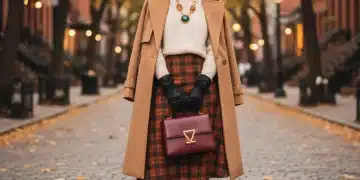
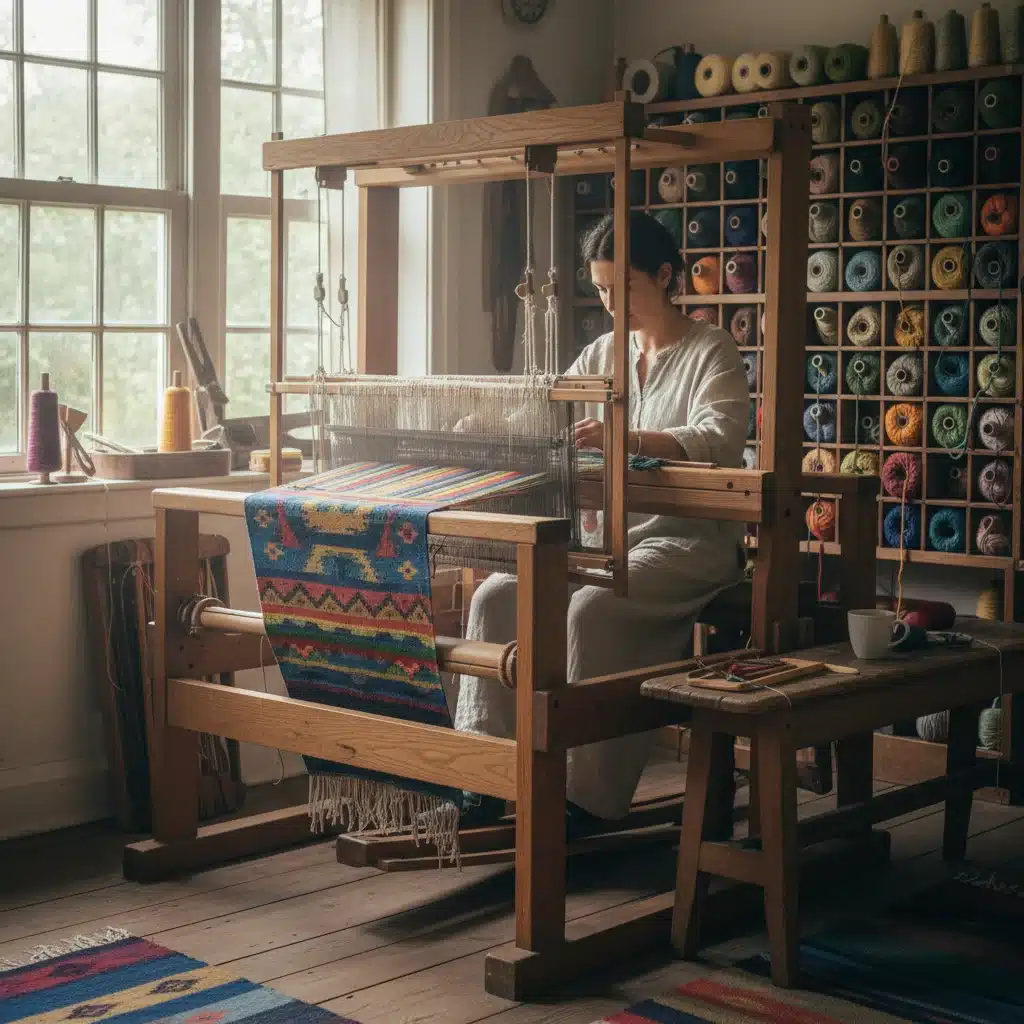
The art of hand-weaving is one of humanity’s oldest crafts, and it’s experiencing a magnificent renaissance. From the intricate ikat patterns of Indonesia to the rich tartans of Scotland and the delicate silks of India, hand-woven textiles represent a profound connection to cultural heritage and meticulous skill. Unlike machine-made fabrics, hand-woven textiles possess a unique texture, drape, and character that cannot be replicated. Each thread is placed with intention, creating subtle variations that make every meter of fabric distinct.
Investing in garments made from hand-woven textiles means acquiring pieces that are breathable, often more durable, and inherently sustainable. Many artisans use natural dyes derived from plants, further reducing environmental impact. For 2026, look for designers who are collaborating directly with weaving communities, creating modern silhouettes from these ancient fabrics. Think of flowing dresses in natural linen woven on traditional looms, structured jackets in hand-spun wool, or exquisite scarves that tell a story through their patterns. These pieces offer a luxurious feel and a timeless aesthetic, making them a prime artisanal fashion investment. They are not just clothes; they are wearable legacies, embodying centuries of skill and artistic expression.
2. Bespoke Leather Goods: Crafting Legacy, One Stitch at a Time
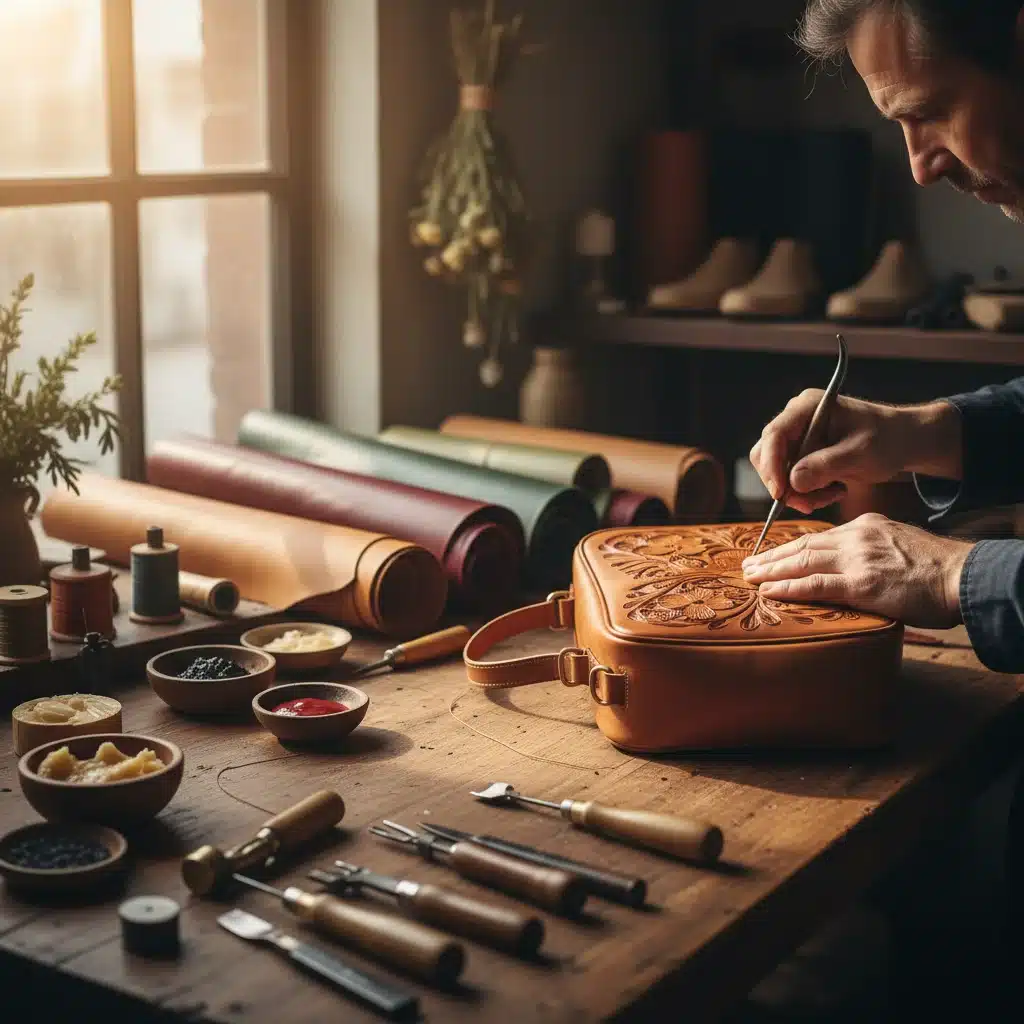
In an age of mass-produced accessories, bespoke leather goods stand as a testament to personal luxury and enduring quality. This category encompasses everything from meticulously crafted handbags and wallets to custom-made footwear and belts. The beauty of bespoke lies in its personalized nature – each item is made to order, often with direct input from the client regarding design, leather choice, and hardware. This collaborative process ensures a piece that perfectly aligns with individual needs and aesthetic preferences.
Artisans specializing in leatherwork often use traditional techniques such as hand-stitching (like saddle-stitching, known for its incredible strength), edge painting, and hand-burnishing. They select premium leathers from ethical tanneries, ensuring not only beauty but also durability and a beautiful patina that develops over time. A bespoke leather bag, for instance, isn’t just an accessory; it’s an heirloom. It’s designed to withstand daily use, aging gracefully and acquiring character with each passing year. For 2026, the demand for personalized, high-quality leather items that are built to last will only grow, making them a wise artisanal fashion investment. These pieces are not just functional; they are statements of discerning taste and a commitment to longevity.
3. Hand-Embroidered Apparel: Art Woven into Fabric
Embroidery, the art of decorating fabric or other materials with needle and thread, has been practiced for millennia across diverse cultures. Today, hand-embroidered apparel offers a unique blend of artistry, texture, and storytelling. From delicate floral motifs on silk blouses to bold, abstract patterns on denim jackets, hand embroidery transforms a simple garment into a work of art. Each stitch is a testament to the embroiderer’s skill, patience, and creative vision.
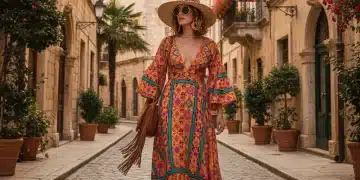
What makes hand-embroidered pieces a significant artisanal fashion investment for 2026 is their unparalleled individuality and the sheer labor involved. Unlike machine embroidery, which is uniform and often lacks depth, hand embroidery possesses a tactile quality and subtle irregularities that give it character. It’s also a powerful way to preserve cultural techniques; many communities use specific embroidery styles to convey narratives, symbols, and traditions. Seek out designers who champion these skills, offering garments where embroidery is not just an embellishment but an integral part of the design. These pieces are not only beautiful but also carry the weight of history and human connection, making them truly special additions to any wardrobe. The intricate details and bespoke feel elevate everyday wear into something extraordinary.
4. Artisan Jewelry: Wearable Sculptures with Soul
Beyond mass-produced trinkets, artisan jewelry offers a world of unique, handcrafted adornments that are miniature sculptures. Crafted by skilled jewelers who often work independently or in small studios, these pieces are characterized by their distinctive designs, use of unusual materials, and impeccable craftsmanship. From ethically sourced gemstones set in unique, hand-forged metals to intricate beadwork and innovative material combinations, artisan jewelry breaks away from conventional norms.
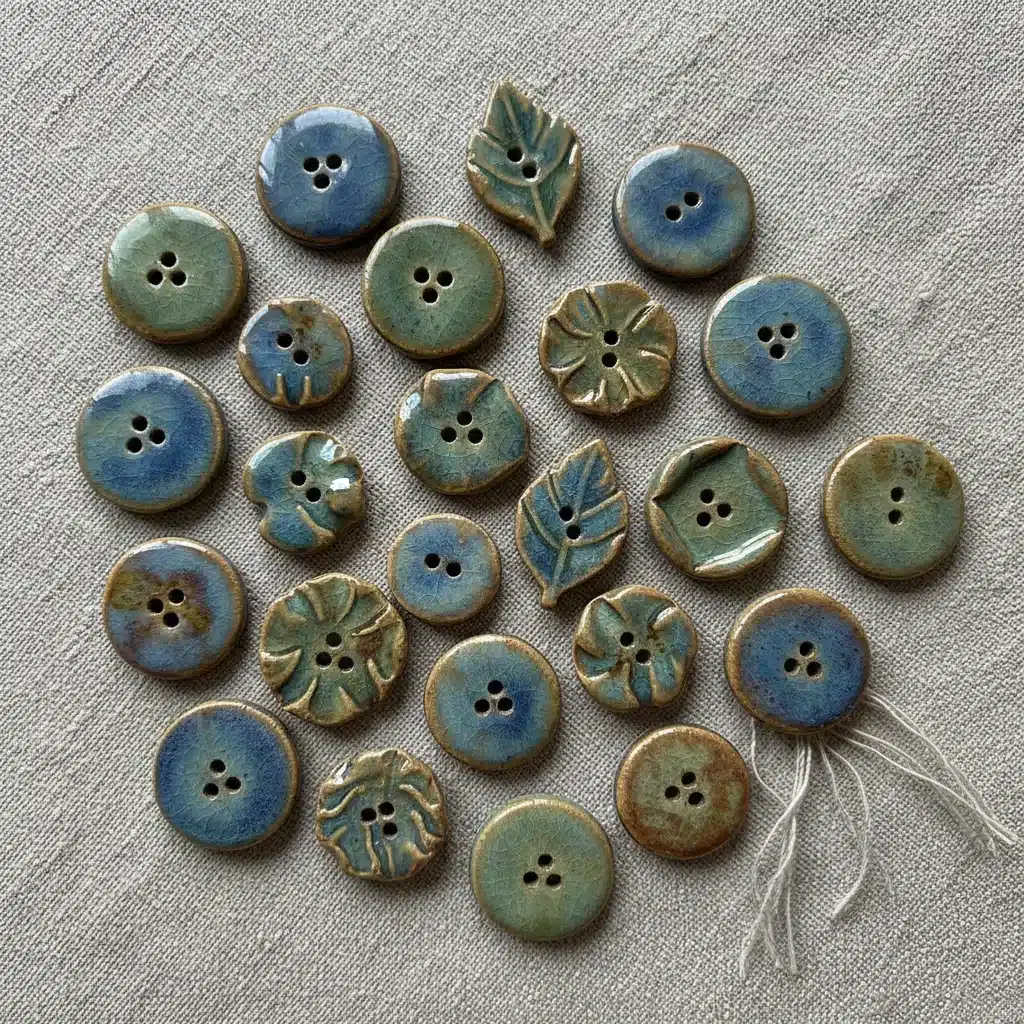
Investing in artisan jewelry means acquiring pieces that are not only beautiful but also hold intrinsic value due to the skill and time invested in their creation. Many artisan jewelers prioritize sustainable practices, using recycled metals and conflict-free stones. Each piece tells a story, often reflecting the maker’s personal journey, cultural influences, or artistic philosophy. For 2026, look for bold, sculptural designs, pieces that incorporate natural elements, or those that blend traditional techniques with contemporary aesthetics. These aren’t just accessories; they are conversation starters, personal talismans, and true works of art that can be passed down through generations. An artisanal fashion investment in jewelry is an investment in personal expression and enduring beauty.
5. Hand-Knitted and Crocheted Wear: The Warmth of Human Touch
The comforting embrace of a hand-knitted sweater or a delicately crocheted top is unmatched by any machine-made equivalent. Hand-knitting and crocheting are ancient crafts that are experiencing a powerful revival, driven by a desire for unique textures, sustainable practices, and the undeniable warmth of human connection. Each loop and stitch is a testament to the maker’s patience and skill, resulting in garments that are not only beautiful but also incredibly durable and comfortable.
Artisans working with yarn often select high-quality natural fibers like merino wool, cashmere, alpaca, organic cotton, or linen, chosen for their softness, warmth, and breathability. The variations in tension and stitch patterns create a unique tactile experience that mass-produced knitwear simply cannot replicate. For 2026, seek out chunky hand-knitted cardigans, intricate lace-crocheted tops, or beautifully textured scarves. These pieces offer a sense of coziness, luxury, and individuality. They are perfect for those who appreciate slow fashion and want to invest in items that feel personal and handcrafted. A hand-knitted piece is more than just clothing; it’s a hug made tangible, a true artisanal fashion investment that brings comfort and style.
6. Upcycled and Reconstructed Garments: New Life, New Art
In the pursuit of sustainability and unique expression, upcycled and reconstructed garments are emerging as a powerful category within artisanal fashion. This approach involves taking existing clothing or textiles – often vintage or discarded – and transforming them into entirely new, fashionable pieces. This could range from deconstructing several garments to create one unique item, to hand-painting, embroidering, or altering existing pieces to give them a fresh identity.
The beauty of upcycled fashion lies in its inherent uniqueness and environmental consciousness. Each piece is a one-of-a-kind creation, bearing the marks of its previous life while being reimagined with a contemporary vision. Artisans in this field demonstrate incredible creativity and skill, turning what might be considered waste into wearable art. For 2026, the demand for sustainable and original fashion will continue to surge, making upcycled garments a smart artisanal fashion investment. Look for designers who masterfully blend different textures and patterns, or those who use traditional craft techniques to elevate pre-existing materials. These pieces are not just fashionable; they are a statement against consumerism, celebrating ingenuity and resourcefulness.
7. Hand-Painted and Hand-Printed Textiles: Wearable Canvases
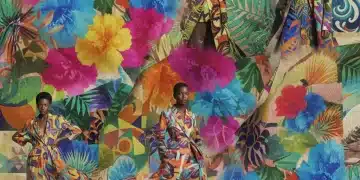
The human touch in textile decoration creates a depth and vibrancy that machine printing cannot replicate. Hand-painted and hand-printed textiles transform fabric into a wearable canvas, allowing artists to express their vision directly onto garments. Techniques range from intricate hand-painting with fabric dyes to traditional block printing, screen printing, and even resist dyeing methods like batik or shibori.
What makes these textiles a valuable artisanal fashion investment is their artistic merit and individuality. Each brushstroke or block impression carries the unique signature of the artist, resulting in patterns that possess subtle variations and a rich, organic feel. These pieces often feature bespoke designs, limited editions, or custom colorways that make them truly exclusive. For 2026, expect to see a growing appreciation for garments that showcase bold, artistic expressions on fabric. Whether it’s a flowing silk scarf with a hand-painted motif, a linen dress with unique block prints, or a jacket featuring abstract hand-dyed patterns, these items are perfect for those who view fashion as an extension of art. They are not just clothes; they are expressions of creativity, making them a vibrant artisanal fashion investment.
Making Your Artisanal Fashion Investment: Tips for the Discerning Buyer
Embarking on a journey to invest in artisanal fashion requires a thoughtful approach. Here are some tips to ensure you make choices that you’ll cherish for years to come:
- Research the Artisan/Brand: Learn about the maker’s philosophy, their sourcing practices, and the techniques they employ. A transparent brand often signifies ethical practices and quality.
- Understand the Materials: Familiarize yourself with different natural fibers, leathers, and metals. Knowledge of materials helps you appreciate the quality and care required for each piece.
- Prioritize Timelessness Over Trends: While artisanal pieces can be contemporary, their true value lies in their ability to transcend fleeting trends. Choose designs that resonate with your personal style and will remain relevant for years.
- Inspect the Craftsmanship: Look for indicators of quality: even stitching, neat finishes, well-matched patterns, and sturdy construction. These details speak volumes about the artisan’s skill.
- Consider the Story: The narrative behind a piece – its cultural origin, the artisan’s journey, the materials’ provenance – adds immense value. This story enriches your connection to the item.
- Care for Your Investment: Artisanal pieces often require specific care. Follow instructions for cleaning and storage to ensure their longevity and preserve their beauty.
- Be Prepared for a Higher Price Point: The cost reflects the time, skill, and quality of materials involved. View it as an investment in a unique, durable, and ethically made item, rather than just a purchase.
The Future is Handcrafted: Embracing Artisanal Fashion
As we navigate towards 2026 and beyond, the fashion landscape is undoubtedly shifting. The desire for authenticity, sustainability, and individuality is no longer a niche concern but a mainstream imperative. Artisanal fashion stands at the forefront of this movement, offering a compelling alternative to the disposable culture that has long dominated the industry. By choosing to make an artisanal fashion investment, you are not just acquiring beautiful, high-quality items; you are participating in a larger movement that values human skill, ethical production, and environmental responsibility. You are supporting artists and craftspeople, helping to preserve ancient traditions, and investing in a more sustainable and meaningful future for fashion.
The seven discoveries outlined – hand-woven textiles, bespoke leather goods, hand-embroidered apparel, artisan jewelry, hand-knitted wear, upcycled garments, and hand-painted textiles – represent diverse facets of this rich and evolving world of craftsmanship. Each category offers a unique opportunity to infuse your wardrobe with soul, story, and unparalleled quality. These aren’t just purchases; they are thoughtful contributions to a more conscious way of living and dressing. Embrace the beauty of the handmade, and discover the lasting joy and value that true craftsmanship brings to your personal style. Your wardrobe, and the planet, will thank you for it.