Your 2026 Guide to Sustainable Fashion Shopping: Save Money and the Planet
Welcome to the future of fashion! As we step into 2026, the conversation around how we consume clothing has dramatically evolved. No longer a niche concept, sustainable fashion shopping has become a mainstream imperative, driven by growing environmental awareness, ethical concerns, and a collective desire for more mindful living. This comprehensive guide will equip you with the knowledge and strategies to navigate the exciting world of sustainable fashion, helping you make choices that benefit both your wallet and the planet. We’ll delve into everything from understanding eco-labels to mastering the art of second-hand sourcing, ensuring your wardrobe is both stylish and responsible.
The fashion industry’s impact on the environment is undeniable. From excessive water usage in cotton cultivation to the chemical pollution from dyeing processes and the massive waste generated by fast fashion’s ‘take-make-dispose’ model, the statistics are sobering. However, the good news is that change is happening. Consumers are increasingly demanding transparency, ethical production, and environmentally friendly practices from brands. This shift has paved the way for innovative solutions and a burgeoning market for sustainable alternatives. By embracing sustainable fashion shopping, you’re not just buying clothes; you’re investing in a better future, supporting responsible businesses, and actively reducing your ecological footprint.
Beyond the environmental benefits, adopting a sustainable approach to your wardrobe can also lead to significant financial savings. Fast fashion, with its endless cycles of trends and often poor quality, can trick us into constant purchasing. Sustainable choices, on the other hand, often emphasize quality, longevity, and timelessness, meaning you buy less but buy better. This guide will show you how to identify high-quality garments, make smart investments, and even discover affordable sustainable options that won’t break the bank. Get ready to transform your shopping habits and build a wardrobe you can truly be proud of in 2026!
Advertisements
Understanding the Core Principles of Sustainable Fashion Shopping in 2026
Before diving into practical tips, it’s crucial to grasp the foundational principles that define sustainable fashion shopping. These principles guide our decisions and help us discern truly ethical and eco-friendly options from ‘greenwashing’ – a marketing tactic used by some companies to appear more sustainable than they are. In 2026, these concepts are more refined and accessible than ever before.
Ethical Production and Fair Labor
At the heart of sustainable fashion is the commitment to ethical production. This means ensuring that everyone involved in the supply chain, from farmers who grow raw materials to factory workers who sew garments, is treated fairly, paid a living wage, and works in safe conditions. Look for certifications like Fair Trade, SA8000, or brands that are transparent about their supply chain and labor practices. A truly sustainable garment shouldn’t come at the cost of human exploitation. Understanding a brand’s commitment to its workers is a cornerstone of responsible sustainable fashion shopping.
Environmental Impact: Materials and Processes
The environmental footprint of a garment is determined by its materials and the processes used to create it. When engaging in sustainable fashion shopping, prioritize natural, organic, recycled, or innovative materials. Organic cotton, linen, hemp, Tencel (lyocell), modal, and recycled polyester or nylon are excellent choices. Avoid virgin synthetic fibers where possible, as they are derived from fossil fuels and contribute to microplastic pollution. Furthermore, consider brands that use eco-friendly dyeing techniques, minimize water and energy consumption, and manage waste responsibly. Brands that openly share their environmental impact assessments or have certifications like GOTS (Global Organic Textile Standard) are often good indicators.
Longevity and Quality
One of the simplest yet most effective ways to make your wardrobe more sustainable is to choose items that are built to last. Fast fashion’s disposable nature leads to enormous waste. When you focus on quality, you invest in garments that withstand wear and tear, reducing the need for frequent replacements. This is a core tenet of sustainable fashion shopping. Examine seams, fabric density, and construction. A well-made garment might cost more upfront, but its extended lifespan offers significant savings and environmental benefits in the long run. Think of it as an investment in durability and timeless style.
Circularity and End-of-Life Solutions
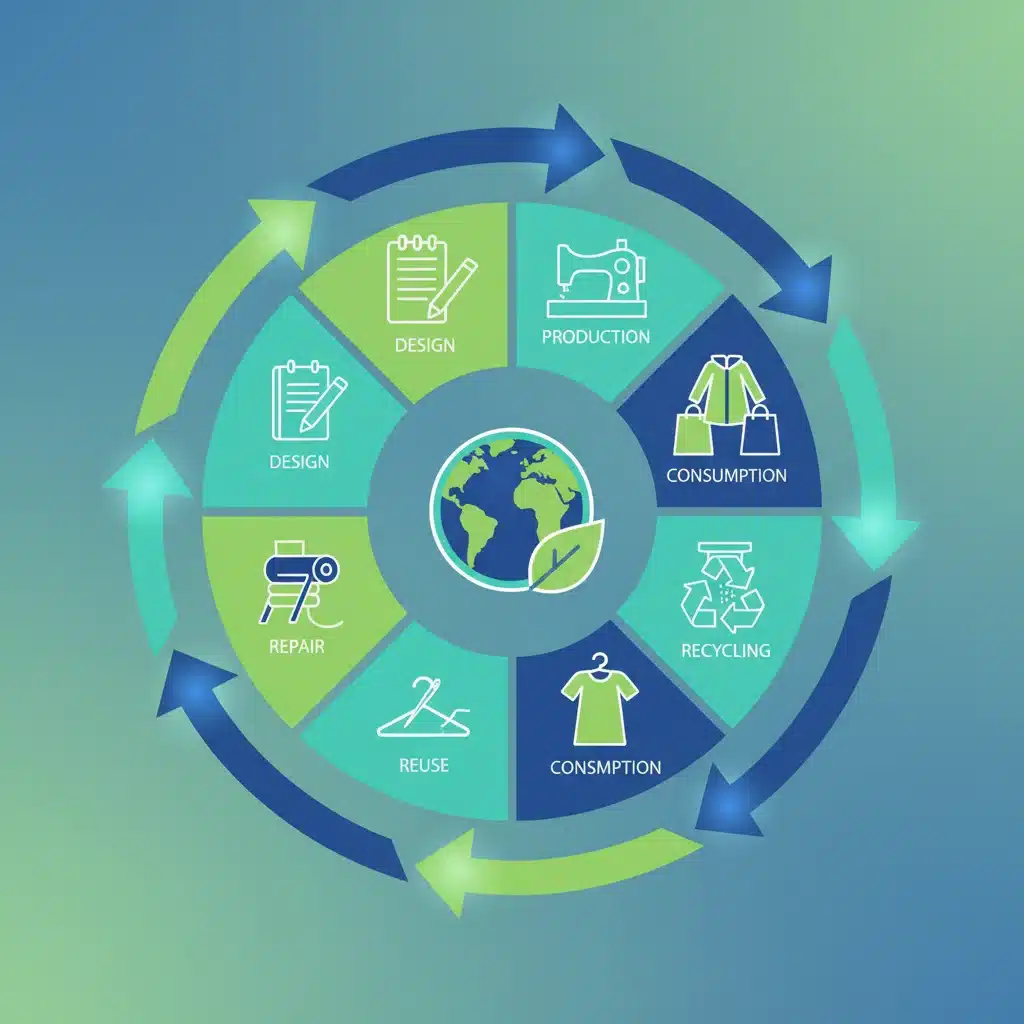
The concept of a circular economy is gaining significant traction in fashion. Instead of a linear ‘take-make-dispose’ model, circular fashion aims to keep resources in use for as long as possible. This involves designing products for durability, reuse, repair, and eventual recycling. Brands that offer repair services, take-back programs for old clothes, or use materials that can be easily recycled back into new textiles are leading the way. When you engage in sustainable fashion shopping, consider what happens to the garment after you’re done with it. Can it be repaired? Can it be resold? Can it be recycled?
Your 2026 Toolkit for Smart Sustainable Fashion Shopping
Now that we’ve covered the principles, let’s dive into actionable strategies for your 2026 sustainable fashion shopping journey. These tips will help you build a stylish, ethical, and budget-friendly wardrobe.
1. Embrace Second-Hand and Vintage Shopping
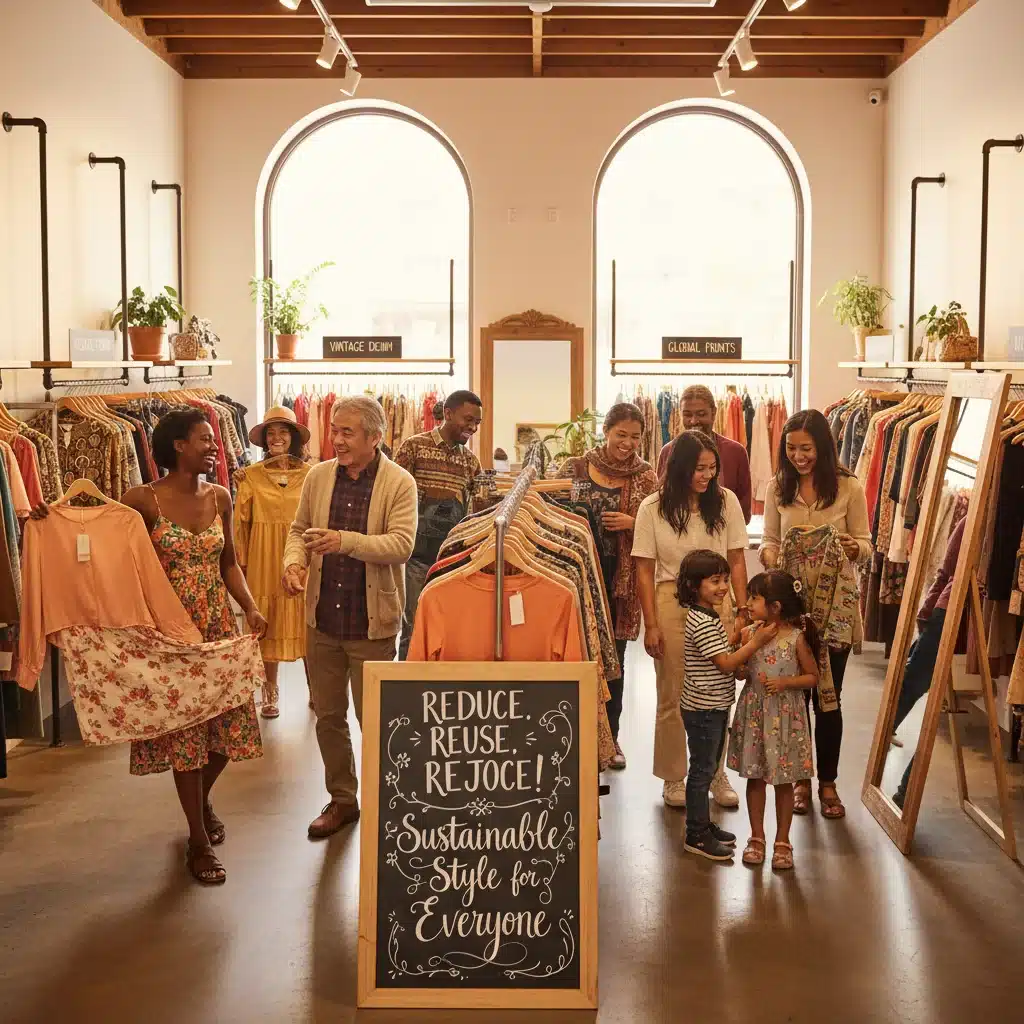
The most impactful way to practice sustainable fashion shopping is to buy pre-loved clothes. This extends the life of existing garments, reduces demand for new production, and keeps textiles out of landfills. The second-hand market has exploded, offering incredible variety and affordability.
- Online Marketplaces: Platforms like ThredUp, Poshmark, Depop, and Vestiaire Collective (for luxury) offer vast selections that you can browse from home.
- Local Thrift Stores and Consignment Shops: These are treasure troves for unique finds and often support local charities. Don’t underestimate the joy of a good thrift hunt!
- Vintage Boutiques: For unique, high-quality pieces with character, vintage stores are unparalleled.
- Clothing Swaps: Organize or join local clothing swap events with friends or community groups. It’s a fun, free, and social way to refresh your wardrobe.
When shopping second-hand, inspect items carefully for damage, wash them thoroughly, and be open to minor alterations. A little creativity can transform a pre-loved piece into a wardrobe staple.
2. Prioritize Quality Over Quantity: The Capsule Wardrobe Approach
Instead of chasing fleeting trends, focus on building a versatile capsule wardrobe composed of high-quality, timeless pieces. This approach to sustainable fashion shopping minimizes impulse buys and ensures your clothes mix and match effortlessly.
- Identify Your Style: Understand what colors, silhouettes, and fabrics make you feel best.
- Invest in Staples: Focus on well-made basics like a classic trench coat, a versatile pair of jeans, quality knitwear, and durable footwear.
- Choose Versatile Pieces: Opt for items that can be dressed up or down and worn across multiple seasons.
- Care for Your Clothes: Proper garment care (washing according to instructions, repairing small damages) significantly extends the life of your clothes.
By buying fewer, better items, you reduce overall consumption and the environmental impact associated with new production. This is a powerful form of sustainable fashion shopping that saves money in the long run.
3. Research Brands and Look for Certifications
In 2026, brand transparency is paramount. Don’t just take a brand’s word for it; do your homework. Many resources are available to help you identify truly sustainable and ethical brands.
- Good On You: This app and website rate thousands of fashion brands based on their impact on people, the planet, and animals. It’s an invaluable tool for informed sustainable fashion shopping.
- Certifications: Look for recognized certifications on product labels or brand websites. Key certifications include:
- GOTS (Global Organic Textile Standard): Ensures organic status of textiles from harvesting of raw materials through environmentally and socially responsible manufacturing.
- Fair Trade Certified: Guarantees fair wages, safe working conditions, and community development for producers.
- Bluesign: Focuses on sustainable textile production, eliminating harmful substances from the beginning of the manufacturing process.
- OEKO-TEX Standard 100: Certifies that textiles are free from harmful substances.
- Brand Websites and Impact Reports: Reputable sustainable brands will have dedicated sections on their websites detailing their sustainability initiatives, supply chain, and impact reports. Dig deep into these resources when engaging in sustainable fashion shopping.
4. Prioritize Sustainable Materials
The choice of material significantly impacts a garment’s environmental footprint. Make informed decisions when choosing fabrics for your sustainable fashion shopping.
- Natural & Organic Fibers:
- Organic Cotton: Grown without synthetic pesticides and fertilizers, reducing water pollution and promoting soil health.
- Linen & Hemp: Highly durable, require less water and pesticides than conventional cotton, and grow quickly.
- Wool (Ethically Sourced): Durable, breathable, and naturally regulates temperature. Look for RWS (Responsible Wool Standard) certification.
- Regenerated & Innovative Fibers:
- Tencel™ Lyocell & Modal: Derived from sustainably managed wood sources using a closed-loop production process that recycles water and solvents.
- Piñatex (Pineapple Leather): A natural, non-woven material made from pineapple leaf fibers, offering a vegan leather alternative.
- Recycled Materials: Recycled polyester (rPET) and recycled nylon divert plastic waste from landfills and oceans, though they still release microplastics.
- Avoid: Conventional cotton (high water/pesticide use), virgin polyester/nylon (fossil fuel-derived, microplastics), conventional rayon/viscose (deforestation, chemical pollution unless certified sustainable).
5. Support Local and Small Businesses
Shopping from local designers and small businesses often means supporting more ethical production practices, reducing transportation emissions, and fostering community. These businesses frequently have smaller production runs, use locally sourced materials, and maintain closer relationships with their artisans. This direct connection often translates to greater transparency and a more authentic approach to sustainable fashion shopping.
6. Embrace Repair, Repurpose, and Upcycle
The most sustainable garment is the one you already own. Before buying new, consider if an existing item can be repaired, repurposed, or upcycled. This aligns perfectly with the circular economy principles of sustainable fashion shopping.
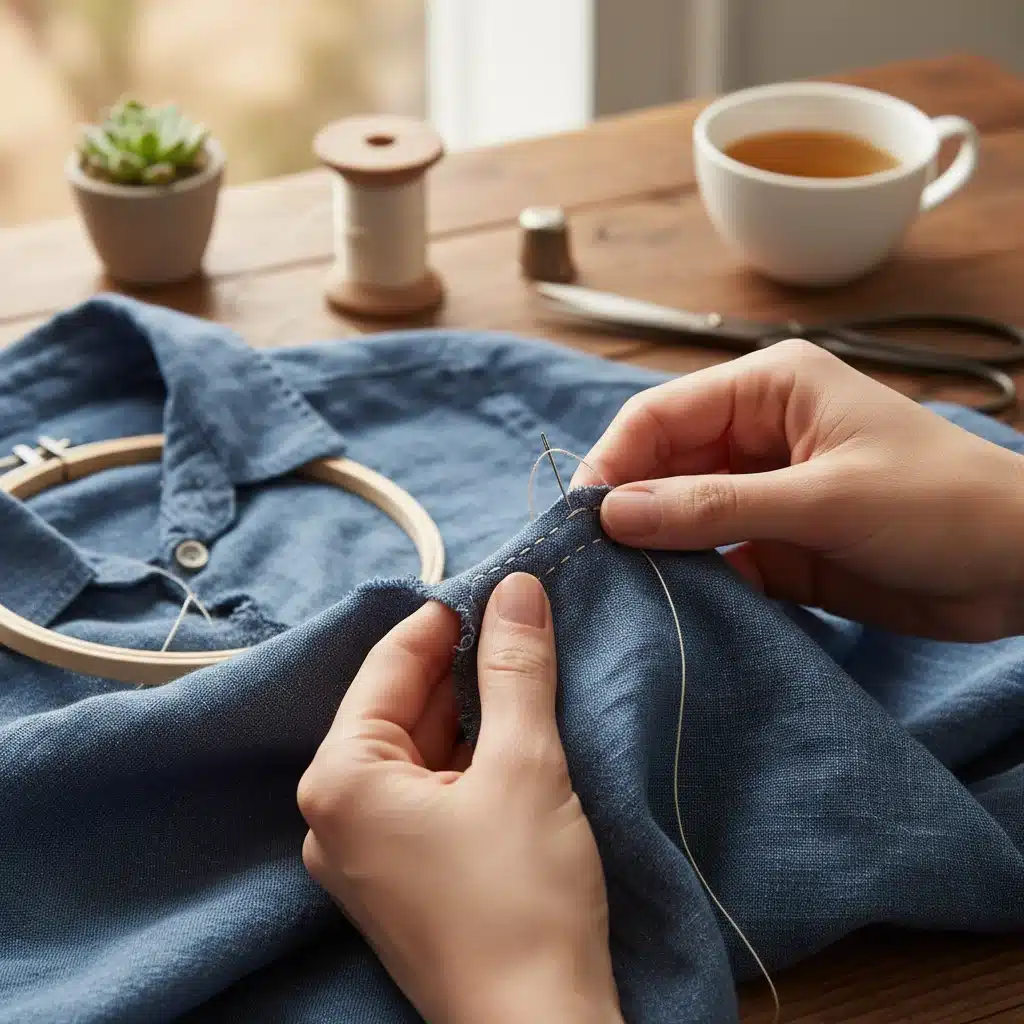
- Repair: Learn basic mending skills (sewing on a button, patching a hole) or take items to a tailor. Extending the life of a garment by even a few months significantly reduces its environmental impact.
- Repurpose: Turn old jeans into shorts, a worn-out T-shirt into cleaning rags, or a dress into a skirt. Get creative!
- Upcycle: Transform an old garment into something new and fashionable with a bit of creativity – dyeing, embellishing, or redesigning.
7. Rent or Borrow for Special Occasions
Do you really need to buy a new outfit for every wedding or formal event? Rental services for formal wear and even everyday designer clothing are booming. This is an excellent way to enjoy variety without the environmental impact or cost of purchasing new items. Platforms like Rent the Runway or local rental boutiques offer stylish options for temporary needs, making sustainable fashion shopping accessible for every occasion.
The Economic Benefits of Sustainable Fashion Shopping
While the environmental and ethical reasons for adopting sustainable fashion shopping are compelling, the financial benefits are equally significant. Many people mistakenly believe that sustainable fashion is inherently more expensive, but this isn’t always the case, especially when considering the long-term view.
Reduced Overall Spending
Fast fashion encourages impulsive, frequent purchases. The low price point makes it easy to accumulate a large wardrobe of items that may not last or truly reflect your style. By shifting to sustainable fashion shopping, you naturally gravitate towards buying fewer, higher-quality items. This means fewer trips to the mall, less browsing online, and ultimately, a significant reduction in your overall clothing budget over time. You’re investing in pieces that will serve you for years, rather than months.
Investment in Quality Pays Off
A high-quality, sustainably made garment might have a higher initial price tag than its fast-fashion counterpart. However, its durability means you won’t need to replace it as often. Consider the cost-per-wear: a $20 fast-fashion top worn 5 times costs $4 per wear, while a $100 sustainable top worn 100 times costs $1 per wear. The sustainable option, despite its higher upfront cost, offers better value and savings over its lifespan. This is a crucial aspect of smart sustainable fashion shopping.
Value from Second-Hand Market
The second-hand market is a goldmine for budget-conscious sustainable shoppers. You can find designer brands, vintage gems, and perfectly good everyday wear at a fraction of their original price. This allows you to access quality items and unique styles without contributing to new production, making it an incredibly cost-effective form of sustainable fashion shopping. The thrill of finding a bargain while being eco-friendly is a powerful motivator.
Reduced Need for Replacements
When you choose durable materials and well-constructed garments, you’ll spend less on replacing worn-out items. This also means less time spent shopping, freeing up your valuable hours for other activities. The focus on longevity inherent in sustainable fashion shopping directly translates to fewer emergency purchases and a more stable clothing budget.
DIY and Repair Savings
Embracing repair and repurposing skills directly saves you money. Instead of discarding a garment with a minor flaw, you can fix it yourself or pay a small fee to a tailor, extending its life and avoiding the cost of a new purchase. This DIY mindset is a fundamental part of the economic benefits derived from sustainable fashion shopping.
Looking Ahead: The Future of Sustainable Fashion Shopping Beyond 2026
The landscape of sustainable fashion shopping is constantly evolving. Beyond 2026, we can expect even more exciting innovations and shifts in consumer behavior and industry practices.
Technological Advancements
New technologies will continue to drive sustainability. We’ll see further development in bio-fabricated materials (like mycelium leather grown from fungi or spider silk), advanced recycling techniques that can efficiently break down textile waste, and AI-powered tools that optimize supply chains for efficiency and reduced waste. Digital fashion and virtual try-ons may also reduce the need for physical samples and returns, further minimizing environmental impact.
Increased Transparency and Traceability
Consumers will demand even greater transparency from brands. Blockchain technology and other digital tools will make it easier to trace a garment’s journey from raw material to finished product, verifying ethical and environmental claims. This will empower consumers to make truly informed decisions when engaging in sustainable fashion shopping.
Mainstreaming of Circular Models
Rental, resale, and repair services will become even more integrated into the fashion ecosystem. Brands will increasingly offer these services directly, making it easier for consumers to participate in a circular economy. The concept of ‘ownership’ might shift, with more people opting for access over acquisition, especially for high-value or occasional-wear items. This mainstreaming of circularity will redefine sustainable fashion shopping for future generations.
Policy and Regulatory Changes
Governments worldwide are likely to implement stricter regulations on fashion production, waste management, and labeling. This will push brands to adopt more sustainable practices, from reducing chemical use to ensuring fair labor standards. Such policies will create a more level playing field for sustainable brands and further incentivize responsible sustainable fashion shopping.
Conclusion: Your Role in Shaping a Sustainable Fashion Future
The journey towards a fully sustainable fashion industry is ongoing, and as consumers, we hold immense power to accelerate this change. By adopting the principles and practices of sustainable fashion shopping outlined in this 2026 guide, you are not just making personal choices; you are sending a clear message to brands and manufacturers about the kind of future you want to see.
Remember, sustainability isn’t about perfection; it’s about progress. Start small, make conscious choices, and continuously learn. Whether it’s choosing one second-hand item instead of new, repairing a beloved garment, or researching a brand before purchasing, every step counts. Your wardrobe can be a powerful statement of your values – a testament to style, ethics, and environmental responsibility.
In 2026 and beyond, let your fashion choices reflect your commitment to a healthier planet and a fairer society. Embrace the joy of mindful consumption, discover unique pieces, and feel good knowing that your sustainable fashion shopping habits are contributing to a brighter, more sustainable future for everyone.