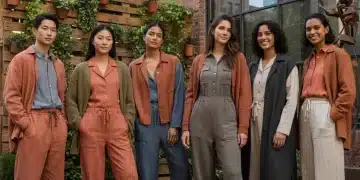
Sustainable Style: 3 Outfit Ideas for a Conscious Wardrobe in 2026
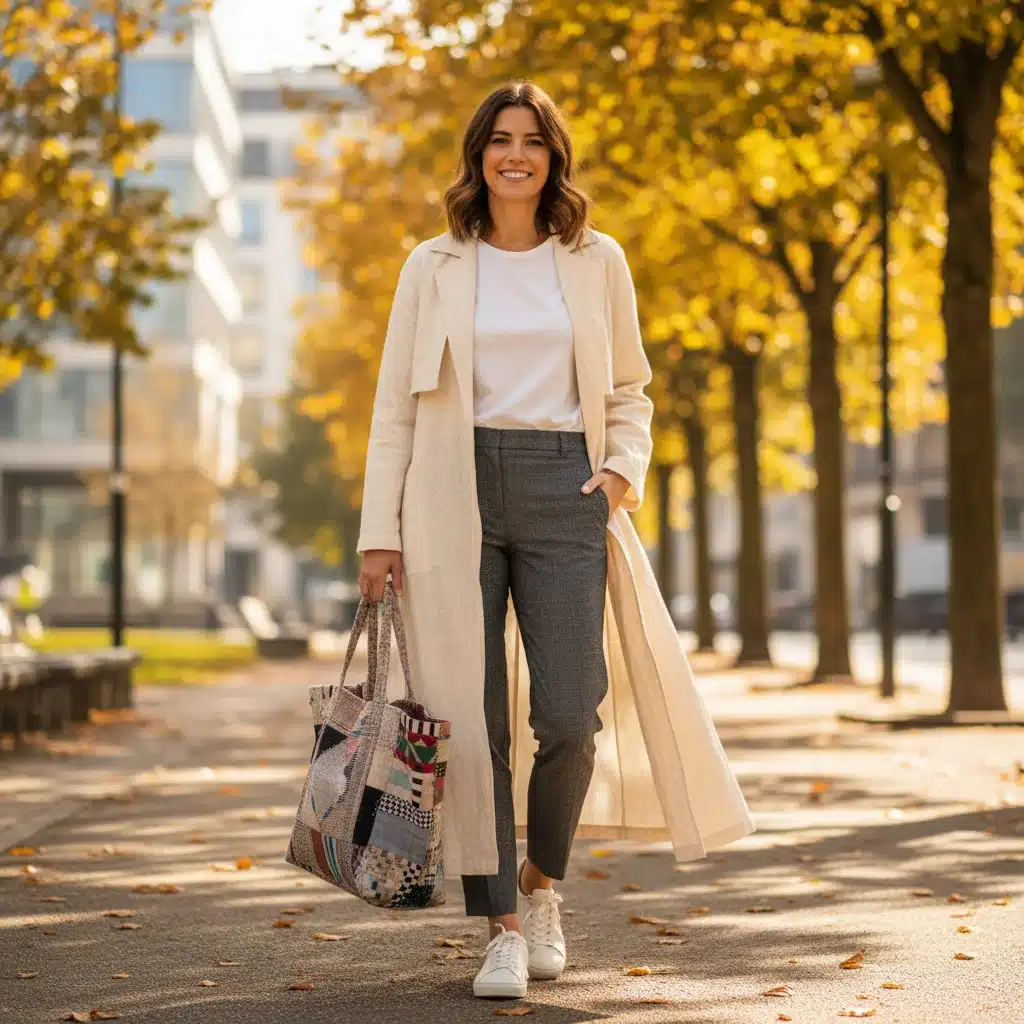
Sustainable Style: 3 Outfit Ideas for a Conscious Wardrobe in 2026
In an increasingly fast-paced world, the fashion industry has often been criticized for its environmental impact and ethical shortcomings. However, a growing movement towards conscious wardrobe ideas is reshaping how we approach our personal style. As we look ahead to 2026, the emphasis on sustainability, longevity, and ethical production is not just a trend but a fundamental shift in values. Building a conscious wardrobe ideas means making intentional choices about what we buy, how we wear it, and how we care for our clothes. It’s about investing in pieces that last, reducing waste, and supporting brands that align with our values. This article will delve into three inspiring outfit ideas that embody the spirit of sustainable style, offering practical ways to elevate your look while minimizing your ecological footprint.
Embracing sustainable fashion principles goes beyond simply buying eco-friendly brands. It involves a holistic approach to consumption, from understanding material sourcing to extending the lifespan of your garments. A truly conscious wardrobe ideas strategy encourages mindful shopping, advocating for quality over quantity, and prioritizing versatility. Imagine a wardrobe where every item serves multiple purposes, where garments are cherished and repaired rather than discarded, and where your personal style reflects a deep respect for both people and planet. This vision for 2026 is not only achievable but also incredibly rewarding, allowing you to express your individuality with integrity and purpose.
The Foundation of a Conscious Wardrobe: Why It Matters in 2026
Before diving into specific outfit ideas, let’s explore why building a conscious wardrobe ideas is more critical than ever in 2026. The environmental footprint of the fashion industry is staggering, contributing to water pollution, massive textile waste, and significant carbon emissions. Fast fashion, with its rapid production cycles and disposable garments, exacerbates these issues. Conversely, a conscious approach aims to mitigate these impacts by promoting practices such as:
Advertisements
- Reduced Consumption: Buying fewer, higher-quality items.
- Ethical Production: Supporting brands that ensure fair labor practices and safe working conditions.
- Sustainable Materials: Opting for organic, recycled, upcycled, or innovative low-impact fabrics.
- Longevity and Durability: Choosing clothes designed to last and be repaired.
- Circular Economy Principles: Embracing recycling, resale, and repair to keep materials in use.
By adopting these principles, you’re not just curating a stylish wardrobe; you’re actively participating in a global movement towards a more sustainable future. A conscious wardrobe ideas isn’t about sacrificing style; it’s about refining it with intention and purpose. It’s about understanding the story behind your clothes and making choices that resonate with your values. In 2026, consumers are increasingly demanding transparency and accountability from brands, pushing the industry towards more responsible practices. This shift empowers individuals to make a real difference through their purchasing power, transforming fashion into a force for good.
Understanding Sustainable Materials: The Core of Conscious Choices
The choice of materials is perhaps the most fundamental aspect when building a conscious wardrobe ideas. In 2026, innovations in textile technology are making it easier than ever to select eco-friendly options. Here are some key materials to look for:
- Organic Cotton: Grown without harmful pesticides or synthetic fertilizers, reducing water pollution and protecting soil health.
- Recycled Polyester (rPET): Made from recycled plastic bottles, diverting waste from landfills and reducing reliance on virgin fossil fuels.
- Tencel/Lyocell: A sustainable fiber made from wood pulp, produced in a closed-loop system that recycles water and solvents.
- Linen: A durable and breathable fabric derived from flax plants, requiring less water and pesticides than cotton.
- Hemp: A highly sustainable crop that grows quickly, requires minimal water, and improves soil health.
- Responsible Wool & Cashmere: Sourced from farms that prioritize animal welfare and sustainable land management.
- Innovative Materials: Such as Pinatex (pineapple leaf leather), mushroom leather, or fabrics made from algae, offering exciting new alternatives.
Educating yourself about these materials empowers you to make informed decisions and truly build a conscious wardrobe ideas. It’s not just about what something looks like, but what it’s made of and how it impacts the planet. By prioritizing these materials, you contribute to a cleaner, healthier environment and support a more ethical supply chain. This deep dive into material science is a cornerstone of modern sustainable fashion, allowing for choices that are both stylish and environmentally responsible.
Outfit Idea 1: The Versatile Urban Explorer
Our first outfit idea for a conscious wardrobe ideas in 2026 focuses on versatility, comfort, and urban sophistication, perfect for the modern individual navigating city life with an eco-conscious mindset. This look is built on foundational pieces that can be mixed and matched, minimizing the need for excessive clothing items and maximizing wearability.
Key Pieces:
- The Organic Cotton & Hemp Blend Jumpsuit: A one-piece wonder that is both stylish and incredibly comfortable. Choose a neutral color like olive green, charcoal, or classic navy. The blend ensures durability and breathability, making it suitable for various seasons. This jumpsuit can be dressed up or down with accessories, serving as a cornerstone of your conscious wardrobe ideas.
- Upcycled Denim Jacket: A timeless classic, an upcycled denim jacket adds a layer of casual cool. Look for brands that repurpose existing denim, giving garments a second life and reducing textile waste. This piece instantly elevates the jumpsuit for cooler weather or adds a touch of edge.
- Ethically Made White Sneakers: Comfort is key for urban exploration. Opt for sneakers made from recycled materials, organic cotton canvas, or vegan leather. Brands focusing on transparent supply chains and fair wages are ideal. White sneakers are incredibly versatile and can pair with almost anything in a conscious wardrobe ideas.
- Multi-functional Tote Bag: A spacious tote made from recycled canvas, organic cotton, or innovative plant-based leathers. Choose one with internal pockets for organization. This bag isn’t just for carrying essentials; it’s a statement about your commitment to sustainable living, reducing the need for single-use bags.
- Accessories: Simple, ethically sourced jewelry (e.g., recycled silver or gold, conflict-free stones) and a pair of sunglasses made from recycled plastics or sustainable wood. These small touches complete the look without over-consuming.
Why This Outfit Works for a Conscious Wardrobe:
- High Versatility: Each piece can be worn in numerous combinations, extending its utility. The jumpsuit alone can be styled with different tops underneath, or a belt to change its silhouette.
- Sustainable Materials: Prioritizes organic, upcycled, and recycled fabrics.
- Durability: These items are chosen for their quality and ability to withstand frequent wear and washing.
- Timeless Appeal: The classic nature of a denim jacket and white sneakers ensures they won’t go out of style quickly, making them long-term investments in your conscious wardrobe ideas.
This outfit exemplifies how practical, everyday fashion can be deeply sustainable. It’s about building a collection of cherished pieces that work hard for you, reducing the constant need for new purchases. The Urban Explorer look is perfect for running errands, meeting friends for coffee, or even a casual day at a creative workplace, all while reflecting your commitment to a more responsible lifestyle.
Outfit Idea 2: The Elevated Minimalist for Professional Settings
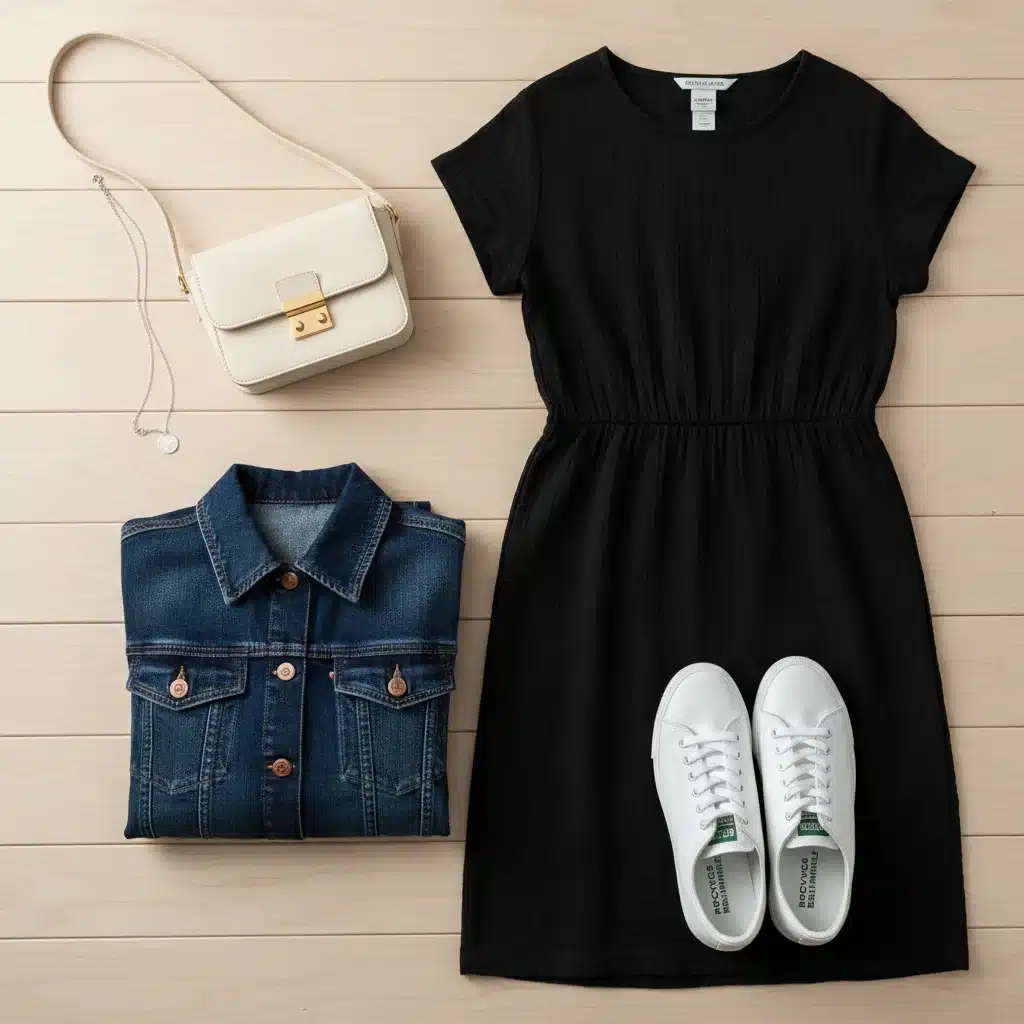
For those who navigate professional environments, a conscious wardrobe ideas doesn’t mean sacrificing sophistication. In 2026, professional attire can be both elegant and eco-friendly, focusing on clean lines, high-quality fabrics, and a minimalist aesthetic that transcends fleeting trends. This outfit is designed for impact and longevity, making it an excellent investment for your sustainable style journey.
Key Pieces:
- Tailored Tencel/Lyocell Blend Trousers: A pair of well-fitting, high-waisted trousers in a classic color like black, charcoal grey, or deep navy. Tencel offers a beautiful drape, wrinkle resistance, and a luxurious feel, making it perfect for professional wear. This material also boasts an environmentally responsible closed-loop production process, aligning perfectly with your conscious wardrobe ideas.
- Organic Silk or Cupro Blouse: A simple, elegant blouse in a complementary neutral or a subtle pattern. Organic silk is a luxurious, natural fiber, while Cupro (a regenerated cellulose fiber made from cotton linter) offers a similar silky feel with a more sustainable footprint. Both are breathable and comfortable, providing a refined touch to your ensemble.
- Recycled Wool or Cashmere Blazer: A structured blazer is a power piece in any professional wardrobe. Opt for one made from recycled wool or cashmere, which offers warmth, durability, and a sophisticated finish. A well-made blazer can last for years, making it a cornerstone of your conscious wardrobe ideas and a smart investment.
- Vegan Leather Loafers or Heels: Choose footwear made from innovative plant-based leathers (e.g., apple leather, grape leather) or high-quality recycled materials. Classic black or deep brown loafers offer comfort and timeless style, while a low block heel can add a touch of formality without compromising on ethical values.
- Timeless Accessories: A watch with a sustainably sourced strap, a minimalist handbag made from vegan leather or upcycled materials, and delicate, ethically sourced earrings. These accessories should complement the outfit without overpowering it, emphasizing understated elegance.
Why This Outfit Works for a Conscious Wardrobe:
- Professional Polish: Each item is selected for its quality and ability to create a polished, sophisticated look suitable for any business setting.
- Sustainable Luxury: Demonstrates that high-end fashion can also be eco-conscious, utilizing innovative and responsible materials.
- Interchangeable: The neutral palette and classic silhouettes mean these pieces can be easily interchanged with other items in your professional conscious wardrobe ideas, maximizing their utility.
- Durability and Investment: These are investment pieces designed to last, reducing the need for frequent replacements and supporting a buy-less-buy-better philosophy.
The Elevated Minimalist outfit proves that a conscious wardrobe ideas can seamlessly integrate into even the most demanding professional environments. It’s about choosing quality over quantity, investing in pieces that speak to your values, and presenting yourself with an air of thoughtful sophistication. This approach not only benefits the planet but also streamlines your morning routine, as every item is chosen for its versatility and timeless appeal.
Outfit Idea 3: The Relaxed Weekend Wanderer
Our final outfit idea for a conscious wardrobe ideas in 2026 embraces comfort and casual style, perfect for weekend adventures, leisurely strolls, or simply relaxing at home. This look focuses on breathable fabrics, relaxed silhouettes, and practical pieces that prioritize ease and sustainability. It’s about feeling good in what you wear, knowing it aligns with your eco-friendly values.
Key Pieces:
- Organic Cotton Wide-Leg Trousers or Jeans: A comfortable pair of wide-leg trousers made from organic cotton or a blend of organic cotton and hemp. Alternatively, a pair of responsibly produced, vintage-inspired organic cotton jeans. The relaxed fit offers maximum comfort, while the sustainable materials ensure a lighter environmental footprint. These are foundational to a comfortable and stylish conscious wardrobe ideas.
- Linen or Organic Cotton Oversized Shirt: A loose-fitting button-down shirt made from breathable linen or soft organic cotton. Choose a natural tone like ecru, light blue, or a subtle stripe. This shirt can be worn open over a tank top, tucked in, or tied at the waist, offering multiple styling options.
- Recycled Knit Sweater or Cardigan: For cooler weather, a cozy sweater or cardigan made from recycled wool, cotton, or a blend of sustainable fibers. This adds warmth and texture without compromising your commitment to a conscious wardrobe ideas. Look for chunky knits for a relaxed vibe or fine gauges for a more refined feel.
- Sustainable Sandals or Boots: Depending on the season, opt for comfortable sandals made from recycled rubber or vegan leather, or ethically produced ankle boots. Brands that focus on natural materials and fair labor practices are key. Comfort and durability are paramount for weekend wear.
- Practical Accessories: A canvas backpack made from organic cotton or recycled materials, a wide-brimmed hat for sun protection, and a reusable water bottle. These functional items reinforce a lifestyle of conscious consumption and preparedness.
Why This Outfit Works for a Conscious Wardrobe:
- Ultimate Comfort: Prioritizes soft, breathable fabrics and relaxed fits, perfect for unwinding.
- Natural Materials: Heavy reliance on organic cotton, linen, and recycled fibers, reducing synthetic material usage.
- Effortless Style: Achieves a chic, understated look without requiring extensive effort, embodying the ease of a conscious wardrobe ideas.
- Versatility for Leisure: Ideal for a variety of weekend activities, from farmers’ markets to nature walks, or simply enjoying a quiet day at home.
The Relaxed Weekend Wanderer demonstrates that sustainability and comfort can go hand-in-hand. It’s about creating a wardrobe that supports your downtime activities while remaining true to your values. These pieces are designed to be lived in, loved, and contribute to a feeling of ease and well-being. Building such a collection is a testament to the fact that a conscious wardrobe ideas is not about restriction, but about thoughtful liberation.
Beyond the Outfits: Nurturing Your Conscious Wardrobe
Creating these outfits is just the beginning. Maintaining a truly conscious wardrobe ideas involves ongoing practices that extend the life of your garments and further reduce your environmental impact. In 2026, the emphasis is not just on buying better, but on caring better. Here are some essential practices:
Embrace Repair and Upcycling
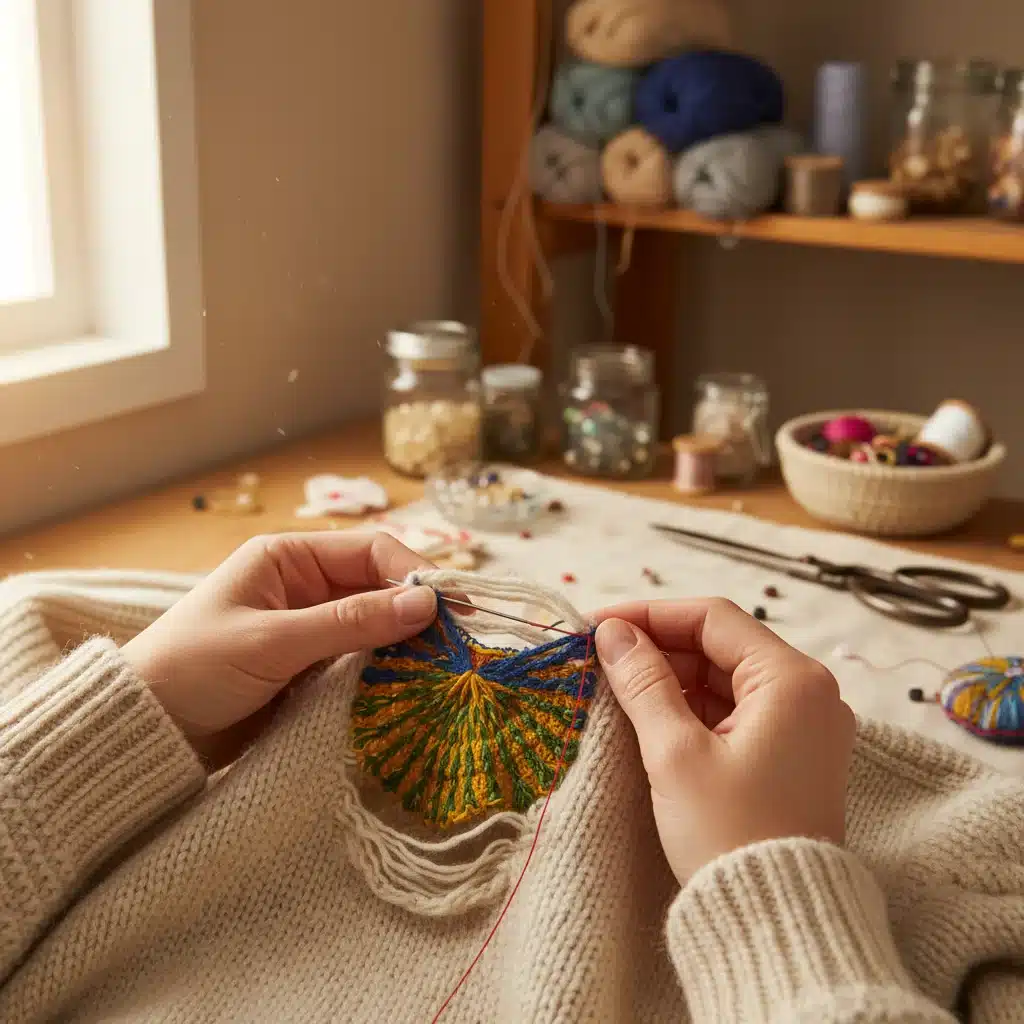
One of the most powerful ways to extend the life of your clothes is to repair them. A torn seam, a missing button, or a small hole doesn’t have to mean the end for a garment. Learning basic mending skills or utilizing local tailors can dramatically increase the lifespan of your wardrobe items. Visible mending, where repairs are celebrated rather than hidden, is a growing trend that adds character and a personal touch to your clothes. Upcycling, transforming old garments into new ones, is another creative way to keep textiles out of landfills and inject fresh life into your conscious wardrobe ideas. This practice fosters a deeper connection to your clothing, turning them into cherished possessions rather than disposable commodities.
Mindful Laundry Practices
How we wash our clothes significantly impacts their longevity and the environment. Adopt mindful laundry habits:
- Wash Less: Only wash clothes when necessary. Airing them out can often be enough.
- Use Cold Water: Saves energy and prevents colors from fading.
- Gentle Cycle: Reduces wear and tear on fabrics.
- Eco-Friendly Detergents: Choose biodegradable, non-toxic options.
- Air Dry: Saves energy and is gentler on clothes than machine drying.
- Use Guppyfriend Bags: For synthetic items, these bags catch microplastic fibers, preventing them from entering waterways.
These simple changes can make a huge difference in the environmental footprint of your conscious wardrobe ideas and help your clothes last longer, preserving their quality and vibrancy for years to come. It’s a small effort with a significant collective impact.
Support Circular Fashion Initiatives
The circular economy is at the heart of future fashion. In 2026, actively participate in initiatives that keep clothing in circulation:
- Donate Wisely: Give clothes in good condition to charities or organizations that ensure they are reused.
- Resale Platforms: Utilize online marketplaces (e.g., ThredUp, Poshmark, Depop) to buy and sell pre-owned clothing. This gives garments a new life and reduces demand for new production.
- Clothing Swaps: Organize or participate in clothing swaps with friends or community groups to refresh your wardrobe without buying anything new.
- Rental Services: For special occasions or specific trends, consider renting garments instead of purchasing them.
- Recycling Programs: For items beyond repair, seek out textile recycling programs in your area.
By engaging with these circular fashion practices, you actively contribute to a system where waste is minimized, and resources are continually valued. This collective effort strengthens the foundation of a widespread conscious wardrobe ideas movement, turning individual choices into systemic change.
Educate Yourself and Others
Knowledge is power in the journey towards a more sustainable lifestyle. Stay informed about ethical brands, new sustainable materials, and the latest developments in conscious fashion. Share your insights and choices with friends and family, inspiring them to consider their own conscious wardrobe ideas. The more people who understand the impact of their fashion choices, the greater the collective shift towards a more responsible and ethical industry. Blogs, documentaries, and social media channels dedicated to sustainable fashion are excellent resources for continuous learning and engagement.
Conclusion: Styling a Sustainable Future with Conscious Wardrobe Ideas
As we move further into 2026, building a conscious wardrobe ideas is no longer just a niche interest but a mainstream necessity. The three outfit ideas presented – The Versatile Urban Explorer, The Elevated Minimalist, and The Relaxed Weekend Wanderer – demonstrate that sustainable style is achievable, practical, and incredibly chic. It’s about making deliberate choices that reflect your values, investing in quality over quantity, and embracing a holistic approach to fashion that considers the entire lifecycle of your garments.
From choosing sustainable materials to embracing repair, mindful laundry, and circular fashion, every step you take contributes to a healthier planet and a more ethical industry. Your conscious wardrobe ideas becomes a powerful statement, showcasing that style and sustainability are not mutually exclusive but deeply interconnected. By adopting these practices, you’re not just dressing yourself; you’re dressing for a better future, one thoughtfully chosen outfit at a time. Let your personal style be a testament to your commitment to a world where fashion thrives in harmony with nature and humanity.