Gen Z Retail Trends: Unpacking 4 Unexpected Aesthetic Shifts in U.S. Retail
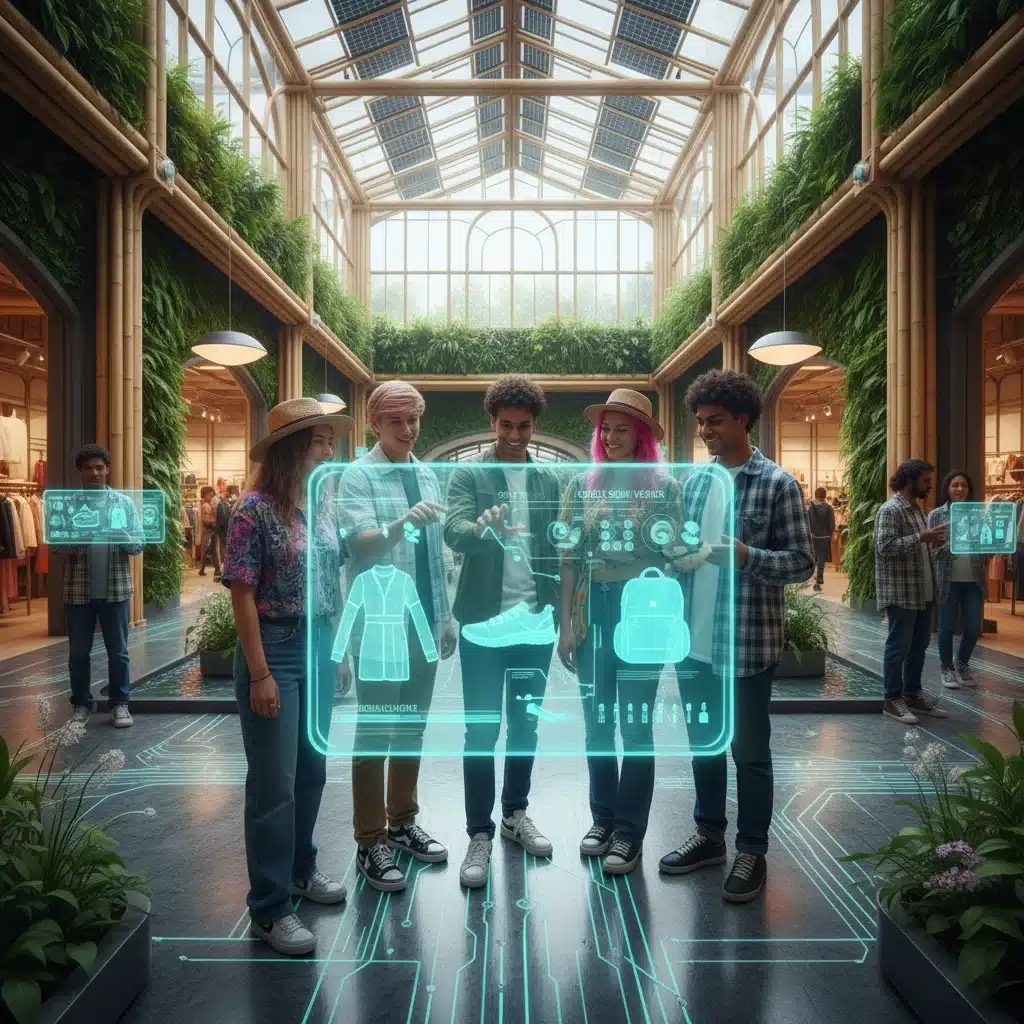
Decoding Gen Z’s Influence: 4 Unexpected Aesthetic Shifts Dominating U.S. Retail in Early 2026
The retail landscape is an ever-evolving entity, a dynamic ecosystem shaped by technological advancements, economic forces, and, perhaps most profoundly, the shifting preferences of its consumers. In early 2026, the seismic shifts being observed in U.S. retail are largely attributable to one formidable demographic: Generation Z. Born roughly between the late 1990s and early 2010s, Gen Z has come of age in a world saturated with digital connectivity, global awareness, and a keen sense of social responsibility. Their purchasing power continues to grow, and with it, their influence on what, where, and how consumers shop. Understanding these Gen Z Retail Trends is not merely about staying relevant; it’s about future-proofing your business strategy.
This demographic, often characterized by its digital native status, skepticism towards traditional advertising, and demand for authenticity, is not just adopting new products; they are dictating entirely new aesthetic paradigms. These aren’t just fleeting fads; they are deeply ingrained values manifesting as tangible changes in product design, store layouts, marketing campaigns, and even the very definition of a ‘brand experience’. For retailers and brands looking to thrive in this new era, ignoring these shifts would be a critical oversight. We’re not talking about minor adjustments; we’re witnessing a fundamental redefinition of retail aesthetics, driven by a generation that prioritizes purpose, personalization, and seamless digital integration. Let’s delve into four unexpected aesthetic shifts that are currently dominating U.S. retail, all fueled by the influential power of Gen Z.
1. The Rise of ‘Conscious Minimalism’ and Sustainable Aesthetics
One of the most profound Gen Z Retail Trends is their unwavering commitment to sustainability, which has birthed an aesthetic we’re terming ‘Conscious Minimalism’. This isn’t just about simple designs; it’s about designs that explicitly communicate environmental responsibility and ethical production. Gen Z consumers are acutely aware of the environmental and social impact of their purchases. They are the generation that grew up with climate change as a constant backdrop, and they expect brands to reflect their values.
Advertisements
What ‘Conscious Minimalism’ Looks Like:
- Natural & Recycled Materials: Retailers are increasingly showcasing products made from recycled plastics, organic cotton, hemp, bamboo, and other sustainably sourced materials. The aesthetic often highlights the raw, unprocessed beauty of these materials, featuring earthy tones, tactile textures, and transparent supply chains.
- Durability & Longevity: Fast fashion and disposable goods are out; investment pieces designed to last are in. This translates to an aesthetic of robust construction, timeless design, and repairability. Brands are emphasizing craftsmanship and offering repair services, creating a sense of value beyond mere trendiness.
- Transparency in Packaging: Opaque, excessive packaging is being replaced by minimalist, recyclable, or compostable options. Brands are using packaging as a canvas to communicate their sustainability efforts, often featuring clear labels about materials, origin, and disposal instructions. Think less plastic, more paper, glass, or innovative biodegradable solutions.
- Ethical Sourcing & Fair Trade Narratives: The story behind a product is as important as the product itself. Retail spaces and online platforms are integrating narratives about fair labor practices, local artisans, and community impact. This adds an authentic, human-centric layer to the minimalist aesthetic, making it ‘conscious’.
- Circular Economy Integration: Concepts like take-back programs, rental services, and upcycling initiatives are becoming integral to the retail experience. The aesthetic extends to how products are returned, refurbished, and reintroduced into the market, often with a unique, repurposed charm.
For brands, embracing Conscious Minimalism means more than just a green marketing campaign; it requires a fundamental shift in product development, supply chain management, and brand storytelling. It’s about creating an aesthetic that visually communicates integrity and responsibility, resonating deeply with Gen Z’s core values.
2. The ‘Phygital’ Frontier: Seamless Digital Integration in Physical Spaces
Gen Z are digital natives, and their expectation for seamless digital experiences extends far beyond their smartphones into physical retail environments. The ‘Phygital’ frontier represents the blurring of lines between the physical and digital worlds, creating an integrated shopping journey that is both convenient and engaging. This is another critical development within Gen Z Retail Trends.
Key Phygital Aesthetic Elements:
- Interactive Digital Displays: Static signage is giving way to dynamic, touch-enabled screens that allow customers to browse extended product catalogs, customize items, or access detailed product information, reviews, and social media content. These displays are often sleek, high-resolution, and intuitively designed.
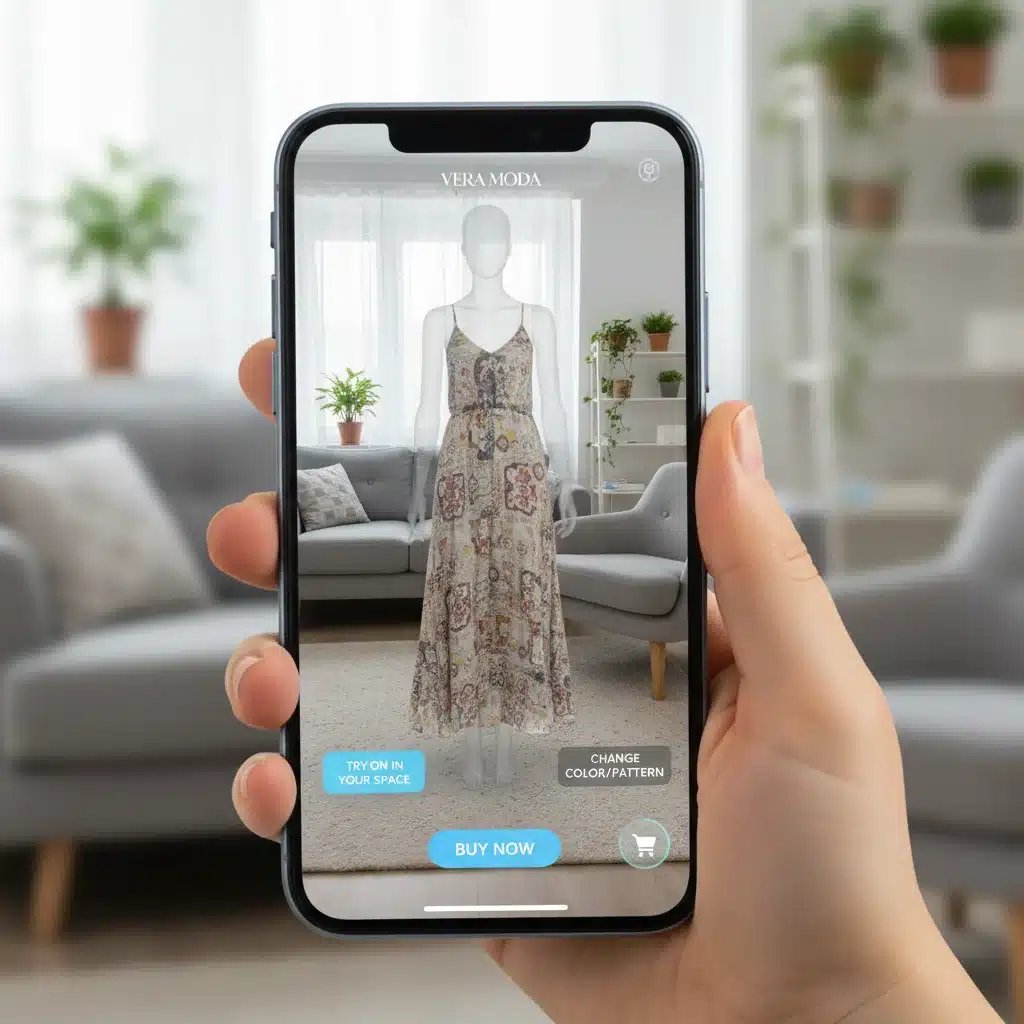
- Augmented Reality (AR) & Virtual Reality (VR) Experiences: From virtual try-on mirrors for clothing and makeup to AR apps that let customers visualize furniture in their homes, these technologies are transforming how products are experienced. The aesthetic here is one of playful experimentation and personalized visualization, making shopping more immersive and less risky.
- QR Codes & NFC Tags: These ubiquitous technologies are being strategically integrated into product displays and packaging, offering instant access to product stories, sustainability credentials, styling tips, or exclusive digital content. Their aesthetic is one of understated utility, acting as gateways to deeper engagement.
- Smart Fitting Rooms: Equipped with smart mirrors that suggest complementary items, adjust lighting, or allow customers to request different sizes or colors without leaving the room, these spaces elevate the dressing room experience. The aesthetic is often futuristic, clean, and highly functional, prioritizing privacy and convenience.
- Click & Collect Kiosks & Automated Lockers: The convenience of online ordering meets the immediacy of in-store pickup. These dedicated areas are designed for efficiency and ease, often featuring sleek, self-service interfaces that blend into the store’s overall design, reflecting a value for time and frictionless transactions.
- Personalized Digital Concierge Services: AI-powered chatbots or human associates equipped with tablets can offer personalized recommendations based on past purchases, browsing history, or in-store interactions. This creates a bespoke shopping journey, where technology enhances human connection rather than replacing it.
The phygital aesthetic is about integration – ensuring that the digital tools feel like a natural extension of the physical space, enhancing the customer journey without overwhelming it. It’s about providing choice and control, allowing Gen Z consumers to navigate their shopping experience in a way that suits their individual preferences.
3. The ‘Retrofuturism’ Revival: Nostalgia Meets Innovation
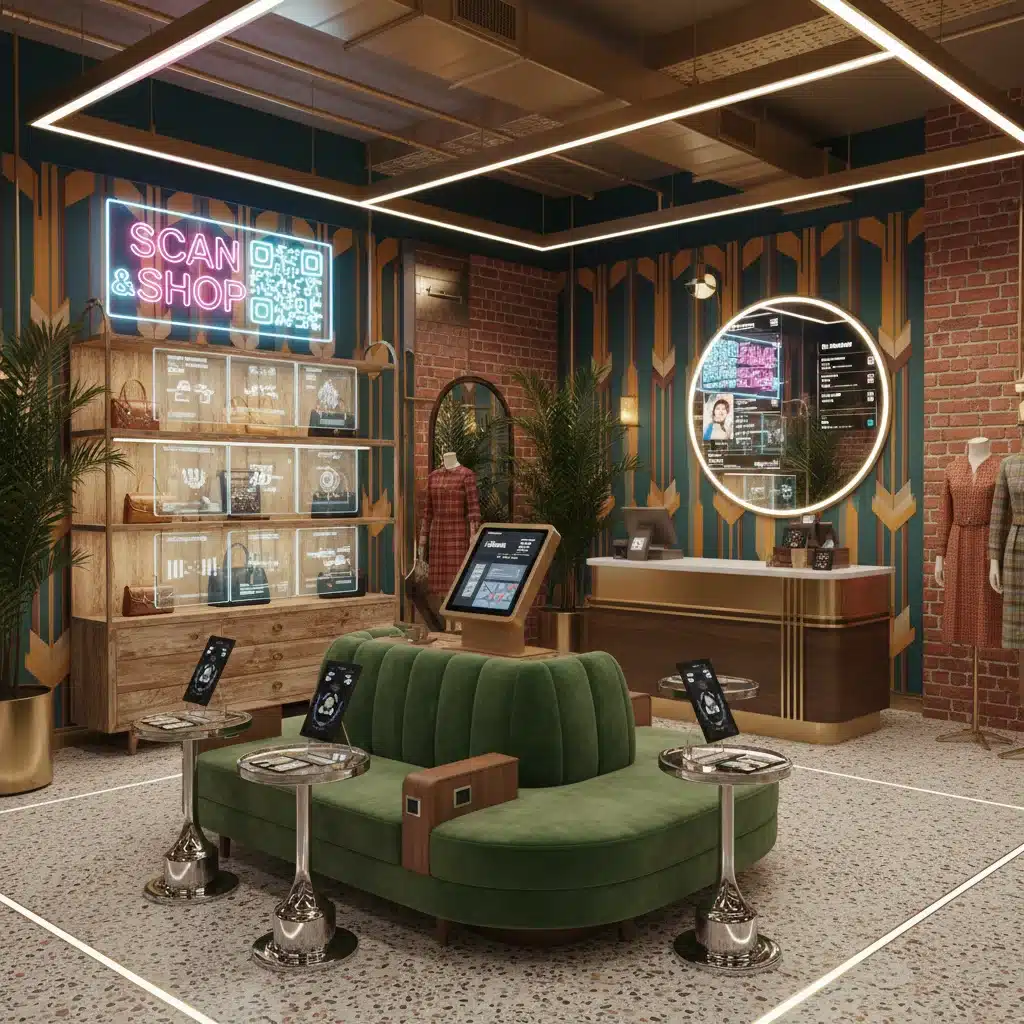
Perhaps one of the most unexpected Gen Z Retail Trends is the resurgence of ‘retrofuturism’. This isn’t just about vintage; it’s a unique blend of nostalgic aesthetics from past visions of the future (think 1960s space age, 1980s neon, or Y2K tech) fused with modern technological innovation. Gen Z, having grown up digitally, often looks to the past with a romanticized lens, finding comfort and creativity in aesthetics that predate their own experiences, yet they demand cutting-edge functionality.
Characteristics of the Retrofuturism Aesthetic:
- Bold Colors & Geometric Shapes: Drawing inspiration from mid-century modern design or 80s synth-wave, retailers are incorporating vibrant color palettes, often with contrasting hues, and strong geometric patterns in their store layouts, product packaging, and visual merchandising.
- Visible Technology with a Vintage Twist: While seamless integration is key for phygital, retrofuturism allows for technology to be celebrated as part of the aesthetic. This might include exposed circuitry, transparent casing for gadgets, or digital displays designed with pixelated fonts and retro interfaces, reminiscent of early computing.
- Nostalgic Branding & Typography: Brands are revisiting classic logos, typefaces, and advertising styles from decades past, but with a modern, often ironic, twist. This creates a sense of familiarity mixed with novelty, appealing to Gen Z’s appreciation for both heritage and innovation.
- Material Play: The aesthetic often features a mix of materials that evoke different eras – chrome, lucite, polished metals from the space age; matte plastics and neon from the 80s; or even faux wood grains from the 70s – all used in contemporary contexts to create a unique sensory experience.
- Experiential Retail with a Thematic Arc: Stores embracing retrofuturism often create immersive environments that transport customers to a specific imagined future from the past. This could involve themed zones, interactive installations, and curated product selections that fit the narrative.
- Soundscapes & Olfactory Cues: Beyond visual elements, retrofuturism extends to sensory experiences. Think synth-wave background music, or unique scents that evoke a sense of a past future, enhancing the overall nostalgic yet innovative atmosphere.
The appeal of retrofuturism lies in its ability to offer an escape, a sense of playful optimism about technology, and a connection to cultural touchstones that feel both fresh and familiar. It’s a powerful aesthetic for brands looking to stand out and create memorable experiences for Gen Z.
4. Personalized Authenticity: Crafting Unique Brand Experiences
In an age of mass production and digital saturation, Gen Z craves authenticity and personalized experiences. This isn’t just about customization of products; it’s about brands demonstrating genuine values, fostering community, and allowing consumers to express their unique identities. This desire for personalized authenticity is a cornerstone of current Gen Z Retail Trends.
Manifestations of Personalized Authenticity:
- Hyper-Personalized Product Offerings: Beyond simple monogramming, this includes AI-driven recommendations, build-your-own product platforms, and limited-edition drops that cater to niche interests. The aesthetic celebrates individuality and co-creation, making the consumer feel like an active participant in the brand’s narrative.
- Community-Centric Retail Spaces: Physical stores are evolving into community hubs, offering workshops, events, co-working spaces, and areas for social gathering. The aesthetic encourages interaction, collaboration, and a sense of belonging, moving beyond pure transactional retail. Think comfortable seating, open layouts, and flexible spaces.
- Influencer & User-Generated Content Integration: Brands are leveraging authentic voices from micro-influencers and everyday consumers. Retail displays and online platforms showcase real people using products, fostering a sense of relatability and trust. The aesthetic is often raw, unpolished, and highly engaging.
- Transparent Storytelling & Brand Values: Gen Z demands to know what a brand stands for. Retailers are using visual storytelling – through in-store displays, digital content, and packaging – to communicate their mission, ethical practices, and social impact. This creates a powerful emotional connection and validates purchases.
- Curated & Niche Selections: Instead of vast, overwhelming inventories, brands are focusing on highly curated selections that speak to specific tastes and lifestyles. This aesthetic emphasizes quality over quantity and makes the shopping experience feel more personal and less intimidating.
- Direct-to-Consumer (DTC) Models with Experiential Touchpoints: Many successful Gen Z brands started DTC, building strong online communities. Their foray into physical retail often involves experiential pop-ups or flagship stores that serve as brand showcases and community gathering points, rather than traditional sales floors.
Personalized authenticity means creating a retail environment where every interaction feels meaningful and tailored. It’s about fostering a sense of connection and allowing Gen Z consumers to see themselves reflected in the brands they choose.
The Broader Impact of Gen Z Retail Trends
These four aesthetic shifts are not isolated phenomena; they are interconnected facets of a larger transformation driven by Gen Z’s values and expectations. The demand for sustainability influences product design and packaging, while the desire for authenticity shapes marketing and community engagement. The digital-native mindset informs the integration of technology, and a nuanced appreciation for history and innovation fuels retrofuturism.
Retailers who fail to recognize these Gen Z Retail Trends risk becoming obsolete. This generation has grown up with unprecedented access to information, global perspectives, and a powerful voice through social media. They are not passive consumers; they are active participants, critics, and co-creators. Their influence extends beyond their direct purchasing power, as their trends often ripple outward, eventually shaping the preferences of older generations as well.
Adapting to the New Retail Paradigm:
- Invest in Data & Insights: Understanding Gen Z’s preferences requires deep dives into their online behavior, social media trends, and expressed values. Data analytics and consumer insights are more crucial than ever.
- Embrace Agility & Experimentation: The retail landscape is changing rapidly. Brands need to be agile, willing to experiment with new technologies, store formats, and marketing strategies. What works today might be outdated tomorrow.
- Prioritize Ethical & Sustainable Practices: This is non-negotiable. Brands must genuinely commit to sustainability and ethical sourcing, and transparently communicate these efforts. Greenwashing will be quickly detected and penalized by Gen Z.
- Cultivate Authentic Brand Stories: Beyond selling products, brands must tell compelling stories that resonate with Gen Z’s values. Authenticity, transparency, and purpose are key.
- Create Seamless & Engaging Experiences: Whether online or in-store, the customer journey must be intuitive, personalized, and engaging. The ‘phygital’ experience is paramount.
- Foster Community & Connection: Brands that build communities around shared values will win Gen Z’s loyalty. This means facilitating interaction, listening to feedback, and empowering consumers.
The aesthetic shifts driven by Gen Z are not just about superficial changes in style; they reflect a deeper cultural recalibration. This generation is seeking meaning, connection, and impact in their consumption choices. They are challenging traditional notions of ownership, value, and brand loyalty. For U.S. retail in early 2026, these four unexpected aesthetic shifts – Conscious Minimalism, the Phygital Frontier, Retrofuturism, and Personalized Authenticity – represent both a challenge and an immense opportunity. By understanding and proactively responding to these Gen Z Retail Trends, businesses can not only survive but truly thrive in the evolving consumer landscape.
Conclusion: Navigating the Gen Z Retail Revolution
The influence of Gen Z on U.S. retail is undeniable and continues to accelerate. As we move further into 2026, the four aesthetic shifts discussed – Conscious Minimalism, the Phygital Frontier, Retrofuturism, and Personalized Authenticity – will only become more entrenched in consumer expectations and industry standards. These are not merely passing fads; they represent fundamental shifts in how a powerful generation interacts with brands and defines value.
For retailers, the imperative is clear: adapt or be left behind. This involves a holistic approach that integrates sustainable practices, leverages cutting-edge technology to enhance the in-store experience, embraces a playful yet thoughtful blend of past and future aesthetics, and, above all, prioritizes genuine connection and personalization. The brands that succeed will be those that not only meet Gen Z where they are but anticipate where they are going, continuously innovating and aligning their aesthetics and values with this influential demographic. The revolution is here, and it is aesthetically driven by Gen Z.