
Mastering Retail Return Policies: Your Guide to Hassle-Free Returns in 2026
In the dynamic world of retail, the ability to return a purchase without hassle is a cornerstone of consumer confidence. As we navigate 2026, retail return policies continue to evolve, shaped by technological advancements, shifting consumer expectations, and the ongoing quest for operational efficiency by retailers. Understanding these nuances is no longer a luxury but a necessity for every savvy shopper. This comprehensive guide will equip you with the knowledge to confidently approach any retail return scenario, ensuring your purchases are protected and your shopping experience remains positive.
The landscape of retail return policies is a complex tapestry woven with threads of store-specific rules, legal obligations, and industry best practices. From the rise of ‘returnless refunds’ to stricter enforcement of return windows, staying informed is paramount. Our objective is to demystify these policies, highlight key changes, and provide actionable advice so you can navigate the system like a pro.
The Evolution of Retail Return Policies: What’s New in 2026?
The year 2026 marks a significant period for retail return policies. We’re seeing a clear trend towards more data-driven and personalized return experiences. Retailers are leveraging AI and machine learning to identify patterns in returns, combat fraud, and, in some cases, offer more flexible options to their most loyal customers. However, this also means that for the average consumer, the ‘one-size-fits-all’ return policy is becoming a relic of the past.
One of the most notable shifts is the increased scrutiny on return abuse. Retailers are implementing sophisticated systems to track return histories, and frequent returners might find themselves subject to stricter policies or even blacklisted. This is a direct response to the significant financial impact of return fraud and excessive returns on businesses.
Advertisements
Another emerging trend is the integration of environmental considerations into return policies. Some retailers are exploring incentives for customers to keep items (e.g., small discounts) or choose greener return methods, such as consolidated shipping or in-store drop-offs, to reduce their carbon footprint. Understanding these evolving retail return policies is crucial for an optimal shopping experience.
Key Changes to Look Out For:
- Personalized Return Windows: Depending on your purchase history and loyalty status, you might encounter varying return periods.
- Digital-First Returns: Many retailers are moving towards entirely digital return processes, requiring online initiation and digital receipts.
- Returnless Refunds: For low-value items or in specific scenarios, retailers might offer a refund without requiring the item to be sent back.
- Stricter Condition Requirements: The definition of ‘new condition’ for returns is becoming more stringent, especially for apparel and electronics.
- Restocking Fees: Expect to see a more widespread application of restocking fees, particularly for high-value items or returns without original packaging.
Understanding Your Rights: Consumer Protection Laws and Retail Returns
While retailers set their specific policies, these policies must always operate within the framework of consumer protection laws. These laws vary by region and country, but they generally aim to protect consumers from unfair practices and ensure a baseline level of rights regarding faulty or misrepresented goods. Familiarizing yourself with these fundamental rights is your first line of defense when navigating retail return policies.
In many jurisdictions, consumers have a statutory right to return faulty or ‘not as described’ goods, regardless of the retailer’s stated policy. This right often extends beyond the typical return window for unwanted items. However, proving an item is faulty or misrepresented can sometimes require documentation or expert assessment.
For online purchases, distance selling regulations often provide an additional layer of protection, granting consumers a ‘cooling-off period’ during which they can return items for any reason, usually within a set number of days (e.g., 14 days in the EU). This is a critical distinction from in-store purchases, where the right to return an unwanted item is often at the retailer’s discretion, unless mandated by specific state or provincial laws.
Key Consumer Rights to Remember:
- Right to Goods of Satisfactory Quality: Items must be free from defects and fit for purpose.
- Right to Goods as Described: Products must match their description, samples, or models.
- Right to Repair or Replacement: For faulty goods, you often have a right to a repair or replacement before a refund.
- Cooling-Off Period (Online Purchases): A statutory period for consumers to change their mind about online purchases.
Always keep records of your purchase, including receipts, order confirmations, and any communication with the retailer. This documentation is invaluable if you need to assert your consumer rights.
Decoding the Fine Print: What to Look For in a Return Policy
Every retailer’s return policy is a legally binding agreement between you and the store. Before making a significant purchase, especially online, take a few moments to read the return policy carefully. It might seem tedious, but it can save you considerable frustration and potential financial loss down the line. Pay close attention to the details that often lead to disputes.
The devil is truly in the details when it comes to retail return policies. A policy that seems generous on the surface might have hidden clauses that limit your options. For instance, a ’30-day return policy’ might only apply to unopened items, or exclude certain categories of products.
Essential Elements of a Return Policy to Scrutinize:
- Return Window: How many days do you have to return an item? Is it from the purchase date, delivery date, or another metric?
- Condition of Item: Must the item be new, unused, in original packaging, or with tags attached?
- Proof of Purchase: Is a receipt always required, or will a bank statement or order number suffice?
- Refund Method: Will you receive a full refund to your original payment method, store credit, or an exchange?
- Exclusions: Are there any categories of items (e.g., final sale, personalized items, underwear, software) that cannot be returned?
- Restocking Fees: Are there any charges for returning certain items?
- Shipping Costs: Who pays for return shipping? Is the original shipping cost refunded?
- Online vs. In-Store Returns: Can online purchases be returned in-store, and vice-versa?
- Holiday Return Extensions: Do they offer extended return periods during the holiday season?
Make it a habit to check these points before you click ‘buy’ or head to the checkout. A little proactive research can prevent a lot of headaches later. This meticulous approach to understanding retail return policies empowers you as a consumer.
Strategies for a Smooth Return Process
Even with a clear understanding of the policy, the actual return process can sometimes be daunting. However, with a few strategic steps, you can significantly increase your chances of a hassle-free experience. Preparation and clear communication are your best allies.
The key to a smooth return often lies in anticipating potential issues and having all your ducks in a row before you even initiate the process. This is particularly true for items purchased online, where the logistical aspects of returning can add layers of complexity.
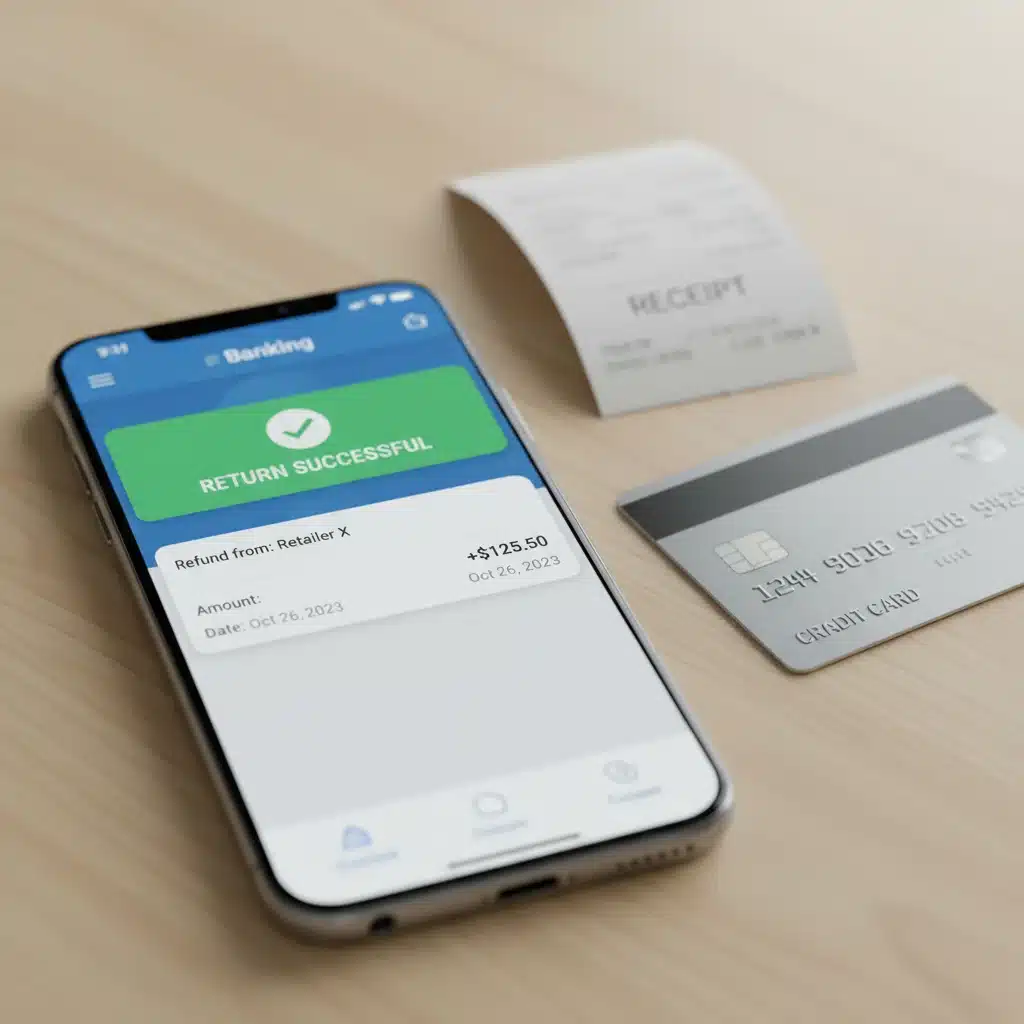
Tips for Successful Returns:
- Keep All Packaging and Tags: Most retailers require items to be returned in their original packaging with all tags attached.
- Retain Your Receipt/Proof of Purchase: This is non-negotiable. Digital copies are often accepted, so photograph or screenshot them.
- Understand the Return Window: Mark it on your calendar if necessary. Don’t miss the deadline.
- Inspect Items Immediately: Check for defects or discrepancies as soon as you receive your purchase.
- Initiate Returns Promptly: The sooner you start the process, the better, especially for online returns.
- Document Everything: If shipping an item back, take photos of its condition before packing and keep tracking information.
- Be Polite and Clear: When interacting with customer service, clearly state your reason for return and have all your information ready.
- Know Your Payment Method: Refunds typically go back to the original payment method. Be aware of the timeline for these to process.
By following these guidelines, you’ll be well-prepared to handle any return, minimizing stress and maximizing your chances of a positive outcome. These strategies are particularly effective when dealing with varied retail return policies.
The Rise of Return Abuse and Its Impact on Consumers
While consumer rights are paramount, retailers are also grappling with the growing problem of ‘return abuse.’ This encompasses various behaviors, from wardrobing (buying, wearing, and returning clothing) to serial returning (frequent returns that significantly impact a retailer’s bottom line) and outright fraud (returning stolen or counterfeit items). The consequences of return abuse are far-reaching and often result in stricter retail return policies for all consumers.
When retailers incur substantial losses due to return abuse, they often respond by tightening their policies across the board. This can manifest as shorter return windows, more rigorous inspection processes, increased restocking fees, or even the implementation of third-party return verification services that track consumer return behavior.
The unfortunate reality is that the actions of a few can negatively impact the many. As consumers, understanding this issue helps us appreciate why some policies might seem overly strict and encourages responsible return practices.
Common Forms of Return Abuse:
- Wardrobing: Purchasing an item, using it once or twice, and then returning it.
- Price Tag Switching: Replacing an item’s original price tag with a lower one.
- Returning Stolen Merchandise: Attempting to return items that were not legitimately purchased.
- Serial Returning: Consistently returning a significant portion of purchases, often impacting inventory and logistics.
- Bricking: Returning a non-functional item while keeping the functional one (often electronics).
Responsible consumer behavior is crucial not only for maintaining fair policies but also for fostering a healthy retail environment. When we respect retail return policies, we help ensure they remain reasonable for everyone.
Navigating Online vs. In-Store Return Policies
The distinction between online and in-store retail return policies is becoming increasingly blurred, yet significant differences often remain. Many retailers now offer omnichannel return options, allowing online purchases to be returned in-store and vice versa. However, it’s vital not to assume this flexibility is universal.
Online returns often involve more logistical steps, such as printing shipping labels, packaging items, and arranging for pickup or drop-off. While convenient, the processing time for refunds can be longer due to shipping transit and warehouse processing. In-store returns, conversely, offer immediate interaction with staff and often instant refunds or exchanges, but require a physical trip to the store.
Key Differences and Considerations:
- Proof of Purchase: Online orders usually require an order number or packing slip, while in-store requires a physical receipt.
- Return Shipping Costs: For online returns, check if the retailer covers return shipping or if it’s deducted from your refund.
- Processing Time: Online refunds can take longer due to shipping and processing at a distribution center.
- Condition of Return: In-store staff might have more discretion over accepting items that are slightly used but still in good condition, whereas online returns are often subject to stricter warehouse checks.
- Exchange Options: In-store returns often make exchanges easier, allowing you to pick out a replacement immediately.
Always verify the specific process for your purchase channel. A quick check of the retailer’s website or a call to customer service can clarify any ambiguities regarding retail return policies for online versus in-store purchases.
The Future of Retail Returns: Predictions for Beyond 2026
Looking beyond 2026, the trajectory of retail return policies suggests even greater personalization and technological integration. We can anticipate further advancements in AI-driven fraud detection, potentially leading to real-time assessment of return eligibility based on individual consumer profiles and purchase histories.
Augmented Reality (AR) and Virtual Try-On technologies are also poised to play a larger role in reducing returns, especially in apparel and home goods. By allowing customers to better visualize how an item will look or fit before purchase, the need for returns due to sizing or aesthetic mismatches could significantly decrease.
Furthermore, sustainability will continue to drive innovation in return logistics. Expect to see more localized return centers, drone deliveries for returns, and even incentives for customers to donate unwanted items rather than returning them, all aimed at minimizing waste and environmental impact.
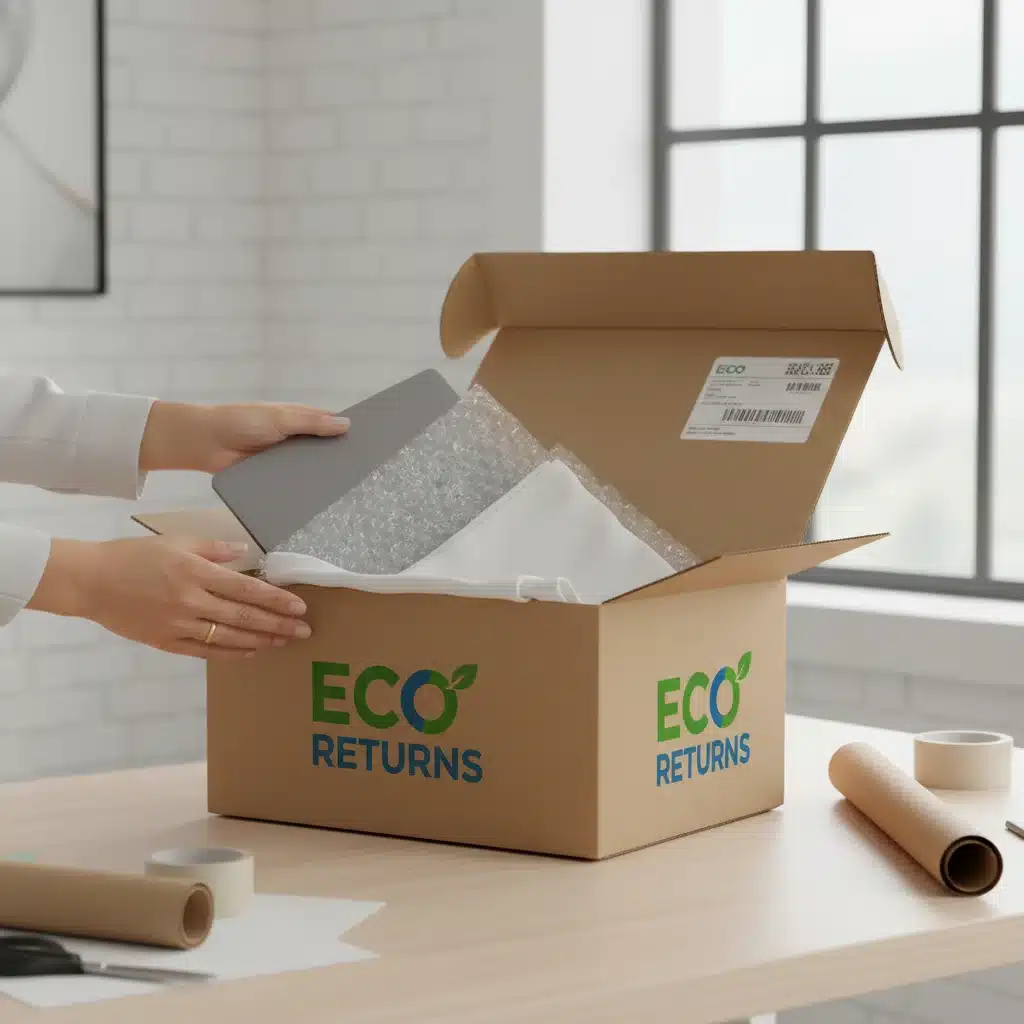
Emerging Trends to Watch:
- Hyper-Personalized Policies: Policies tailored to individual customer behavior and loyalty.
- Predictive Analytics for Returns: AI predicting potential returns and offering solutions proactively.
- Sustainability-Focused Returns: Incentives for eco-friendly return choices or donations.
- Enhanced Try-Before-You-Buy Models: Reducing the initial need for returns.
- Blockchain for Return Tracking: Greater transparency and security in the return chain.
These future trends underscore the ongoing evolution of the retail landscape and the continuous effort to balance consumer convenience with retailer profitability. Staying ahead of these changes will ensure you remain a smart and empowered consumer.
Conclusion: Empowering Your Purchases with Knowledge
In conclusion, mastering retail return policies in 2026 and beyond is about more than just knowing a store’s rules; it’s about understanding your rights, anticipating potential challenges, and adopting smart shopping habits. The retail environment is constantly shifting, but with the insights provided in this guide, you are well-equipped to navigate its complexities.
Remember to always read the fine print, keep meticulous records, and communicate clearly when initiating a return. By doing so, you protect your purchases, ensure your consumer rights are upheld, and contribute to a more efficient and fair retail ecosystem for everyone. Happy shopping, and even happier returning, when necessary!