Sustainable Chic: Top 5 Eco-Friendly Fashion Trends 2026 US
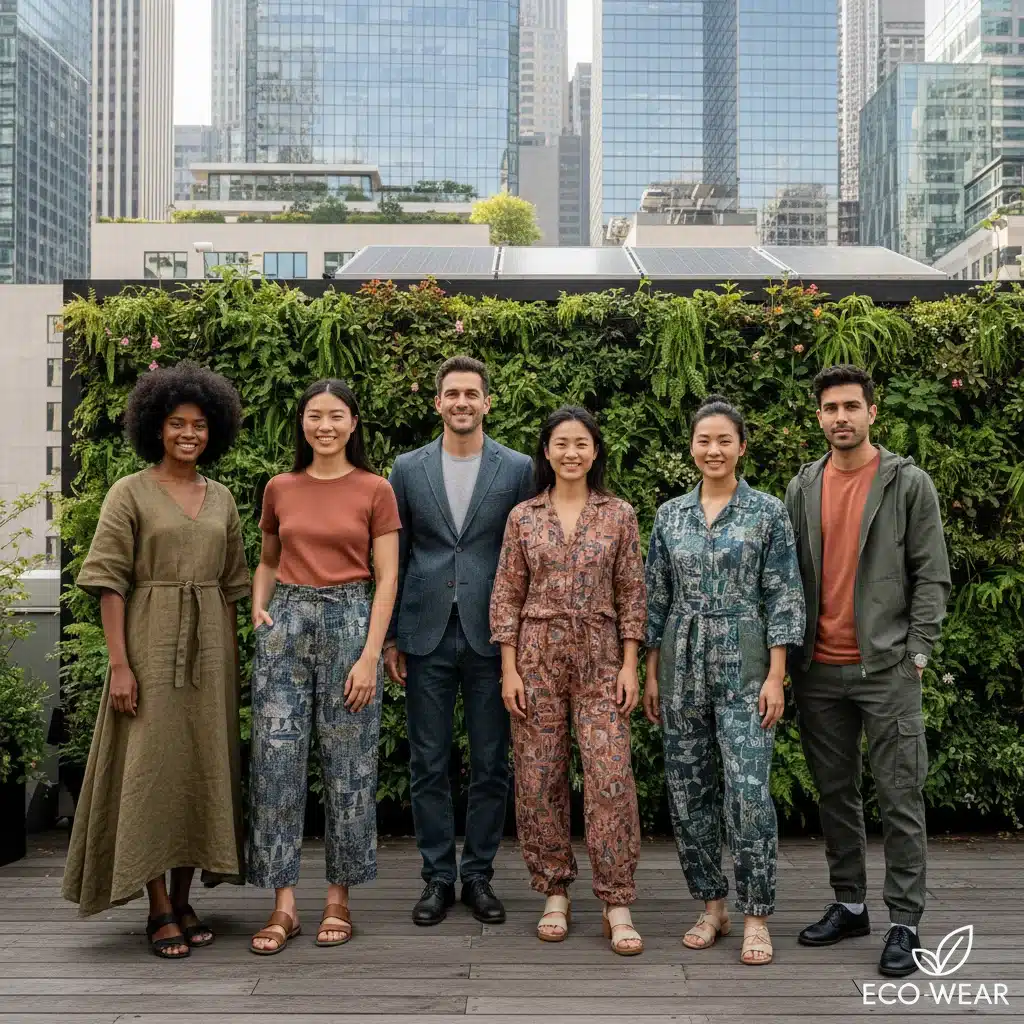
The fashion industry, long synonymous with rapid consumption and environmental impact, is undergoing a profound transformation. As consumers become increasingly aware of the ecological and social costs of fast fashion, a powerful movement towards sustainability is taking hold. By mid-2026, the United States is poised to witness a significant surge in eco-friendly fashion trends, redefining what it means to be stylish and responsible. This shift isn’t just a fleeting fad; it’s a fundamental change in values, production, and consumption that promises a more sustainable future for apparel.
The imperative for change is clear. The fashion industry is one of the world’s largest polluters, contributing significantly to greenhouse gas emissions, water pollution, and textile waste. From the cultivation of resource-intensive crops like conventional cotton to the energy-hungry manufacturing processes and the proliferation of synthetic microplastics, every stage of the fashion supply chain has an environmental footprint. However, innovation, consumer demand, and regulatory pressures are driving the industry towards more sustainable practices. This article will delve into the top five eco-friendly fashion trends that are not only gaining traction but are set to dominate the US market by mid-2026, offering insights into how brands and consumers alike can embrace this exciting new era of sustainable chic.
The Rise of Conscious Consumerism: A Driving Force
At the heart of the sustainable fashion movement is the rise of conscious consumerism. Today’s consumers, particularly younger generations, are not just buying products; they are buying into values. They are increasingly scrutinizing brands’ ethical practices, environmental commitments, and social responsibility. This shift is compelling brands to rethink their entire business model, from sourcing raw materials to end-of-life product solutions. Social media and readily available information have empowered consumers to make informed choices, pushing transparency and accountability to the forefront of the fashion discourse. This growing demand for ethical and eco-friendly fashion trends is the primary catalyst for the widespread adoption of sustainable practices we are currently witnessing.
Advertisements
Market research consistently shows a growing preference for sustainable products. A significant percentage of consumers are willing to pay more for products that are environmentally friendly and ethically produced. This willingness to invest in sustainable options is a powerful signal to the industry that sustainability is no longer a niche concern but a mainstream expectation. Brands that fail to adapt risk losing market share and relevance in an increasingly conscientious marketplace. Therefore, understanding and integrating these eco-friendly fashion trends is not just good for the planet, but good for business.
Trend 1: Innovative Sustainable Materials – Beyond Organic Cotton
While organic cotton has been a staple of sustainable fashion for years, the industry is now pushing the boundaries with a new generation of innovative sustainable materials. These materials address various environmental concerns, from reducing water usage and pesticide reliance to repurposing waste and developing biodegradable alternatives. By mid-2026, expect to see these materials move from experimental to mainstream, becoming integral to eco-friendly fashion trends.
Mushroom Leather (Mycelium-based materials)
One of the most exciting innovations is mushroom leather, derived from mycelium, the root structure of fungi. This material offers a compelling alternative to animal leather, boasting a similar look and feel while being biodegradable and requiring significantly fewer resources to produce. Brands are already experimenting with mycelium-based products, and as production scales, its presence in accessories, footwear, and even apparel will grow exponentially.
Recycled Ocean Plastics and Post-Consumer Waste
The fight against plastic pollution is also driving innovation in textiles. Recycled ocean plastics and other post-consumer waste are being transformed into high-quality fabrics suitable for everything from activewear to outerwear. This trend not only diverts waste from landfills and oceans but also reduces the demand for virgin petroleum-based materials. Advancements in recycling technologies are making these materials more versatile and cost-effective, solidifying their place in future eco-friendly fashion trends.
Hemp and Linen Revival
Ancient fibers like hemp and linen are experiencing a significant resurgence. These plants require minimal water and pesticides, grow quickly, and enrich the soil. Modern processing techniques are making hemp and linen softer and more luxurious, shedding their previously coarse reputation. Their natural durability and breathability make them ideal for a wide range of garments, from casual wear to sophisticated pieces, aligning perfectly with the desire for both comfort and sustainability.
Bio-based Synthetics (e.g., from corn, sugar cane)
While traditional synthetics like polyester and nylon are problematic, a new wave of bio-based synthetics is emerging. These materials are derived from renewable resources like corn starch, sugar cane, or castor beans, offering the performance benefits of synthetics without the reliance on fossil fuels. As research and development continue, these materials will play a crucial role in creating functional and sustainable clothing, especially in activewear and technical apparel.

Trend 2: Circular Fashion and Longevity – Designing Out Waste
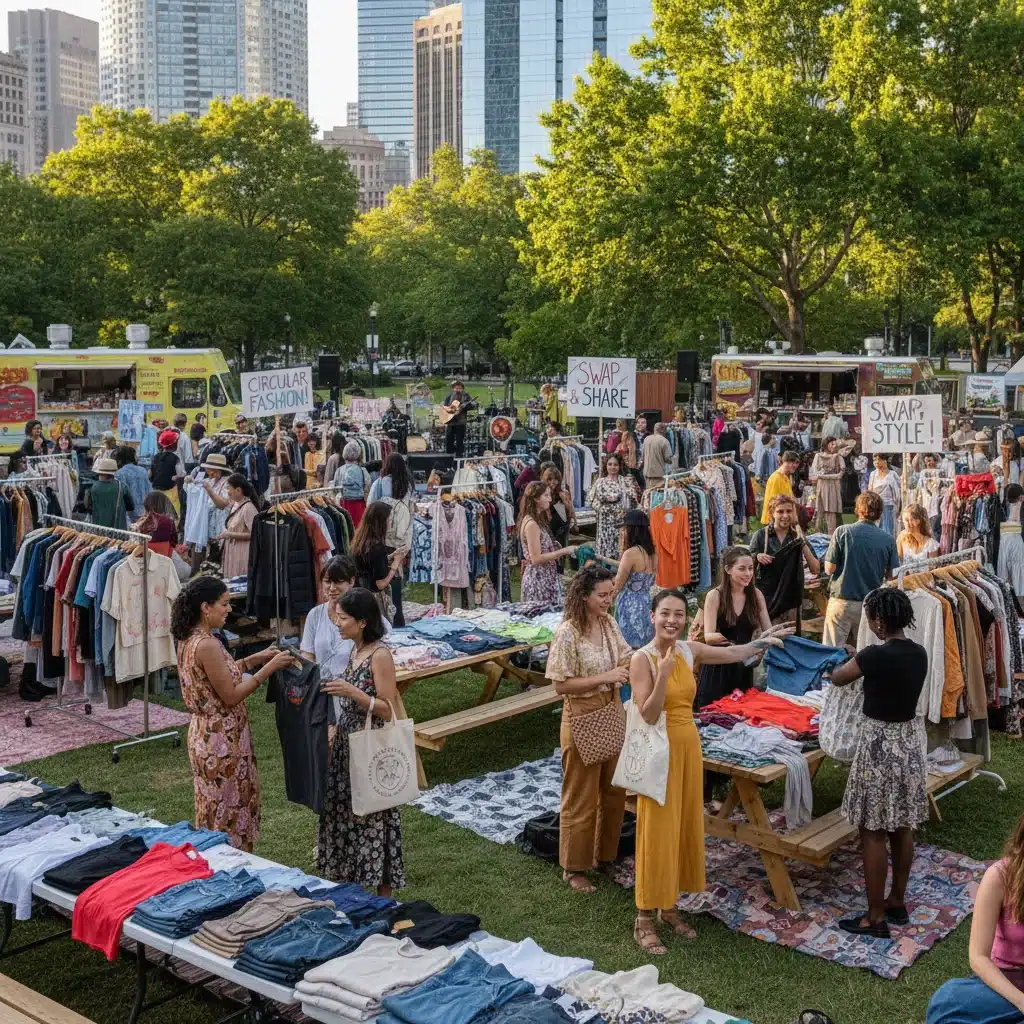
The linear model of ‘take-make-dispose’ is fundamentally unsustainable. Circular fashion aims to keep resources in use for as long as possible, extracting maximum value from them while in use, then recovering and regenerating products and materials at the end of each service life. This trend is about designing out waste and pollution, keeping products and materials in use, and regenerating natural systems. By mid-2026, circularity will be a cornerstone of eco-friendly fashion trends.
Brands are increasingly investing in repair services, encouraging customers to extend the life of their garments rather than replacing them. Similarly, take-back programs for used clothing are becoming common, allowing brands to recycle materials or facilitate resale. The resale market, driven by platforms like ThredUp and Poshmark, is booming, offering consumers affordable and sustainable alternatives to new purchases. Many brands are now launching their own resale initiatives, recognizing the economic and environmental benefits.
Design for Disassembly and Recycling
To truly achieve circularity, garments must be designed with their end-of-life in mind. This means using mono-materials (fabrics made from a single type of fiber) or easily separable components to facilitate recycling. Designers are challenged to create clothes that can be easily disassembled and their components recycled into new products, closing the loop on textile waste. This forward-thinking approach is critical for the long-term viability of eco-friendly fashion trends.
Rental and Subscription Models
The concept of ownership is being redefined in fashion. Rental and subscription services for clothing, particularly for special occasions or fast-changing trends, are gaining popularity. This allows consumers to enjoy a wider variety of styles without the environmental impact of purchasing and discarding items. These models promote sharing and maximize the utility of each garment, reducing overall consumption and waste.
Trend 3: Transparency and Traceability – Knowing Your Clothes
In an era of greenwashing, consumers are demanding greater transparency from brands. They want to know where their clothes come from, how they were made, and by whom. Transparency and traceability are becoming non-negotiable aspects of eco-friendly fashion trends, allowing consumers to make truly informed decisions and holding brands accountable for their supply chains.
Blockchain Technology for Supply Chain Tracking
Blockchain technology is emerging as a powerful tool for achieving unprecedented supply chain transparency. By creating an immutable, distributed ledger, blockchain can track a garment’s journey from raw material to finished product, verifying its origins, certifications, and ethical credentials. This technology offers a reliable way to combat greenwashing and build consumer trust.
Certifications and Eco-Labels
A proliferation of eco-labels and certifications helps consumers identify truly sustainable products. Standards like GOTS (Global Organic Textile Standard), Fair Trade, Oeko-Tex, and B Corp certification provide independent verification of environmental and social performance. As consumer awareness grows, the demand for products bearing these trusted labels will continue to rise, making them a key part of eco-friendly fashion trends.
Open-Source Information and Digital Product Passports
Brands are increasingly providing open-source information about their materials, manufacturing processes, and environmental impact. Digital product passports, embedded with QR codes or NFC tags, allow consumers to access detailed information about a garment’s lifecycle with a simple scan. This level of detail empowers consumers to make choices aligned with their values and promotes a deeper connection with their clothing.
Trend 4: Ethical Production and Fair Labor Practices
Sustainability in fashion extends beyond environmental concerns to encompass social responsibility. Ethical production and fair labor practices are crucial components of eco-friendly fashion trends. Consumers are demanding that their clothes be made under safe, fair, and humane conditions, free from exploitation and child labor.
Living Wages and Safe Working Conditions
The movement for living wages and safe working conditions for garment workers is gaining significant momentum. Brands are being pressured to ensure that every individual involved in their supply chain, from farmers to factory workers, receives fair compensation and works in an environment that respects their health and safety. This involves auditing factories, building long-term relationships with suppliers, and investing in worker well-being programs.
Empowerment of Artisans and Local Communities
Supporting local artisans and traditional craftsmanship is another facet of ethical production. This not only preserves cultural heritage but also provides sustainable livelihoods for communities, often in developing countries. Brands that partner with artisan groups contribute to economic empowerment and foster a more equitable global fashion industry, aligning with the broader goals of eco-friendly fashion trends.
Diversity and Inclusion in the Supply Chain
Ethical production also involves promoting diversity and inclusion throughout the supply chain. This means ensuring fair opportunities for marginalized groups, supporting women-owned businesses, and fostering an environment of respect and equity. A truly sustainable fashion industry is one that champions social justice alongside environmental stewardship.
Trend 5: Minimalism and Investment Pieces – Quality Over Quantity
Countering the fast fashion cycle, the trend towards minimalism and investing in high-quality, durable pieces is a powerful force for sustainability. This approach encourages consumers to buy fewer items, choose wisely, and care for their garments to maximize their lifespan. This shift in mindset is foundational to long-term eco-friendly fashion trends.
Capsule Wardrobes and Timeless Design
The concept of a capsule wardrobe – a collection of versatile, interchangeable pieces that can be mixed and matched to create numerous outfits – is gaining traction. This approach encourages thoughtful purchasing and reduces the need for constant new acquisitions. Timeless designs, free from fleeting trends, ensure that garments remain stylish for years, further extending their utility and reducing waste.
Durability and Craftsmanship
Consumers are increasingly valuing durability and craftsmanship. They are willing to invest in well-made garments that are designed to last, rather than disposable items that quickly fall apart. Brands that prioritize quality materials, robust construction, and meticulous finishing are appealing to this growing segment of the market. This focus on longevity is a direct antidote to the planned obsolescence often seen in fast fashion.
Emotional Durability and Personal Connection
Beyond physical durability, emotional durability is also crucial. When consumers have a personal connection to their clothes – perhaps due to their story, ethical origins, or unique design – they are more likely to cherish and care for them, extending their lifespan. This emotional bond fosters a more sustainable relationship with fashion, moving away from impulsive purchases towards meaningful acquisitions.
The Future of Fashion: A Collaborative Effort
The widespread adoption of these eco-friendly fashion trends by mid-2026 will require a collaborative effort from all stakeholders: consumers, brands, policymakers, and innovators. Consumers must continue to demand sustainable options and make conscious purchasing decisions. Brands must invest in research and development, redesign their supply chains, and embrace transparency. Policymakers have a crucial role in creating supportive regulatory frameworks and incentives for sustainable practices. Innovators must continue to push the boundaries of material science and manufacturing processes.
The journey towards a fully sustainable fashion industry is complex and ongoing, but the momentum is undeniable. The trends outlined above represent significant strides towards a more responsible and ethical future for style. Embracing these eco-friendly fashion trends is not just about staying relevant in the market; it’s about contributing to a healthier planet and a more equitable society. The rise of sustainable chic is more than just a trend; it’s a necessary evolution, proving that fashion can indeed be a force for good.
Challenges and Opportunities Ahead
While the outlook for eco-friendly fashion trends is promising, several challenges remain. The scaling of innovative sustainable materials, for instance, requires significant investment and infrastructure development. Ensuring fair labor practices across complex global supply chains demands rigorous oversight and consistent commitment. Overcoming greenwashing, where brands misleadingly market products as eco-friendly, remains a constant battle requiring consumer vigilance and robust certification standards.
However, these challenges also present immense opportunities. The demand for sustainable solutions is driving innovation, creating new markets, and fostering a more resilient industry. Brands that authentically embrace sustainability are building stronger connections with their customers, enhancing their brand reputation, and future-proofing their businesses. The economic benefits of circular models, such as reduced waste disposal costs and new revenue streams from resale and repair, are becoming increasingly apparent. Furthermore, the fashion industry has the potential to be a powerful platform for social change, advocating for fair wages, safe working conditions, and environmental protection on a global scale.
The integration of technology, particularly AI and blockchain, will further accelerate the adoption of eco-friendly fashion trends. AI can optimize supply chain logistics, predict sustainable material demand, and even assist in designing garments for circularity. Blockchain, as discussed, provides unparalleled transparency, building trust and accountability. These technological advancements will make sustainable practices more efficient, cost-effective, and verifiable, paving the way for a truly transformative era in fashion.
Conclusion: A Stylish and Sustainable Tomorrow
By mid-2026, the landscape of fashion in the US will be noticeably greener, more ethical, and more transparent. The top five eco-friendly fashion trends – innovative sustainable materials, circular fashion, transparency and traceability, ethical production, and minimalism – are not isolated movements but interconnected pillars supporting a new paradigm for the industry. This is a future where style does not come at the expense of the planet or its people. It’s a future where conscious choices drive creativity, and sustainability is woven into the very fabric of fashion.
For consumers, this means having access to a wider array of beautiful, durable, and ethically produced garments that align with their values. For brands, it represents an opportunity to innovate, lead, and build a resilient business model fit for the 21st century. The journey towards sustainable chic is an exciting one, promising a fashion world that is not only aesthetically pleasing but also profoundly responsible. The transformation is already underway, and by 2026, these eco-friendly fashion trends will have firmly established themselves as the new standard for style.