Mastering Counterfeit Detection: 8 Key Details for Authentic Fashion in 2026
In the ever-evolving landscape of luxury fashion, the battle against counterfeit goods continues to intensify. With advancements in manufacturing and increasingly sophisticated replication techniques, distinguishing genuine articles from convincing fakes has become more challenging than ever. As we step into 2026, the stakes are higher, and the need for a discerning eye is paramount for anyone investing in high-end fashion. This comprehensive guide, focusing on authentic fashion detection, will equip you with the knowledge to navigate this complex terrain. We will delve into 8 crucial details that serve as undeniable indicators of authenticity, helping you protect your investments and ensure every luxury purchase is truly genuine.
The global counterfeit market is a multi-billion dollar industry, and luxury goods are among its prime targets. From iconic handbags and designer apparel to coveted accessories, virtually no high-value item is immune. The consequences of purchasing a fake extend beyond mere disappointment; they can include financial loss, ethical concerns regarding labor practices, and the erosion of brand value. Therefore, mastering authentic fashion detection is not just a skill, but a necessity for the modern luxury consumer.
Our journey into the intricate world of authentication will cover everything from the tactile experience of materials to the microscopic details of stitching and hardware. We will explore how leading brands embed specific identifiers and what common pitfalls counterfeiters often miss. By understanding these nuances, you will develop a keen eye that can spot even the most cunning imitations.
The Rising Tide of Sophisticated Fakes: Why 2026 Demands Vigilance
The year 2026 marks a new era in the fight against fakes. Counterfeiters are no longer content with producing crude imitations; they are investing heavily in replicating materials, manufacturing processes, and even packaging. The rise of ‘super fakes’ or ‘mirror-image replicas’ has made it incredibly difficult for the untrained eye to differentiate between genuine and fake. These high-quality counterfeits often use similar materials, employ skilled labor, and mimic brand aesthetics to an astonishing degree. This makes authentic fashion detection more critical than ever before.
Advertisements
Technology also plays a dual role. While it aids counterfeiters in creating better fakes, it also empowers authenticators with advanced tools like blockchain tracking, NFC tags, and AI-powered verification systems. However, these technologies are not always accessible to the average consumer at the point of purchase. Therefore, developing your own expertise in physical inspection remains invaluable.
Understanding the motivations behind the counterfeit industry also sheds light on its persistence. High profit margins, relatively low risk, and global demand fuel its growth. Consumers, sometimes unknowingly, contribute to this cycle. Our aim is to break this cycle by empowering you with the knowledge to make informed decisions and champion genuine craftsmanship.
Detail 1: The Unmistakable Quality of Materials
The foundation of any luxury item lies in its materials. Genuine luxury brands meticulously source the finest leathers, silks, wools, and exotic skins. These materials possess a distinct tactile quality, scent, and visual appeal that counterfeits struggle to replicate.
Leather: Authentic leather, especially from high-end brands, feels supple, smooth, and often has a unique, subtle aroma. It develops a patina over time, which is a sign of its natural quality. Counterfeit leather, often made from synthetic materials or lower-grade treated leather, can feel stiff, plasticky, or overly shiny. It might also have a chemical smell. Look for natural imperfections or grain variations that are characteristic of real leather, rather than a uniform, artificial pattern.
Fabrics: Silks should feel smooth and luxurious, draping elegantly. Cashmere and wools should be soft, warm, and free from pilling (unless it’s a very worn item). Counterfeit fabrics often feel coarse, synthetic, or appear dull. The way a fabric catches the light can also be a subtle indicator; genuine luxury fabrics often have a richer, more nuanced sheen.
Exotic Skins: Crocodile, alligator, and python skins have distinct scale patterns and textures. Counterfeit versions often use embossed leather or printed synthetic materials, which lack the depth, flexibility, and unique feel of genuine exotic skins. Each scale on an authentic exotic skin item will be unique and irregular, whereas fakes often show repetitive, uniform patterns.
Detail 2: Precision in Stitching and Seams
One of the most telling signs of authentic fashion detection is the quality of stitching. Luxury brands pride themselves on flawless craftsmanship, and this is nowhere more evident than in their seams and stitches.
Evenness and Consistency: Genuine items will feature perfectly even, straight, and consistent stitching. The length and spacing of each stitch should be uniform throughout the item. Counterfeits often exhibit uneven stitches, loose threads, skipped stitches, or stitches that are too long or too short. The thread color should also perfectly match the material, unless it’s a deliberate design choice.
Thread Type and Strength: Luxury brands use high-quality, durable threads that are often waxed or specially treated for longevity. These threads are strong and resilient. Fakes might use cheaper, weaker threads that are prone to fraying or breaking. Examine areas under stress, like handles or straps, for any signs of weakness in the stitching.
Seam Construction: Pay attention to how seams are finished. In authentic items, seams are typically clean, tightly bound, and often reinforced. There should be no raw edges or visible glue. Many luxury items feature rolled edges or perfectly aligned patterns across seams, indicating meticulous attention to detail during cutting and assembly.
Detail 3: The Weight and Finish of Hardware
Hardware — zippers, buckles, clasps, locks, and metal feet — is a critical component for authentic fashion detection. Luxury brands invest in high-quality, often custom-made hardware.
Weight and Feel: Genuine hardware typically feels substantial and heavy in hand due to the use of solid metals. Counterfeit hardware often feels light, hollow, or flimsy, indicating cheaper alloys or plating over plastic.
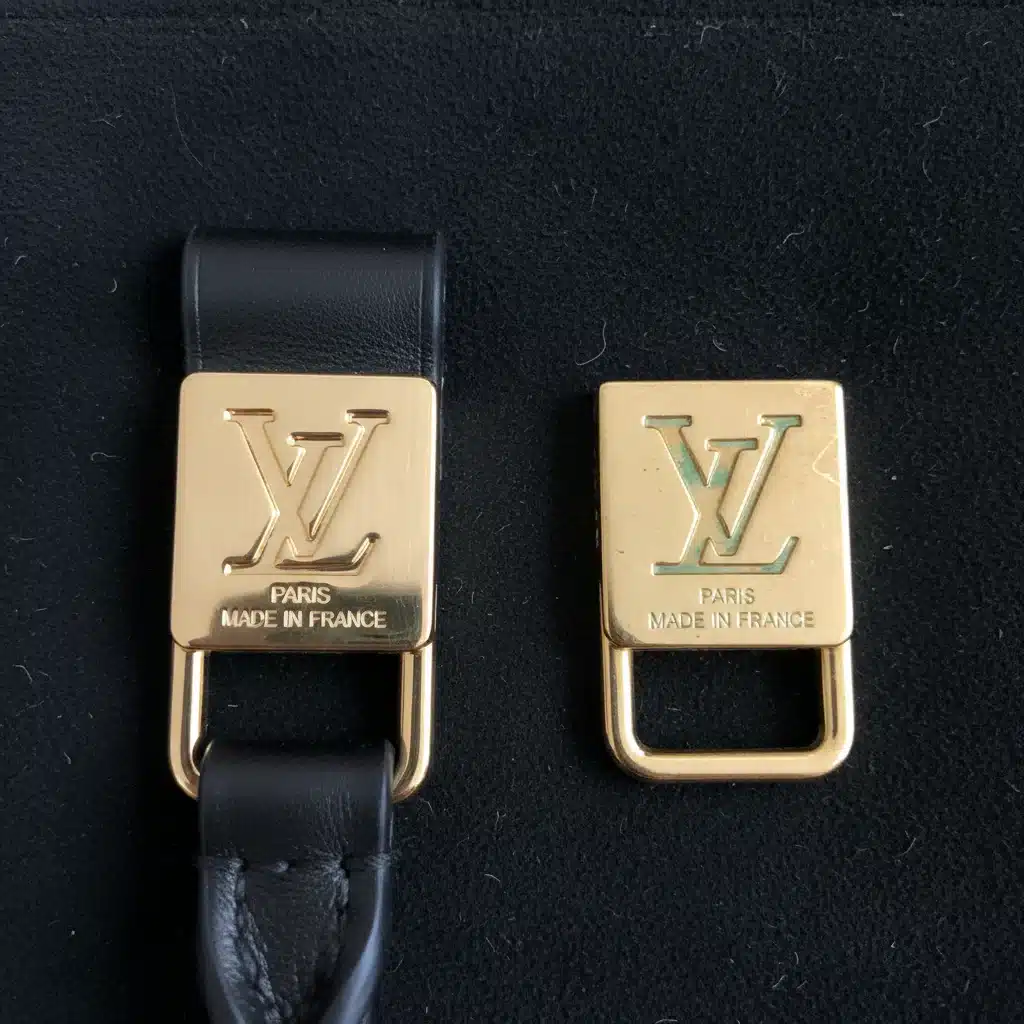
Finish and Engraving: Authentic hardware will have a smooth, polished, or expertly brushed finish, free from scratches, nicks, or discoloration. Engravings or brand logos on hardware should be crisp, clear, and precisely executed, with no blurring, unevenness, or shallow impressions. Fakes often have poorly cast hardware with rough edges, inconsistent finishes, or blurry, poorly defined engravings.
Functionality: Zippers should glide smoothly without snagging. Clasps should close securely with a satisfying click. Locks should function flawlessly. Any stiffness, squeaking, or difficulty in operating hardware can be a red flag. Many luxury brands use specific zipper manufacturers (e.g., Riri, Lampo) and often engrave their names on the zipper pull or slider. Researching these details for the specific brand and model you are examining is crucial.
Detail 4: Logo Placement and Typography
The brand logo is the most overt identifier, and therefore, a prime target for counterfeiters. However, subtle inconsistencies in logo placement and typography are often overlooked by fakers.
Consistent Placement: Luxury brands have precise guidelines for logo placement on all their products. Whether it’s embossed, printed, or stitched, the logo should always be in the exact same position, size, and orientation as genuine examples. Any deviation, even slight, can indicate a fake.
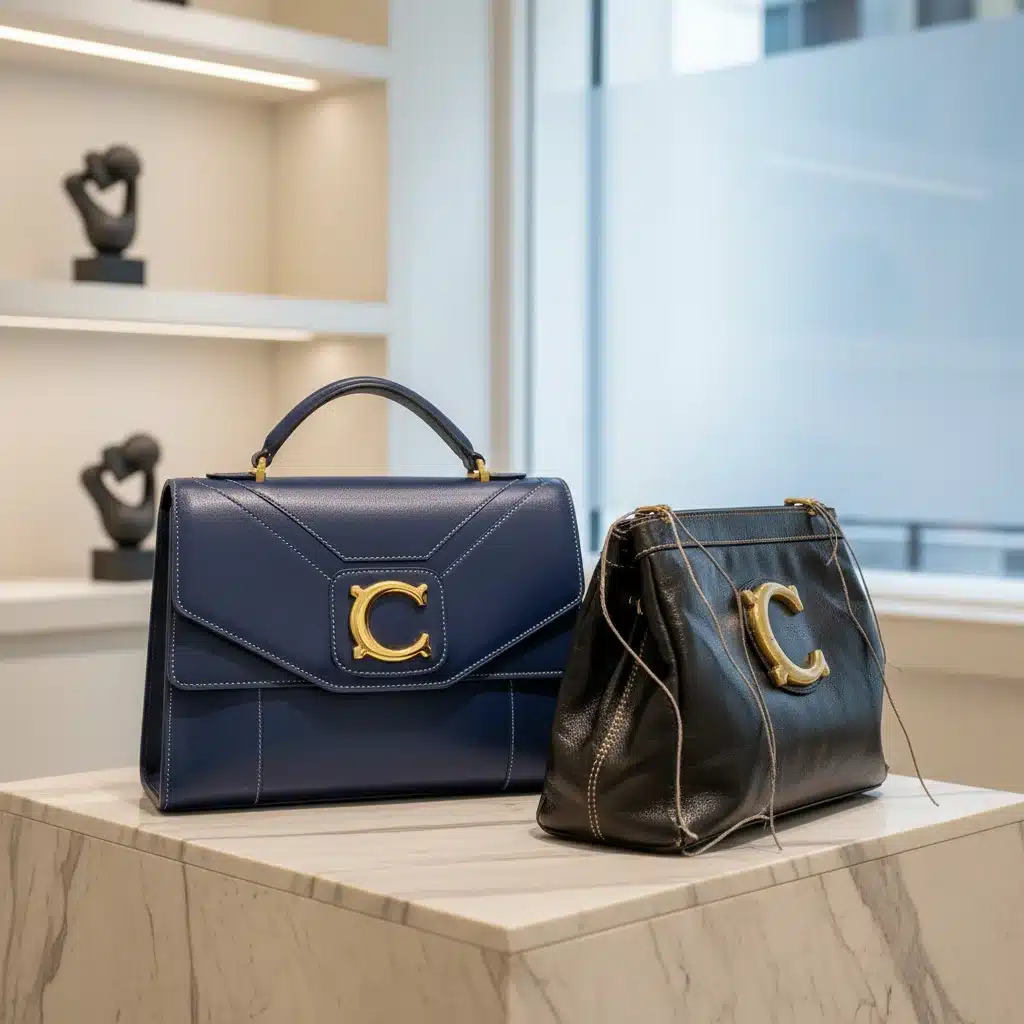
Typography and Spacing: Examine the font, letter spacing (kerning), and overall proportions of the logo. Counterfeiters often use incorrect fonts, inconsistent letter thickness, or improper spacing between characters. Even a tiny difference in a serif or the angle of a letter can be a giveaway. Compare it meticulously with high-resolution images of authentic logos from the brand’s official website.
Embossing and Printing Quality: Embossed logos should be deep, crisp, and clean, without any blurring or uneven pressure. Printed logos should be sharp, opaque, and resistant to rubbing off. Fakes often have shallow embossing, faded prints, or logos that feel like a cheap sticker.
Detail 5: Serial Numbers, Date Codes, and Authenticity Cards
Many luxury brands incorporate internal identifiers to track their products, making them vital for authentic fashion detection.
Serial Numbers/Date Codes: Brands like Louis Vuitton, Chanel, and Hermes use specific serial numbers or date codes that indicate the factory and date of manufacture. These codes often follow a particular format and can be discreetly placed in hidden pockets, on tags, or directly embossed onto the material. Research the specific brand’s coding system; fakes often have incorrect formats, non-existent codes, or codes that don’t match the item’s style or age.
Authenticity Cards: While many brands provide authenticity cards, it’s important to remember that these are easily replicated. Do not rely solely on an authenticity card. Examine the card itself: its quality, printing, font, and any holographic elements. A genuine card will be made of high-quality material, with crisp printing and often specific security features. Compare it against known authentic examples.
RFID Tags and Microchips: Increasingly, brands are incorporating RFID tags or microchips into their products for enhanced traceability and authentication. While these require specialized scanners to read, their presence (or absence, if expected) can be an indicator. Some brands allow customers to register their products online using these identifiers.
Detail 6: The Interior Lining and Pockets
The inside of a luxury item is just as important as the outside, reflecting the brand’s commitment to quality throughout.
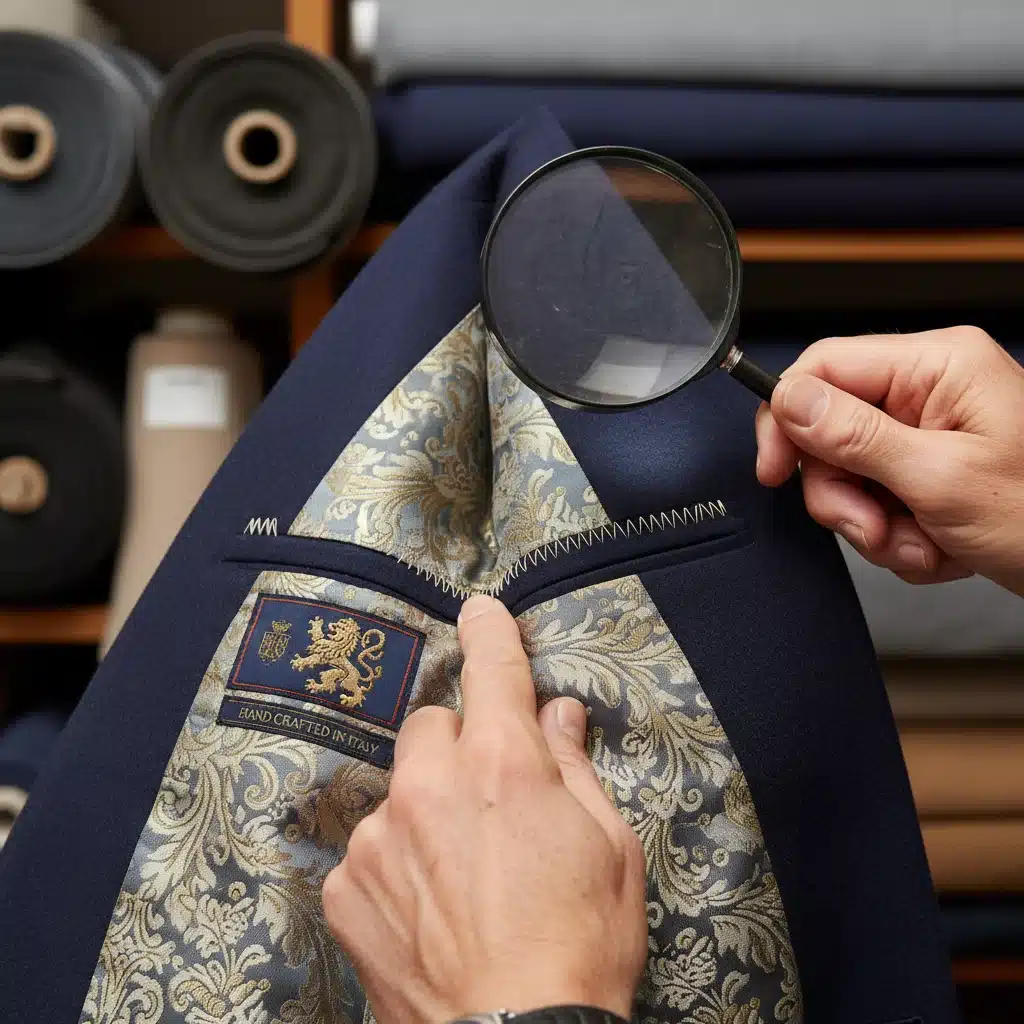
Lining Material: Authentic items use high-quality lining materials that complement the exterior. These might include fine silks, durable canvas, or soft leathers. The lining should be neatly fitted, without wrinkles, bulges, or loose areas. Counterfeit linings are often made from cheaper, synthetic materials that feel coarse, look flimsy, or have an unpleasant sheen. The color and pattern of the lining should also be accurate to the brand’s specifications for that particular model.
Pocket Construction: Pockets should be well-constructed, with clean seams and reinforced stress points. The stitching inside pockets should be just as precise as on the exterior. Fakes often cut corners here, with sloppy stitching, uneven pocket sizes, or poor finishing inside the pockets. Check for any brand tags or logos within the pockets; these should also adhere to the brand’s strict quality standards.
Hidden Details: Some brands incorporate subtle, often hidden, design elements or branding within the lining or pockets that counterfeiters frequently miss. These can be specific patterns, small embossed logos, or unique stitching patterns that serve as additional authentication markers.
Detail 7: Packaging, Dust Bags, and Documentation
While packaging can be replicated, it still offers valuable clues for authentic fashion detection, especially when considered alongside other details.
Quality of Packaging: Authentic luxury items come in high-quality packaging — sturdy boxes, elegant tissue paper, and often branded ribbons. The printing on boxes should be crisp, and the materials should feel substantial. Fakes often have flimsy boxes, poor quality printing, or incorrect branding on the packaging.
Dust Bags: Dust bags should be made of soft, high-quality fabric (e.g., flannel, cotton) with a well-executed brand logo. The stitching on the dust bag should also be neat. Counterfeit dust bags are often made from cheap, synthetic materials, have poorly printed logos, or incorrect drawstrings.
Documentation: While authenticity cards can be faked, accompanying care booklets, warranty information, and receipts can provide additional layers of verification. Examine the paper quality, printing, and language for any errors. A genuine receipt from an authorized retailer is a strong indicator of authenticity, but even these can be forged, so cross-reference with other details.
Detail 8: The Overall Feel and Price Point
Sometimes, the most intangible aspects can be the most revealing in authentic fashion detection.
The ‘Feel’ of Luxury: Authentic luxury items have a certain ‘feel’ — a balance, weight, and overall sense of quality that is difficult to articulate but immediately recognizable to an experienced eye. This encompasses the way the item sits, drapes, or holds its shape. Counterfeits often lack this inherent quality, feeling slightly ‘off’ or less refined.
Price Point and Source: If a deal seems too good to be true, it almost certainly is. Luxury items rarely, if ever, go on sale for drastic discounts, especially new, highly sought-after pieces. Purchasing from unauthorized sellers, online marketplaces with vague return policies, or individuals offering suspiciously low prices significantly increases your risk of encountering a fake. Always prioritize purchasing from official brand boutiques, authorized retailers, reputable department stores, or well-vetted consignment platforms with strong authentication processes.
Research the Seller: Before making a purchase, especially from a third party, thoroughly research the seller’s reputation, reviews, and authentication guarantees. Look for transparent return policies and strong customer service. A legitimate seller will be confident in the authenticity of their goods and willing to provide detailed information or additional photos.
The Importance of Continuous Learning and Verification
The world of luxury fashion and its counterfeit counterpart is dynamic. Brands constantly update their designs, materials, and security features, while counterfeiters simultaneously adapt their methods. Therefore, continuous learning is key to mastering authentic fashion detection.
Stay Informed: Follow reputable authentication experts, luxury fashion blogs, and brand-specific forums. Many online communities are dedicated to helping consumers identify fakes and share knowledge about new counterfeit trends. Brands themselves often release information on how to spot fakes of their products.
Utilize Professional Authentication Services: For high-value items or when in doubt, consider using professional authentication services. Companies specializing in luxury goods authentication employ experts with extensive training and access to brand archives, often utilizing advanced tools like microscopy and material analysis. While there’s a fee, it’s a small price to pay for peace of mind and protection against significant financial loss.
Document Your Purchases: Keep original receipts, authenticity cards, and any other documentation that comes with your luxury items. This not only helps with potential resale but also serves as proof of purchase and authenticity if ever questioned.
Conclusion: Empowering Your Luxury Fashion Journey in 2026
As we navigate 2026 and beyond, the ability to discern genuine luxury from sophisticated fakes is an indispensable skill for any fashion enthusiast or investor. By focusing on these 8 crucial details — the quality of materials, precision in stitching, weight and finish of hardware, accuracy of logos, validity of serial codes, integrity of interior linings, authenticity of packaging, and the overall feel and price point — you can significantly enhance your authentic fashion detection capabilities.
Remember that authenticity is about more than just the brand name; it’s about the unparalleled craftsmanship, ethical production, and enduring value that genuine luxury items represent. By becoming an informed and vigilant consumer, you not only protect your own investments but also contribute to upholding the integrity of the luxury fashion industry. Shop smart, authenticate diligently, and enjoy the true artistry of authentic fashion.
The journey to becoming an authentication expert is ongoing, requiring patience, attention to detail, and a commitment to continuous learning. However, the rewards are immense: the satisfaction of owning genuine pieces, the confidence in your purchases, and the assurance that you are supporting legitimate businesses and ethical practices. Embrace these guidelines, hone your eye, and step into the world of luxury fashion in 2026 with unwavering confidence in your ability to spot the real deal.