Athleisure’s Evolution: 5 Performance-Driven Styles Redefining Casual Wear in 2026
Athleisure’s Evolution: 5 Performance-Driven Styles Redefining Casual Wear in 2026
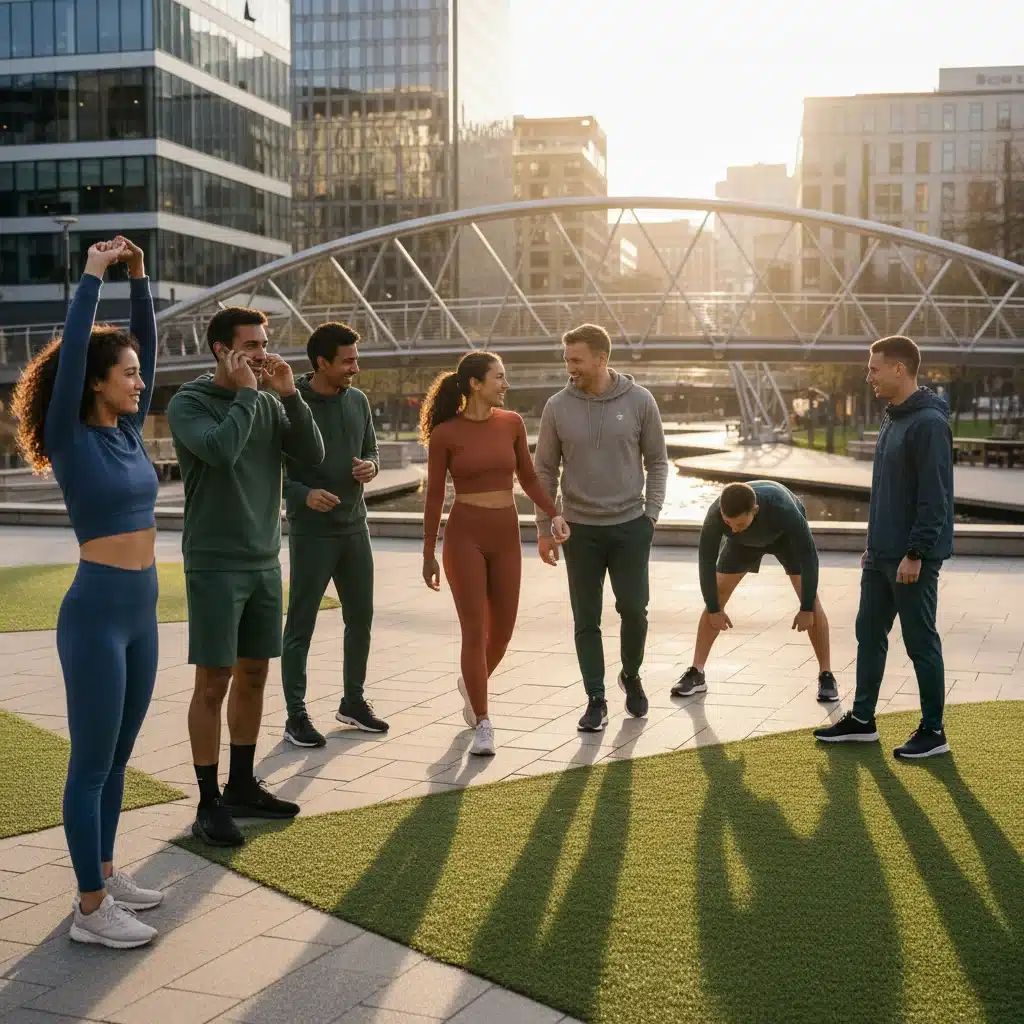
The lines between activewear and everyday clothing have blurred to an unprecedented degree, giving rise to a phenomenon known as athleisure. What started as a niche trend has blossomed into a global movement, fundamentally reshaping how we approach fashion and comfort. As we stride into 2026, athleisure is no longer just about wearing yoga pants outside the gym; it’s about a sophisticated blend of performance, style, and sustainability that caters to a dynamic lifestyle. This article delves into the transformative world of athleisure fashion trends, exploring five key performance-driven styles that are set to dominate casual wear in the coming years.
The core philosophy behind athleisure is simple: clothing that supports an active lifestyle without compromising on aesthetic appeal. It’s about being ready for anything, from an impromptu workout to a casual brunch, all while looking effortlessly chic. This evolution is driven by technological advancements in fabric development, a growing emphasis on health and wellness, and an increasing demand for versatile wardrobes. Consumers are seeking garments that offer both functionality and fashion, and the athleisure market is rising to meet this challenge with innovative designs and materials.
Understanding these emerging athleisure fashion trends is crucial for anyone looking to stay ahead in the fashion game. Whether you’re a designer, a retailer, or simply a fashion enthusiast, recognizing these shifts will provide valuable insights into the future of casual wear. We’ll explore how performance features are being seamlessly integrated into everyday garments, how sustainability is becoming a non-negotiable aspect of design, and how adaptability is key to creating truly versatile pieces.
1. The Rise of Hyper-Functional Fabrics: Beyond Basic Stretch
One of the most significant drivers of the current athleisure fashion trends is the relentless innovation in fabric technology. Gone are the days when ‘stretch’ was the only performance metric. In 2026, hyper-functional fabrics are taking center stage, offering a multitude of benefits that enhance comfort, durability, and overall wearability. These aren’t just materials; they are intelligent textiles designed to interact with the body and the environment.
Advertisements
Moisture-Wicking and Temperature Regulation
At the forefront of hyper-functional fabrics are advanced moisture-wicking and temperature-regulating properties. New synthetic blends, often incorporating recycled polyesters and nylons, are engineered to rapidly draw sweat away from the skin, keeping the wearer dry and comfortable. But the innovation doesn’t stop there. Brands are now integrating phase-change materials (PCMs) directly into fibers. These PCMs absorb and release heat as body temperature fluctuates, providing a dynamic cooling or warming effect. Imagine a hoodie that keeps you warm during your morning commute but prevents overheating during a brisk walk – that’s the promise of these intelligent textiles. This sophisticated approach to thermal management is redefining what we expect from our everyday clothing, making athleisure truly performance-driven.
Durability and Longevity
As consumers become more conscious about sustainability and investment in their wardrobes, the demand for durable and long-lasting garments is escalating. Hyper-functional fabrics are designed to withstand the rigors of an active lifestyle, offering enhanced resistance to abrasion, pilling, and fading. Reinforced stitching, tear-resistant weaves, and color-fast dyes are becoming standard. Furthermore, self-healing fabrics, though still nascent, are on the horizon, promising to repair minor snags and tears, significantly extending the lifespan of garments. This focus on durability not only benefits the consumer by offering better value but also aligns with eco-friendly practices by reducing textile waste.
Integrated Tech and Smart Textiles
The future of athleisure fashion trends also includes a fascinating integration of technology directly into fabrics. Smart textiles embedded with biometric sensors are moving from niche sports gear to mainstream athleisure. These garments can monitor heart rate, respiration, and even posture, transmitting data to smart devices. While still in its early stages for everyday wear, the potential for personalized health monitoring and performance optimization through clothing is immense. Imagine a t-shirt that alerts you to stress levels or a pair of leggings that corrects your running form. This convergence of fashion and technology is set to revolutionize how we interact with our clothing, making athleisure not just functional, but truly intelligent.
2. Sustainable Athleisure: Eco-Conscious Comfort
Sustainability is no longer a buzzword; it’s a fundamental pillar of modern fashion, and the athleisure sector is leading the charge. Consumers are increasingly demanding transparency and ethical practices from brands, and this trend is profoundly influencing athleisure fashion trends in 2026. Eco-conscious comfort means not only feeling good in your clothes but also feeling good about their impact on the planet.
Recycled and Upcycled Materials
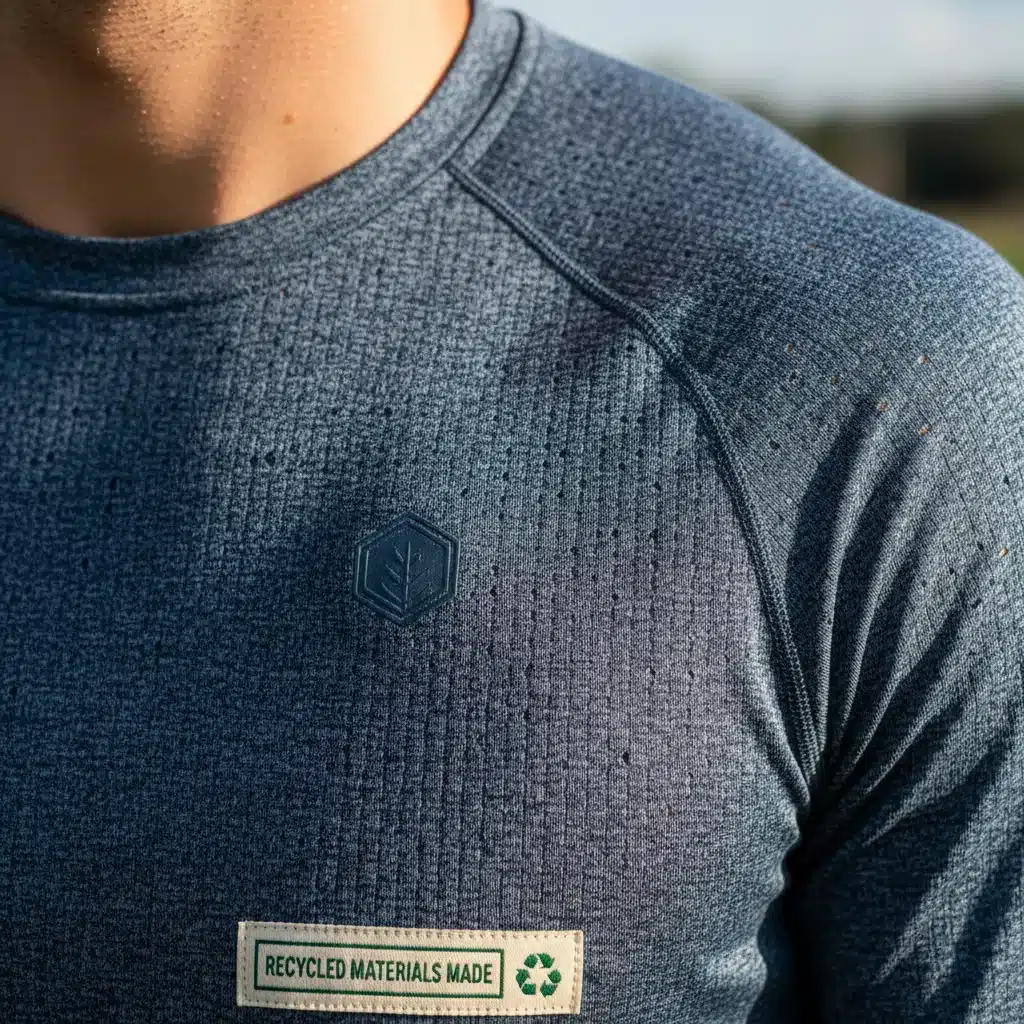
The use of recycled and upcycled materials is becoming ubiquitous in athleisure. Recycled polyester, often derived from plastic bottles, and recycled nylon, frequently sourced from discarded fishing nets, are now commonplace. These materials offer the same performance benefits as their virgin counterparts but with a significantly reduced environmental footprint. Brands are also experimenting with upcycled cotton scraps and innovative blends that incorporate agricultural waste. This commitment to circularity is transforming waste into valuable resources, embodying a truly sustainable approach to fashion manufacturing. The focus is on closing the loop and minimizing the demand for new raw materials.
Biodegradable and Bio-Based Fabrics
Looking ahead, the focus is shifting towards biodegradable and bio-based fabrics. Materials derived from natural sources like bamboo, organic cotton, hemp, and even algae and mushroom mycelium are gaining traction. These fabrics offer natural breathability, softness, and, crucially, the ability to decompose naturally at the end of their lifecycle, reducing landfill waste. While still more expensive to produce, advancements in processing and scaling are making these options more viable for mass production. The goal is to create garments that return to the earth without leaving a lasting environmental burden, a critical step in truly sustainable athleisure fashion trends.
Ethical Production and Supply Chains
Beyond materials, ethical production practices and transparent supply chains are paramount. Consumers want to know that their athleisure wear is made under fair labor conditions and that environmental standards are upheld throughout the manufacturing process. Brands are responding by investing in certifications like Fair Trade and GOTS (Global Organic Textile Standard), and by implementing blockchain technology to track products from raw material to finished garment. This level of transparency builds trust and empowers consumers to make informed choices, driving the industry towards a more responsible future. The entire lifecycle of an athleisure garment is now under scrutiny, from its inception to its disposal, making ethical considerations integral to its appeal.
3. Versatile Silhouettes: From Gym to Street Seamlessly
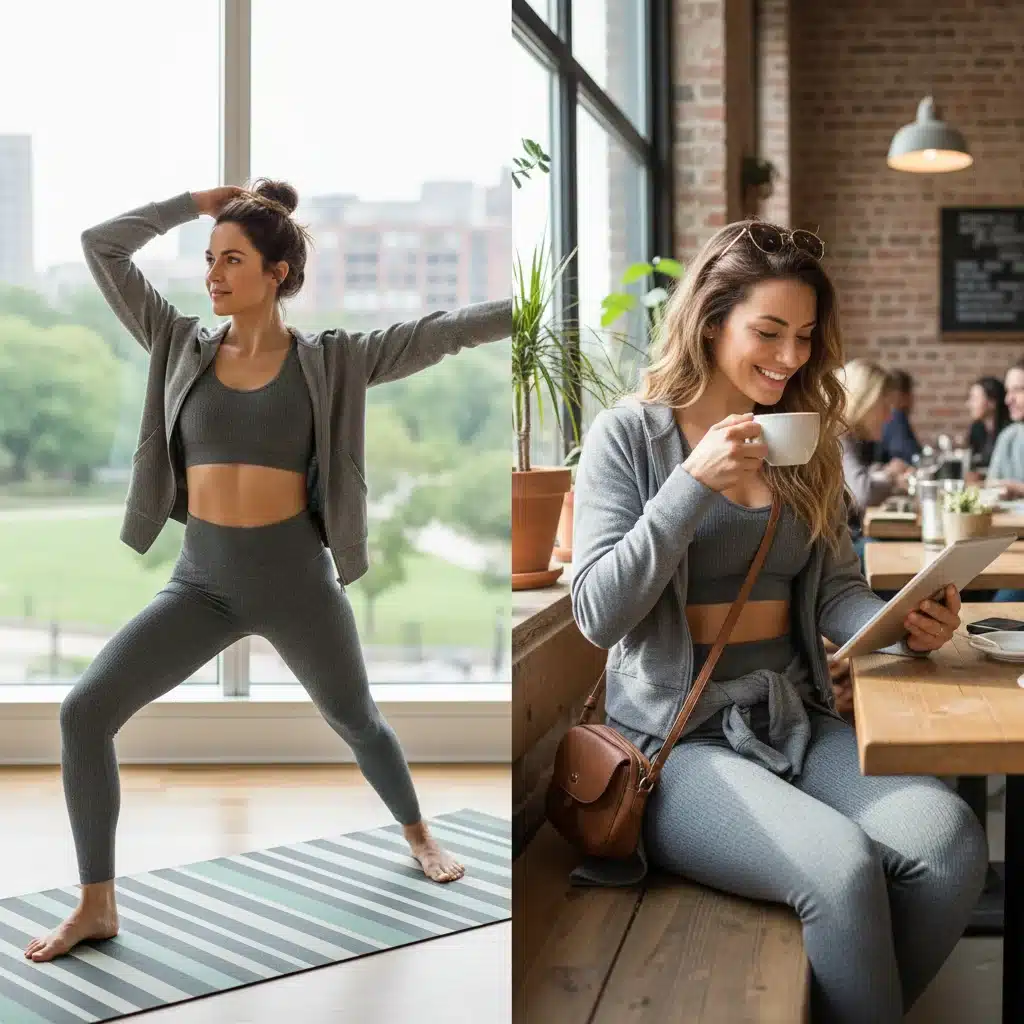
The essence of athleisure lies in its versatility. The athleisure fashion trends of 2026 will heavily emphasize silhouettes that transition effortlessly from an intense workout to a casual social gathering, without requiring a wardrobe change. This seamless integration is key to the modern, fast-paced lifestyle, where efficiency and style go hand-in-hand.
Modular and Convertible Designs
Modular and convertible designs are becoming increasingly popular. Think jackets with detachable sleeves that transform into vests, pants with adjustable hems that can go from a relaxed fit to a jogger, or tops that can be styled in multiple ways. These innovative designs maximize utility and extend the lifespan of a garment by offering multiple styling options. The ability to adapt a single piece of clothing to various activities and aesthetics is a powerful draw for consumers seeking efficiency and value in their purchases. This trend speaks to a desire for minimalism and a curated wardrobe that works harder.
Elevated Basics and Tailored Comfort
The concept of ‘elevated basics’ is central to this trend. While comfort remains paramount, sloppy fits are out. Instead, we’re seeing athleisure pieces with refined tailoring, structured lines, and sophisticated details that elevate them beyond typical gym wear. High-waisted leggings with subtle pleats, tailored joggers with crisp creases, and oversized blazers made from technical stretch fabrics are perfect examples. These pieces offer the comfort and flexibility of athletic wear but possess the polished aesthetic suitable for professional or semi-formal settings. The aim is to create clothing that feels like loungewear but looks like high fashion, blurring the boundaries even further.
Gender-Neutral and Inclusive Styles
Another significant aspect of versatile silhouettes is the move towards gender-neutral and inclusive designs. Many athleisure pieces are inherently unisex, and brands are increasingly designing collections that transcend traditional gender binaries. This approach not only broadens market appeal but also promotes a more inclusive and less restrictive view of fashion. Sizes are becoming more diverse, catering to a wider range of body types, ensuring that everyone can find comfortable and stylish athleisure wear. This inclusivity reflects a broader societal shift and reinforces the idea that comfort and style should be accessible to all.
4. The ‘Gorpcore’ Influence: Outdoor Performance Meets Urban Style
Gorpcore, a term derived from ‘Good Ol’ Raisins and Peanuts’ (a common trail mix), signifies the aesthetic where outdoor performance gear is adopted for everyday urban wear. This influence is profoundly shaping athleisure fashion trends, bringing rugged functionality and utilitarian aesthetics into the mainstream. It’s about embracing practicality, durability, and a connection to nature, even within city limits.
Technical Outerwear and Layering
Technical outerwear is a cornerstone of the Gorpcore influence. Waterproof and windproof jackets, often featuring multiple pockets, adjustable hoods, and reflective details, are no longer confined to hiking trails. They are becoming essential urban staples, layered over hoodies and t-shirts for both protection and style. The emphasis is on functionality – garments that can withstand unpredictable weather while offering supreme comfort and ease of movement. Think breathable membranes like Gore-Tex, durable ripstop fabrics, and lightweight insulation, all integrated into stylish designs that look as good in a coffee shop as they do on a mountain path.
Cargo Pockets and Utilitarian Details
Utilitarian details are making a strong comeback. Cargo pockets, once associated with baggy military pants, are now appearing on everything from joggers to vests and even dresses. These functional pockets add a practical element, allowing wearers to carry essentials without the need for a bag. Other utilitarian features include adjustable drawstrings, buckle closures, reinforced knees, and D-rings, all of which enhance the practical appeal of athleisure garments. This trend celebrates functionality and a ‘ready for anything’ attitude, echoing the preparedness associated with outdoor adventures.
Earth Tones and Natural Palettes
The Gorpcore aesthetic also dictates a particular color palette. Earth tones – think forest greens, muted browns, sandy beiges, and charcoal grays – dominate, reflecting the natural landscapes that inspire this trend. These colors are often complemented by pops of bright, functional hues like neon orange or electric blue, reminiscent of safety gear. This natural palette creates a sense of calm and groundedness, aligning with the broader trend of seeking connection with nature. It’s a departure from the vibrant, sometimes flashy, colors of traditional activewear, opting instead for a more understated yet impactful aesthetic that resonates with the outdoor spirit.
5. Personalized and Adaptive Athleisure: Tailored to You
The future of athleisure fashion trends is increasingly moving towards personalization and adaptability. Mass production is being complemented by technologies and design philosophies that allow for a more bespoke and responsive approach to clothing, catering to individual needs and preferences.
Customization and On-Demand Manufacturing
Advances in digital manufacturing, such as 3D printing and automated cutting, are paving the way for greater customization. Consumers will have more options to personalize their athleisure wear, from choosing specific fabric blends and colors to adjusting fit and adding unique design elements. Imagine ordering a pair of leggings precisely tailored to your body measurements or selecting a jacket with specific pocket configurations. On-demand manufacturing also reduces waste by producing only what is needed, aligning with sustainable practices. This shift empowers consumers to be co-creators in their wardrobe, fostering a stronger connection with their clothing.
Adaptive Design for Diverse Needs
Adaptive athleisure focuses on creating garments that cater to a broader spectrum of physical abilities and needs. This includes features like magnetic closures for ease of dressing, adjustable waistbands for varying body shapes, and fabrics with enhanced sensory properties for individuals with specific sensitivities. The goal is to make athleisure truly inclusive, ensuring that everyone can experience the comfort, functionality, and style it offers. This thoughtful approach to design underscores a commitment to universal accessibility in fashion, making athleisure a leader in this critical area of development.
Interactive and AI-Driven Sizing
To further enhance personalization, AI-driven sizing and virtual try-on technologies are becoming more sophisticated. Consumers can use smartphone apps to scan their bodies, receiving highly accurate size recommendations across different brands. Some platforms even offer virtual try-on experiences, allowing users to see how garments look and fit on their digital avatars before making a purchase. This reduces returns, improves customer satisfaction, and helps in making more informed purchasing decisions. The integration of AI into the shopping experience is a game-changer for personalized athleisure, ensuring a perfect fit every time.
Conclusion: The Enduring Influence of Athleisure
The evolution of athleisure is a testament to its enduring influence on contemporary fashion. The athleisure fashion trends of 2026 are characterized by a profound commitment to hyper-functional fabrics, eco-conscious comfort, versatile silhouettes, the rugged charm of Gorpcore, and personalized adaptive designs. These trends reflect a deeper cultural shift towards health, wellness, sustainability, and a desire for clothing that genuinely supports a dynamic, modern lifestyle.
As we move forward, athleisure will continue to push the boundaries of what casual wear can be. It’s more than just a style; it’s a philosophy that champions comfort, performance, and conscious consumption. Brands that embrace these evolving trends, prioritizing innovation, ethical practices, and customer-centric design, will be the ones that thrive. For consumers, the future promises a wardrobe that is not only stylish and comfortable but also intelligent, sustainable, and perfectly tailored to their individual needs.
Embracing these trends means investing in pieces that are built to last, perform under various conditions, and adapt to the diverse demands of daily life. It’s about building a wardrobe that is as versatile and resilient as you are, allowing you to seamlessly transition through your day with confidence and ease. The future of casual wear is here, and it’s decidedly athleisure.