Mastering Leftovers: Reduce Food Waste by 15% with Smart Weeknight Strategies
In a world increasingly focused on sustainability and efficiency, the issue of food waste stands out as a significant challenge. Globally, an astonishing one-third of all food produced for human consumption is lost or wasted. This isn’t just an environmental problem; it’s an economic one, costing households hundreds, if not thousands, of dollars annually. For many, the kitchen is where this battle is fought daily, especially during the chaotic weeknights when time is short and convenience often trumpets careful planning. But what if we told you that with a few smart strategies, you could significantly reduce food waste in your home, potentially by 15% or more, starting with your weeknight meals?
This comprehensive guide is designed to empower you with practical, actionable steps to transform your kitchen habits, minimize waste, and maximize your food budget. We’ll delve into everything from strategic meal planning and smart shopping to creative leftover transformations and optimal storage techniques. Our goal is to help you cultivate a more sustainable and economical approach to cooking and eating, making a tangible difference in your household and for the planet.
Understanding the Impact of Food Waste
Before we dive into solutions, it’s crucial to grasp the magnitude of the problem. Food waste isn’t merely about uneaten scraps; it encompasses the entire lifecycle of food, from production and transportation to consumption. When food is wasted, so are all the resources that went into producing it: water, land, energy, and labor. Moreover, discarded food often ends up in landfills, where it decomposes and releases methane, a potent greenhouse gas that contributes to climate change.
Consider the statistics: The average American household wastes about 32% of the food it buys, translating to roughly 20 pounds of food per person per month. This adds up to an annual cost of over $1,500 for a family of four. Imagine what you could do with that extra money! By learning to effectively reduce food waste, you’re not just saving money; you’re also lessening your environmental footprint and contributing to a more sustainable food system. Our focus here is on the controllable aspects within your home, particularly around weeknight meals, where hurried decisions and lack of planning often lead to significant waste.
The Foundation: Smart Meal Planning to Reduce Food Waste
The journey to significantly reduce food waste begins long before you even step into the kitchen. It starts with thoughtful and strategic meal planning. This isn’t about rigid schedules but about making informed choices that prevent overbuying and ensure ingredients are used efficiently.
1. Audit Your Fridge and Pantry Regularly
Before planning your meals or writing a grocery list, take stock of what you already have. This simple step can prevent duplicate purchases and inspire meals that utilize ingredients nearing their expiration. Make a list of items that need to be used soonest and build your meal plan around them. Think of it as a treasure hunt where the prize is saving money and preventing waste.
2. Plan Meals with Purpose
Instead of planning individual meals in isolation, think about how ingredients can be cross-utilized throughout the week. For example, if you roast a whole chicken on Monday, plan to use the leftover chicken for tacos on Tuesday and make a chicken salad for lunch on Wednesday. This ‘ingredient-forward’ approach ensures that every part of your purchase is maximized.
3. Be Realistic About Portions and Schedules
Overcooking is a common culprit of food waste. Plan portion sizes that accurately reflect your household’s needs. If you know you’ll have a busy weeknight, plan for quick-cooking meals or leverage leftovers from a previous night’s larger cooking session. Don’t plan elaborate meals for nights when you know you’ll be too tired to cook; this often leads to ordering takeout and letting planned ingredients spoil.
4. Create a Flexible Meal Plan
While planning is key, rigidity can be detrimental. Life happens, and sometimes plans change. Build flexibility into your meal plan. Have a ‘flex night’ or two where you can use up any remaining ingredients or pivot to a simpler meal if unexpected events arise. This adaptability will help you stay on track with your goal to reduce food waste.
Smart Shopping: Preventing Waste Before It Enters Your Home
Once your meal plan is solid, your shopping habits become the next critical area to address. Impulse buys, bulk purchases that exceed needs, and a lack of awareness about product lifespans all contribute to food waste.
1. Stick to Your Grocery List
This seems obvious, but it’s perhaps the most effective way to prevent overbuying. Your grocery list should be a direct reflection of your meal plan and pantry audit. Avoid buying items just because they’re on sale if you don’t have a plan to use them.
2. Understand ‘Best By’ vs. ‘Use By’ Dates
Many consumers mistakenly throw away perfectly good food due to confusion over date labels. ‘Best By’ or ‘Sell By’ dates indicate peak quality, not food safety. ‘Use By’ or ‘Expiration’ dates are more critical for perishable items. Educate yourself on these distinctions to avoid unnecessary waste.
3. Buy in Appropriate Quantities
While bulk buying can sometimes be economical, it only saves money if you actually use all the food before it spoils. For perishable items, consider whether you can realistically consume the larger quantity before it goes bad. If not, buying smaller amounts, even if slightly more expensive per unit, can still save you money by preventing waste.
4. Embrace Imperfect Produce
Many grocery stores and farmers’ markets now offer ‘ugly’ or ‘imperfect’ produce at a discount. These fruits and vegetables are perfectly nutritious and delicious but might have minor cosmetic flaws. By purchasing them, you help reduce waste at the farm level and often save money.
The Art of Leftovers: Transforming and Reimagining Meals
This is where the magic happens and where you can make a significant dent in your efforts to reduce food waste. Leftovers are not failures; they are opportunities for new, delicious, and often quicker meals.
1. Proper Storage is Paramount
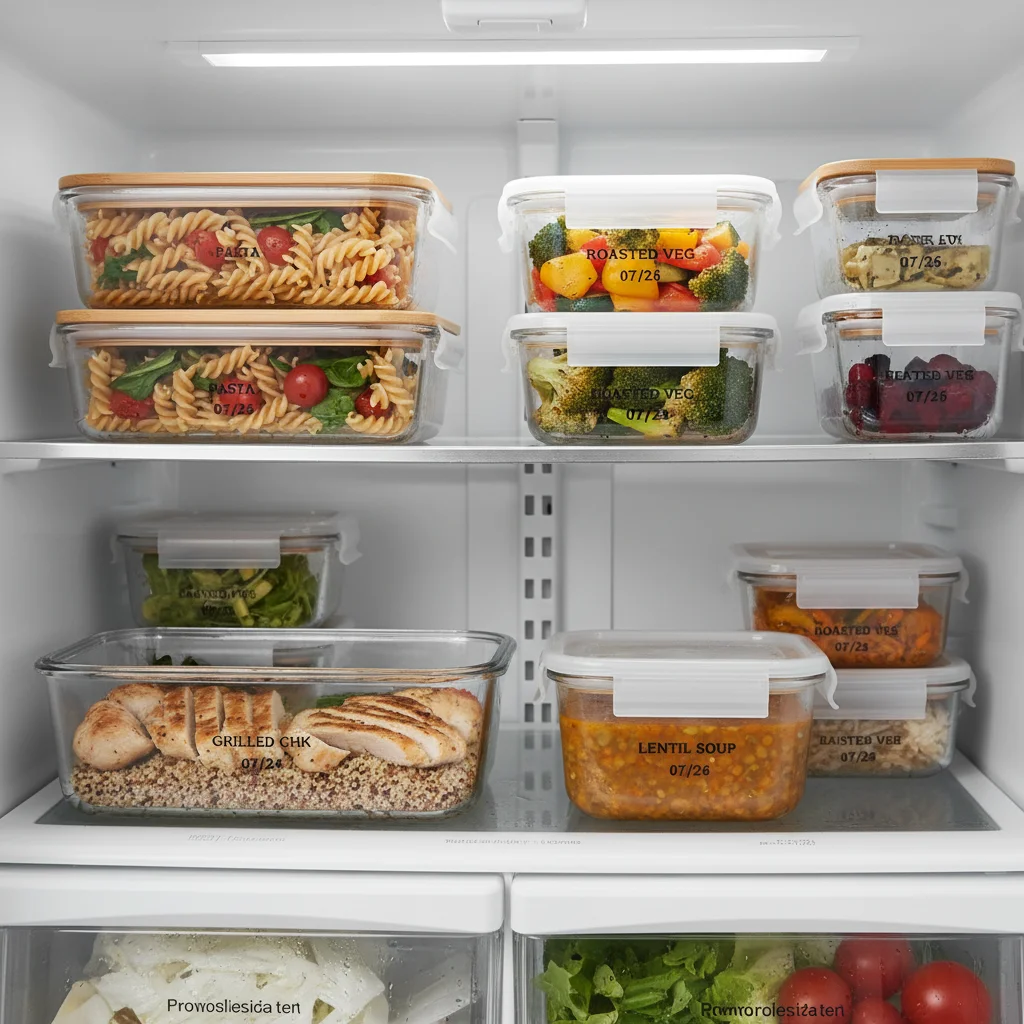
The first step to successful leftover management is proper storage. Invest in good quality, airtight containers. Label them with the contents and the date they were stored. This prevents forgotten food and ensures you use items before they spoil. Store leftovers in clear containers so you can easily see what’s inside.
2. Reimagining Leftovers: Beyond the Microwave
Don’t just reheat and repeat. Think creatively! A roast chicken from Sunday can become:
- Chicken Tacos or Quesadillas: Shred the chicken, warm it with some spices, and serve in tortillas with your favorite toppings.
- Chicken Fried Rice: Combine leftover rice, chicken, and any vegetables you have on hand for a quick and satisfying meal.
- Chicken Noodle Soup: Use the leftover chicken carcass to make a flavorful broth, then add shredded chicken, noodles, and vegetables.
- Chicken Salad Sandwiches or Wraps: Mix shredded chicken with mayonnaise, celery, and herbs for a light lunch.
Similarly, leftover roasted vegetables can be incorporated into:
- Frittatas or Omelets: A perfect breakfast, brunch, or light dinner.
- Pasta Sauces: Blend them into a rich, vegetable-packed sauce.
- Grain Bowls: Add them to quinoa, farro, or rice bowls with a protein and a flavorful dressing.
- Soups or Stews: A great way to add depth and nutrients.
3. The ‘Leftover Night’ Tradition
Designate one night a week as ‘Leftover Night.’ This is a fantastic way to clear out your fridge, ensure nothing goes to waste, and enjoy a variety of dishes without having to cook from scratch. It also reduces decision fatigue on a busy weeknight.
4. Freeze Smartly
Not all leftovers need to be eaten immediately. Many dishes freeze beautifully, extending their shelf life for weeks or even months. Soups, stews, casseroles, cooked grains, and even individual portions of cooked protein can be frozen. Ensure they are cooled completely before freezing and stored in freezer-safe containers or bags, again, clearly labeled with the contents and date.
Advanced Strategies for Zero Waste Kitchens
Once you’ve mastered the basics, you can take your efforts to reduce food waste even further with these advanced techniques.
1. Embrace Nose-to-Tail and Root-to-Stem Cooking
This philosophy encourages using every edible part of an ingredient. For example:
- Vegetable Scraps: Keep a bag in your freezer for vegetable scraps (onion peels, carrot tops, celery ends). Once full, use them to make a flavorful homemade vegetable broth.
- Broccoli Stems: Don’t discard them! Peel and finely chop them for stir-fries, slaws, or roast them along with the florets.
- Citrus Peels: Zest them for flavor, or candy them for a sweet treat. They can also be used to make infused oils or vinegars.
- Stale Bread: Turn it into croutons, breadcrumbs, or a delicious bread pudding.
2. Fermentation and Pickling
These ancient preservation methods are making a comeback. Fermenting vegetables like cabbage (sauerkraut) or cucumbers (pickles) not only extends their shelf life but also adds beneficial probiotics to your diet. It’s an excellent way to save produce that’s abundant or nearing its end.
3. Composting
Despite all your best efforts, some food waste is inevitable (e.g., banana peels, coffee grounds, eggshells). Composting transforms these organic materials into nutrient-rich soil, diverting them from landfills and enriching your garden. Many communities offer composting programs, or you can start a backyard compost pile.
4. Batch Cooking and Meal Prepping
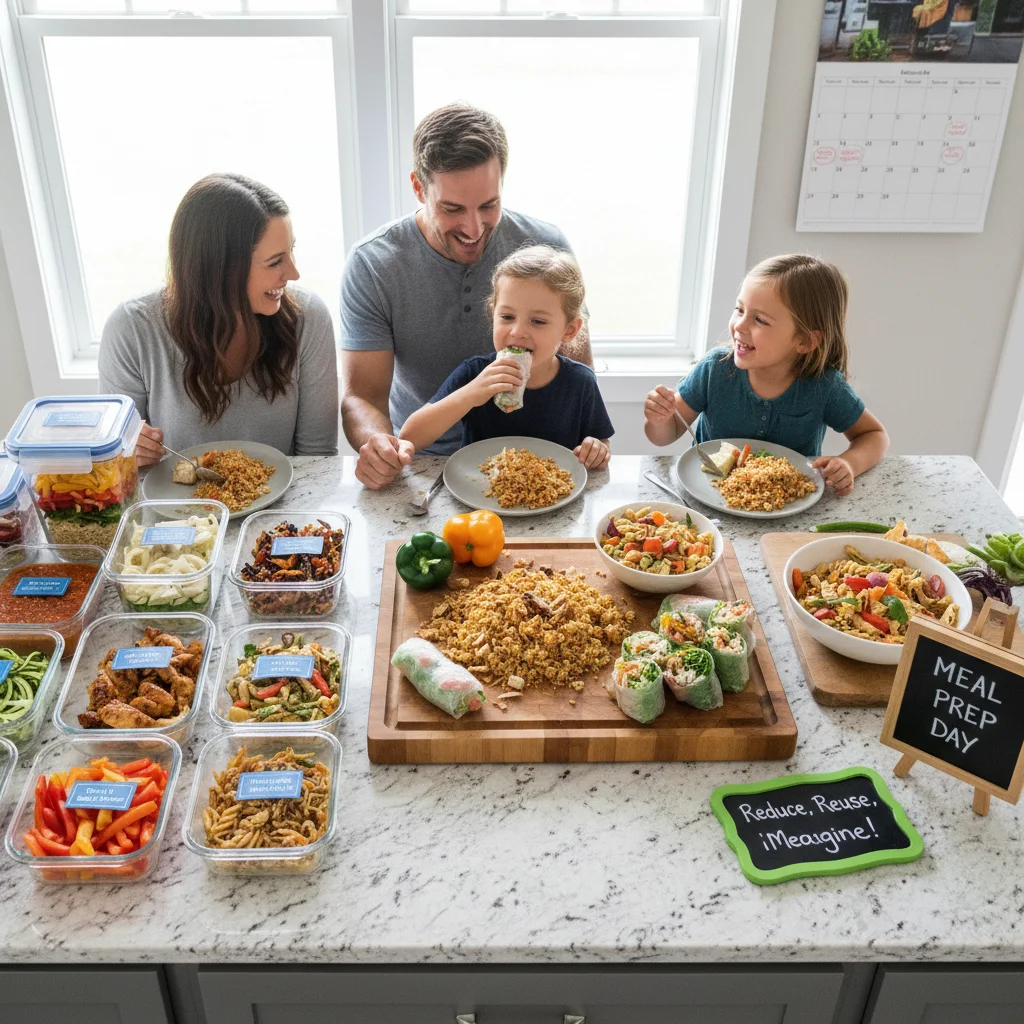
Dedicate a few hours on a weekend to prepare components for several meals. This could involve chopping vegetables, cooking grains, or pre-cooking proteins. Having these building blocks ready makes weeknight meal assembly quick and easy, reducing the likelihood of reaching for takeout and letting fresh ingredients go bad.

Tools and Resources to Aid Your Efforts
Having the right tools and knowing where to find inspiration can significantly boost your success in reducing food waste.
Essential Kitchen Tools:
- Airtight Containers: Glass containers are excellent as they are microwave-safe, oven-safe, and don’t stain or retain odors.
- Freezer Bags/Containers: Specifically designed for freezing, preventing freezer burn.
- Vacuum Sealer: Extends the shelf life of many foods significantly by removing air.
- Food Scale: Helps with accurate portioning and recipe adherence.
- Blender/Food Processor: Perfect for turning sad-looking produce into smoothies, soups, or sauces.
Helpful Apps and Websites:
- Recipe Apps for Leftovers: Apps like ‘SuperCook’ or ‘BigOven’ allow you to input ingredients you have on hand and suggest recipes.
- Meal Planning Apps: Many apps can help you organize your meal plan and grocery list, some even integrating with pantry inventories.
- Food Waste Tracking Apps: Some apps help you track what you’re throwing away, providing insights into your personal waste patterns.
- USDA FoodKeeper App: Provides storage advice for thousands of food and beverage items, helping you maximize their shelf life.
Overcoming Common Challenges
Changing habits takes time and effort. You might encounter some hurdles, but with perseverance, you can overcome them.
Challenge 1: Lack of Time
Solution: Prioritize meal planning and batch cooking. Even 30 minutes of planning on a Sunday can save hours during the week. Opt for quick leftover transformations that require minimal effort.
Challenge 2: Picky Eaters
Solution: Involve family members in the meal planning process. Disguise vegetables in sauces or smoothies. Rebrand leftovers creatively (e.g., ‘Pizza Night’ using leftover chicken and veggies on a flatbread base). Start small with subtle changes.
Challenge 3: Forgetting What’s in the Fridge
Solution: Implement a ‘first in, first out’ (FIFO) system. Organize your fridge so older items are at the front. Use clear containers and label everything. Consider a whiteboard on your fridge to list items that need to be used soon.
Challenge 4: Feeling Overwhelmed
Solution: Start with one or two strategies at a time. Don’t try to overhaul everything at once. Begin with something simple, like consistently using airtight containers or planning one ‘leftover night’ a week. Celebrate small victories to build momentum.
The Ripple Effect: Beyond Your Kitchen
Your efforts to reduce food waste extend beyond your own household. By adopting these practices, you become a more conscious consumer, sending a signal to food producers and retailers about the demand for sustainable practices. You also set an example for your family and community, inspiring others to adopt similar habits.
Furthermore, reducing food waste has a direct positive impact on global food security. When less food is wasted, more resources are available to feed the hungry and address malnutrition. It’s a powerful way to contribute to a more equitable and sustainable world.
Conclusion: A Sustainable Future, One Meal at a Time
Achieving a 15% reduction in food waste on weeknights, and potentially much more overall, is an ambitious yet entirely attainable goal. It requires a shift in mindset, a bit of planning, and a willingness to get creative in the kitchen. By implementing smart meal planning, conscious shopping, effective storage, and imaginative leftover transformations, you can make a significant difference.
Not only will you save money and reduce your environmental footprint, but you’ll also discover new culinary skills and appreciate your food more fully. Embrace these strategies, and watch as your kitchen transforms into a hub of efficiency, sustainability, and delicious innovation. Start today, and be a part of the solution to reduce food waste for a healthier planet and a more prosperous household.