Fall Layering Techniques: Master Your Autumn Style for 2026
Fall Layering Techniques: Master Your Autumn Style for 2026
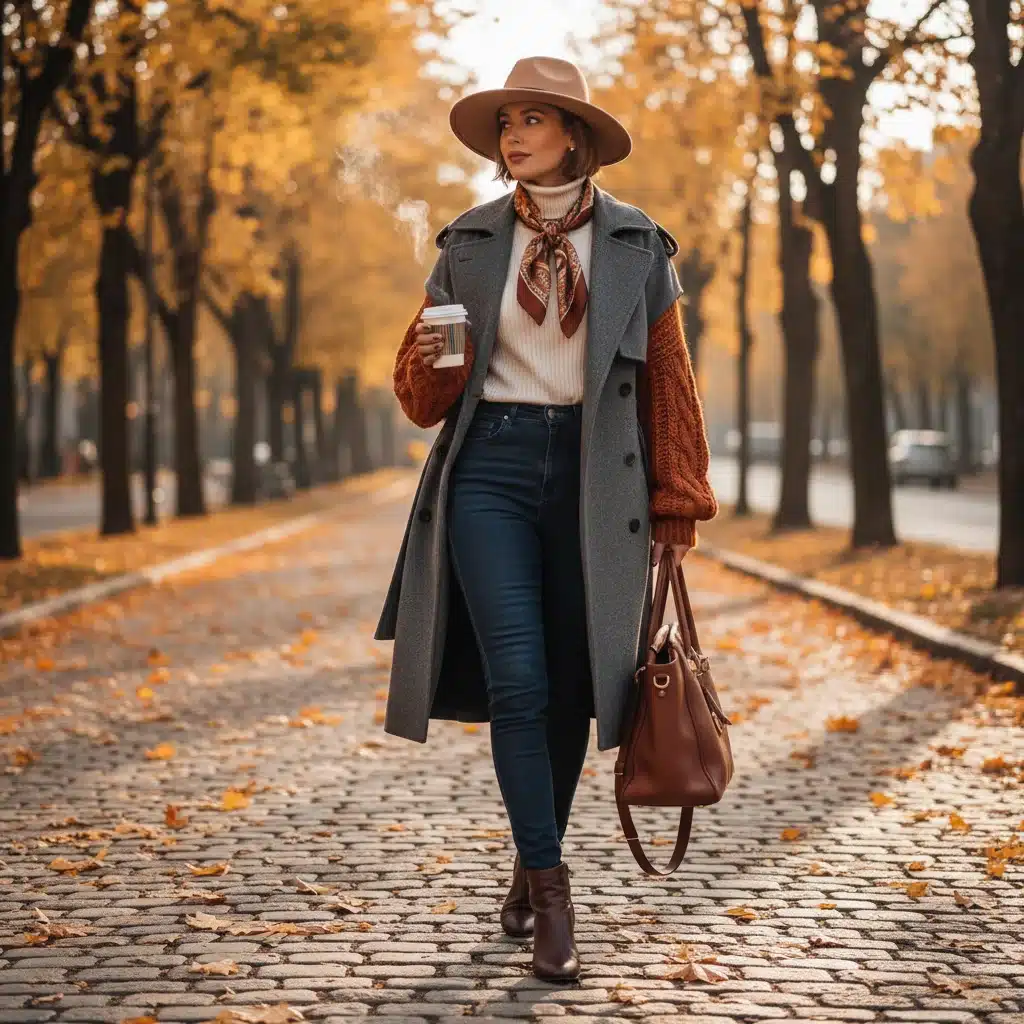
As the leaves begin to turn and a crisp chill fills the air, it’s time to embrace the art of autumn dressing. Fall fashion is synonymous with comfort, warmth, and undeniable style, and at the heart of it all lies mastering effective fall layering techniques. Layering isn’t just about piling on clothes; it’s a strategic approach to creating versatile, chic, and temperature-adaptable outfits that see you through fluctuating autumn weather. For Fall 2026, we’re focusing on smart, functional, and fashionable layering that will elevate your everyday looks and keep you cozy from morning frost to evening chill.
Why is mastering fall layering techniques so crucial? Beyond the aesthetic appeal, layering offers practical benefits. It allows you to adjust your comfort level throughout the day as temperatures shift. A cool morning might require a full ensemble, while a warmer afternoon could call for shedding a layer or two. Furthermore, layering adds depth, texture, and visual interest to your outfits, transforming simple pieces into a cohesive and stylish statement. This guide will walk you through three simple yet powerful techniques to perfect your fall wardrobe, ensuring you’re always prepared and impeccably dressed for the season ahead.
Advertisements
The Foundation: Understanding Your Base Layers for Optimal Fall Layering Techniques
Every great layered outfit begins with a strong foundation. The base layer is the piece closest to your skin, and its primary role is comfort and temperature regulation. When it comes to effective fall layering techniques, selecting the right base layer is paramount. It should be relatively thin, breathable, and comfortable against your skin. Avoid anything too bulky or restrictive, as this will make adding subsequent layers uncomfortable.
Choosing the Right Fabrics for Base Layers
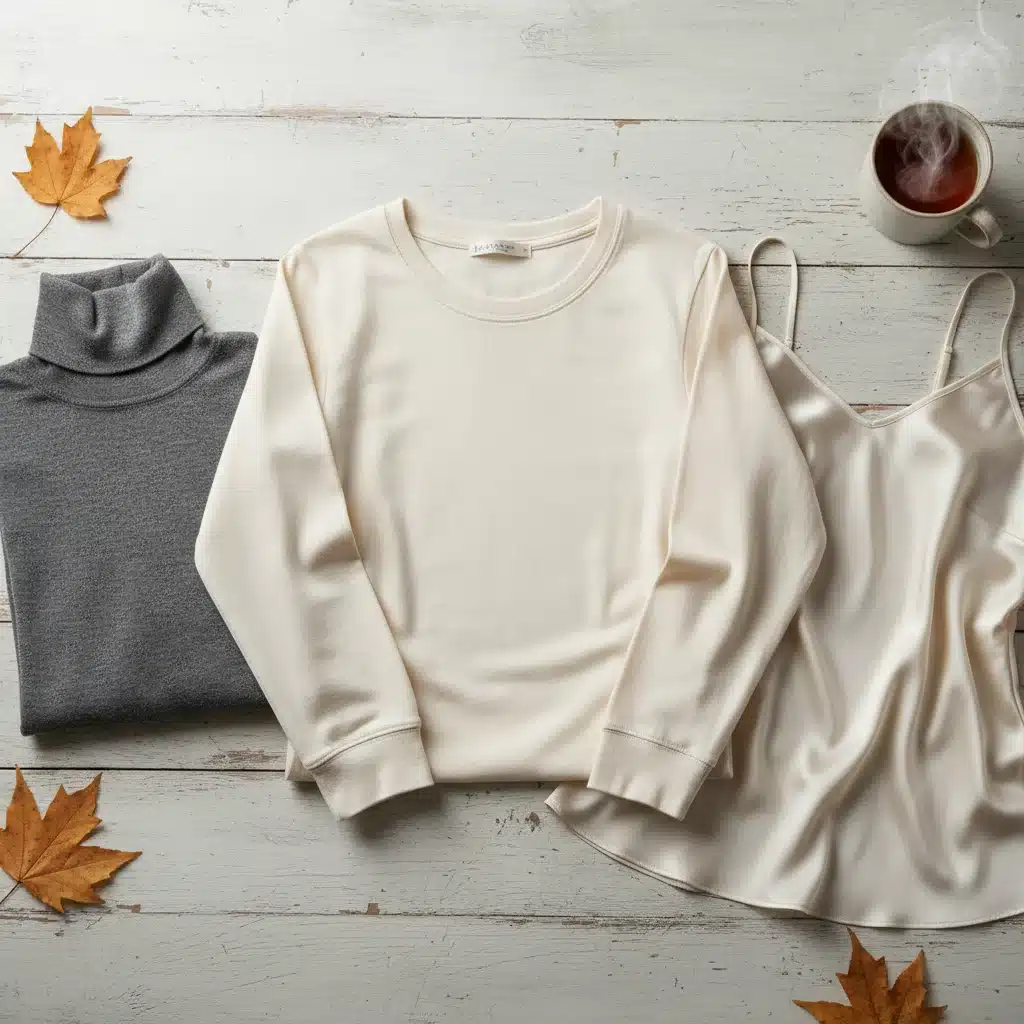
- Merino Wool: A true superstar for fall. Merino wool is incredibly soft, lightweight, breathable, and excellent at regulating body temperature. It wicks away moisture, keeping you dry, and is naturally odor-resistant, making it perfect for all-day wear. Opt for thin merino wool turtlenecks, long-sleeve tops, or even camisoles.
- Cotton: While comfortable, cotton can absorb moisture and stay wet, which might make you feel colder if you sweat. However, for less active days or as a casual base, a thin cotton long-sleeve tee or a simple t-shirt works well. Look for high-quality, soft cotton blends.
- Silk: Luxurious and surprisingly warm for its weight, silk is an excellent choice for a refined base layer. Silk camisoles or thin long-sleeve tops add a touch of elegance and provide a smooth, frictionless layer under other garments.
- Modal/Tencel: These semi-synthetic fibers are known for their incredible softness, drape, and breathability. They feel wonderful against the skin and are a great alternative if you prefer plant-based options.
Styling Your Base Layer
Your base layer can be more than just a functional piece; it can also be a stylish element of your outfit. A fitted turtleneck in a rich autumnal hue (think burgundy, forest green, or mustard yellow) can peek out from under a sweater or jacket, adding a pop of color and sophistication. A simple white or black long-sleeve tee provides a clean canvas for more intricate layers above. When perfecting your fall layering techniques, remember that the base layer should fit snugly but not be too tight, allowing for ease of movement and preventing bulk.
Consider the neckline as well. A crew neck is classic, a V-neck can be flattering, and a turtleneck offers extra warmth and a chic aesthetic. Don’t underestimate the power of a well-chosen base layer – it sets the tone for your entire layered look and ensures comfort throughout the day.
The Core: Mastering Mid-Layers for Texture and Warmth
Once your base layer is in place, it’s time to introduce the mid-layer. This is where you add significant warmth and begin to build visual interest through texture and color. The mid-layer is often the most versatile component in your fall layering techniques arsenal, allowing for endless combinations and style expressions. Think of it as the heart of your outfit, providing the bulk of the warmth and often being the piece you might remove indoors.
Popular Mid-Layer Options
- Sweaters and Cardigans: These are the quintessential fall mid-layers. From chunky knit cardigans to fine-gauge cashmere pullovers, sweaters offer a vast range of textures and warmth levels. Experiment with different necklines (crew, V-neck, cowl neck) and fits (oversized, fitted). A classic cable-knit sweater over a collared shirt is a timeless fall look.
- Vests: A fantastic option for adding warmth to your core without restricting arm movement. Puffer vests, quilted vests, or even tailored wool vests can add a sporty, casual, or sophisticated touch. They’re excellent for transitional weather when a full jacket might be too much.
- Blazers and Jackets (Lightweight): A tailored blazer can instantly elevate a casual base layer. Think of a tweed, corduroy, or flannel blazer for added texture. Denim jackets or utility jackets also serve as excellent mid-layers, providing a touch of casual cool. These work well when you need a bit more structure than a sweater.
- Flannel Shirts: The ultimate symbol of autumn comfort. A soft flannel shirt worn open over a t-shirt, or buttoned up over a thin turtleneck, adds a rustic yet stylish element. They come in a myriad of patterns, especially plaids, which are perfect for fall.
Creating Visual Interest with Mid-Layers
The mid-layer is your opportunity to play with different textures and patterns. Combine a smooth silk base with a chunky knit cardigan, or a fine-gauge merino turtleneck with a tweed blazer. This contrast in textures is a hallmark of sophisticated fall layering techniques. Don’t be afraid to mix patterns, as long as they share a common color palette or have varying scales to prevent them from clashing.
Color is another powerful tool. You can opt for a monochromatic look with varying shades of the same color, or introduce complementary colors to create dynamic outfits. For instance, a neutral base layer (cream, black, grey) allows you to experiment with bolder colors or patterns in your mid-layer. The key is to ensure each piece contributes to the overall aesthetic without overwhelming it. The mid-layer should be substantial enough to provide warmth but not so bulky that it restricts the addition of an outer layer, if needed.
The Finish: Outerwear and Accessories for Polished Fall Layering Techniques
The final layer, your outerwear, is often the first thing people see, making it crucial for completing your layered look. This layer provides the most protection against the elements and ties your entire outfit together. Along with outerwear, accessories play a vital role in perfecting your fall layering techniques, adding personality, warmth, and a touch of polish.
Choosing the Right Outerwear
- Coats: For colder days, a well-chosen coat is indispensable. Trench coats are perfect for transitional weather and add instant sophistication. Wool coats (pea coats, topcoats, overcoats) offer significant warmth and come in various styles, from classic to contemporary. Puffer coats are excellent for extreme cold and bring a sporty, modern vibe.
- Jackets: Beyond blazers and denim jackets used as mid-layers, consider heavier jackets as your final layer. Leather jackets add an edgy touch, while parkas provide serious warmth and protection. A stylish bomber jacket can bridge the gap between casual and smart.
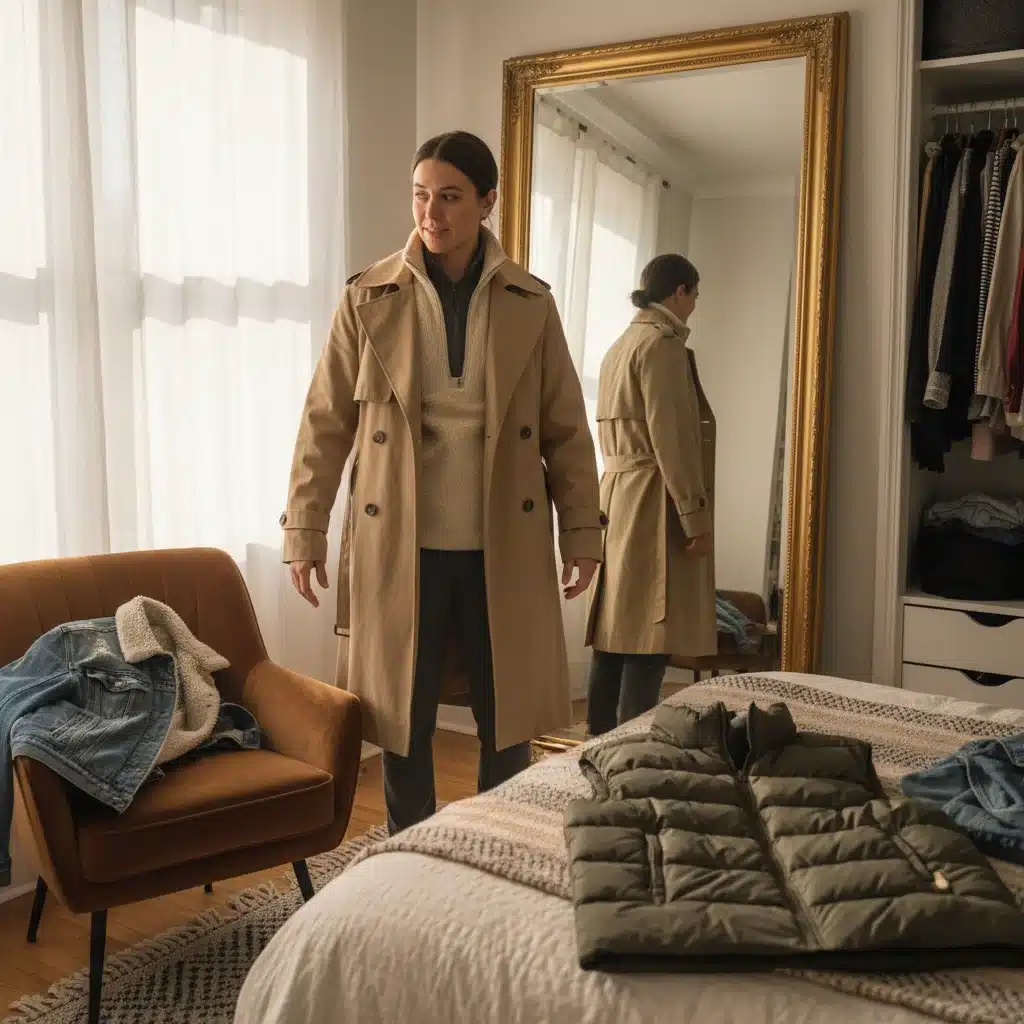
When selecting outerwear, consider the fit. It should be roomy enough to accommodate your base and mid-layers comfortably without feeling tight or restrictive. The length of your outerwear can also dramatically change the silhouette of your outfit. A long trench coat over shorter layers creates an elegant line, while a cropped jacket can highlight your waist.
The Power of Accessories in Fall Layering
Accessories are the unsung heroes of effective fall layering techniques. They not only add warmth but also inject personality and complete your look.
- Scarves: A versatile accessory that can add color, texture, and warmth. From chunky knit scarves to delicate silk squares, they can be draped, tied, or wrapped in countless ways.
- Hats: Beanies, fedoras, wide-brimmed hats – hats are both functional and fashionable. They keep your head warm and can instantly elevate an outfit.
- Gloves/Mittens: Essential for chilly days, gloves come in various materials like leather, wool, or cashmere, offering both warmth and style.
- Belts: A belt can define your waist over bulkier layers, creating a more flattering silhouette. Cinch a cardigan or a coat with a stylish belt to add structure.
- Footwear: Boots are a fall staple. Ankle boots, knee-high boots, or even stylish sneakers can significantly impact the overall feel of your layered outfit. Ensure your footwear is practical for the weather while complementing your style.
Bringing It All Together: The Art of Proportions and Balance
When applying these fall layering techniques, remember the importance of proportion and balance. Avoid making your silhouette too bulky. If you have a voluminous top layer, balance it with slimmer bottoms (e.g., skinny jeans or tailored trousers). Conversely, if you wear a fitted top, you might opt for wider-leg pants or a flowy skirt. Play with varying lengths – a longer tunic base layer peeking out from under a shorter sweater and an even longer coat creates visual interest and depth.
Another tip is to consider the “rule of three.” While not a strict rule, aiming for three visible layers (e.g., shirt, sweater, jacket) often creates a balanced and interesting look without feeling overdone. However, feel free to experiment and find what works best for your personal style and the climate you’re in.
Advanced Fall Layering Techniques: Beyond the Basics
Once you’ve mastered the foundational base, mid, and outer layers, you can delve into more advanced fall layering techniques to truly refine your autumn wardrobe for 2026. These strategies involve thoughtful combinations and an eye for detail.
Playing with Silhouettes and Lengths
Don’t be afraid to mix and match different lengths. A long, flowing tunic under a cropped sweater, topped with a longline coat, creates an intriguing play on proportions. This technique adds dynamic visual interest and prevents your outfit from looking flat. Consider how each layer’s hemline interacts with the others. For example, a shirt that’s slightly longer than your sweater can add a casual, yet put-together vibe.
Monochromatic Layering
For a sophisticated and chic look, try monochromatic layering. This involves layering different shades and textures of the same color. For instance, a cream silk camisole, a beige cashmere sweater, and a camel wool coat create a rich, cohesive, and incredibly elegant ensemble. This technique allows the textures of each garment to shine, adding depth without relying on contrasting colors.
Texture Play: The Ultimate Fall Layering Technique
Fall is the perfect season to indulge in texture. Combine different tactile sensations to create a visually rich outfit. Think about pairing a smooth silk base with a chunky knit, then adding a structured leather jacket. Or, a soft merino wool turtleneck with a corduroy blazer and a tweed coat. The contrast between soft, rough, smooth, and nubby textures makes an outfit feel luxurious and well-thought-out. This is one of the most effective fall layering techniques for adding dimension.
Layering Under Dresses and Skirts
Extend the life of your summer dresses and skirts by layering them for fall. Wear a thin turtleneck or a long-sleeve tee underneath a slip dress or a sleeveless midi dress. Pair skirts with tights or leggings for warmth, and top them with sweaters or blazers. This not only makes your wardrobe more versatile but also creates unique and stylish fall outfits.
The Rule of Thinner Layers
Instead of one very thick layer, opt for several thinner ones. This provides better insulation and allows for more precise temperature control. It also creates a more streamlined silhouette, preventing your outfit from looking bulky. For example, a thin thermal base, a fine-gauge knit, and a medium-weight cardigan will often be warmer and more comfortable than a single very thick sweater.
Essential Tips for Mastering Fall Layering Techniques in 2026
To ensure your fall layering techniques are always on point, keep these practical tips in mind:
- Invest in Quality Basics: High-quality base layers and versatile mid-layers will form the backbone of your fall wardrobe. They will last longer and provide better comfort and warmth.
- Consider Your Lifestyle: Tailor your layers to your daily activities. If you commute on public transport, you’ll need layers you can easily shed. If you spend a lot of time outdoors, prioritize warmth and weather resistance.
- Don’t Forget the Innerwear: Thermal underwear can be a game-changer on truly cold days, providing an invisible layer of warmth without adding bulk to your visible outfit.
- Balance Volume: If one layer is particularly voluminous (e.g., an oversized sweater), balance it with more fitted pieces elsewhere in your outfit to maintain a flattering silhouette.
- Practice Makes Perfect: Experiment with different combinations in front of a mirror. Take photos to see what works and what doesn’t. You’ll soon develop an intuitive sense for effective layering.
- Pay Attention to Color Harmony: While mixing colors can be fun, ensure your chosen palette is harmonious. Neutrals are always a safe bet, but don’t shy away from incorporating rich autumnal tones like deep reds, burnt oranges, forest greens, and mustard yellows.
- Comfort is Key: No matter how stylish an outfit looks, if it’s uncomfortable, you won’t feel good in it. Ensure all your layers allow for freedom of movement and don’t feel scratchy or restrictive.
Conclusion: Embrace the Art of Fall Layering Techniques
Mastering fall layering techniques is more than just a fashion trend; it’s a practical skill that empowers you to navigate the unpredictable autumn weather with grace and style. By understanding the roles of base, mid, and outer layers, experimenting with textures and proportions, and utilizing the power of accessories, you can create a diverse wardrobe that is both functional and fashion-forward for Fall 2026.
Remember, fashion should be fun and expressive. Don’t be afraid to experiment, mix and match, and find what truly resonates with your personal style. With these simple yet effective techniques, you’re well-equipped to build stunning fall outfits that keep you warm, comfortable, and effortlessly chic throughout the season. So, go ahead, embrace the crisp air, and layer up with confidence!