Supply Chain Shifts & Fashion Pricing 2026: Smart Shopping Guide
The Impact of Supply Chain Shifts on Fashion Pricing: What You Need to Know for Smart Shopping in 2026
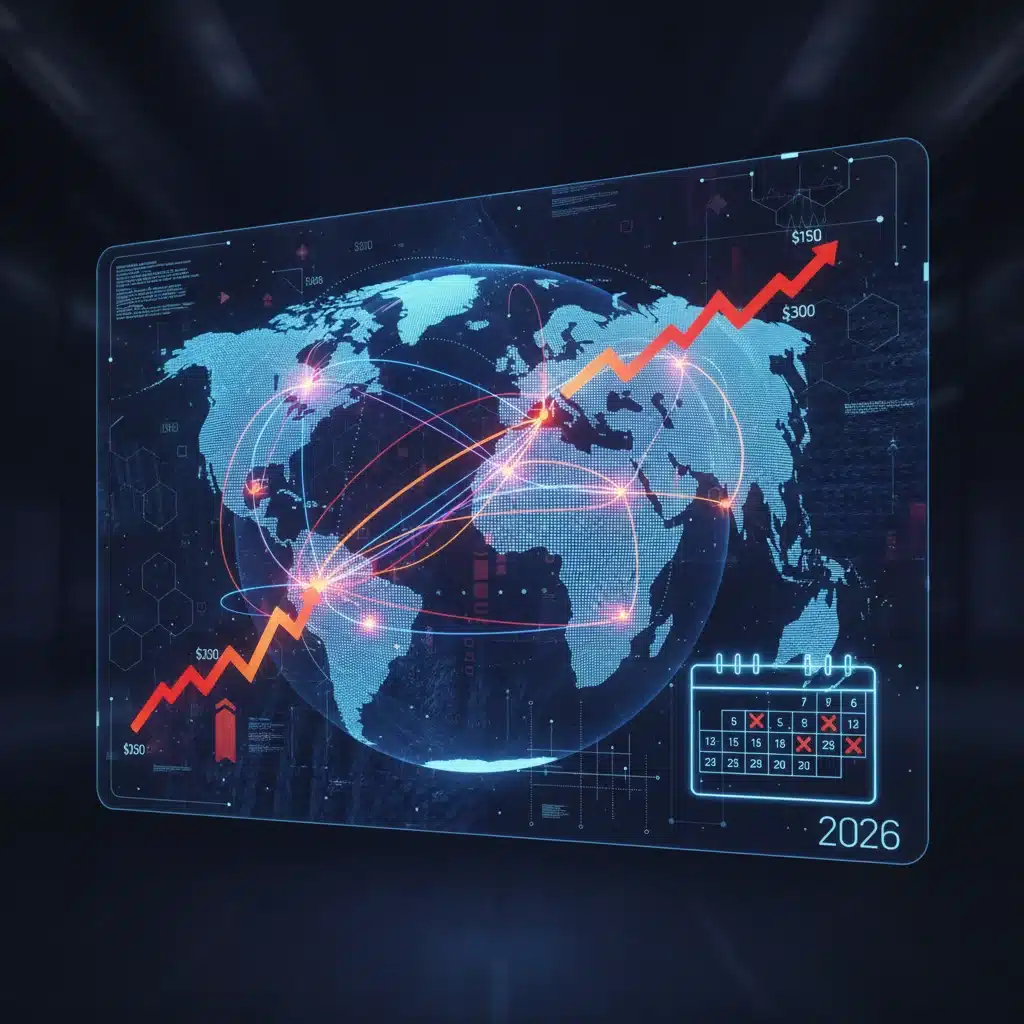
The world of fashion is ever-evolving, not just in terms of style and trends, but also in the intricate mechanisms that bring clothes from concept to closet. As we look towards 2026, one of the most critical factors influencing what we wear and how much we pay for it will be the ongoing transformations within the global supply chain. The fashion supply chain 2026 is set to be a landscape of both challenges and opportunities, directly impacting pricing strategies and, consequently, your wallet. Understanding these shifts is paramount for any savvy shopper aiming to make informed and economical choices.
For years, the fashion industry thrived on a model of globalized production, often prioritizing cost-efficiency above all else. This led to complex networks spanning continents, with raw materials sourced in one region, manufactured in another, and sold in yet another. While this model delivered affordable fashion to the masses, it also revealed its vulnerabilities during recent global disruptions. Now, with a clearer vision of potential future hurdles, the industry is recalibrating, leading to shifts that will inevitably ripple down to the price tags you see in stores.
Advertisements
This comprehensive guide will delve deep into the predicted changes in the fashion supply chain 2026. We’ll explore the key drivers behind these shifts, analyze their potential impact on fashion pricing, and arm you with practical strategies for smart shopping. By the end of this article, you’ll be better equipped to navigate the future retail landscape, ensuring your style doesn’t have to break the bank.
Understanding the Evolving Fashion Supply Chain in 2026
The traditional fashion supply chain, characterized by its linear, globalized, and often opaque structure, is undergoing a profound metamorphosis. Several interconnected factors are driving this evolution, each playing a significant role in reshaping how garments are produced, transported, and priced.
Geopolitical Shifts and Trade Policies
Geopolitical tensions and shifting trade policies are perhaps the most significant disruptors. The push for reshoring or nearshoring production, driven by desires for greater national security, reduced reliance on specific regions, and shorter lead times, is gaining momentum. This means that manufacturing, which was once predominantly concentrated in a few Asian countries, is starting to diversify. While this can offer benefits like increased agility and reduced shipping costs over long distances, it also often comes with higher labor and operational costs in new locations. Tariffs and trade agreements, constantly in flux, also directly influence the cost of importing and exporting goods, adding layers of complexity and potential expense to the fashion supply chain 2026.
Technological Advancements and Automation
Technology is a double-edged sword in this scenario. On one hand, advancements in automation, artificial intelligence, and data analytics are making supply chains more efficient and resilient. Smart factories, predictive analytics for demand forecasting, and optimized logistics routes can reduce waste and improve delivery times. On the other hand, the initial investment in these technologies can be substantial, and the skilled labor required to operate them may command higher wages. These factors will influence production costs and, subsequently, retail prices.

Sustainability and Ethical Sourcing Demands
Consumer demand for sustainable and ethically produced fashion is no longer a niche concern; it’s a mainstream expectation. This pressure is forcing brands to re-evaluate their entire supply chain, from raw material sourcing to manufacturing processes and waste management. Sustainable practices often involve higher costs – whether it’s investing in organic materials, fair labor practices, or eco-friendly dyes and production methods. While these efforts are crucial for the planet and people, they undeniably contribute to an increased cost of goods, which is likely to be reflected in higher prices for consumers in 2026.
Logistics and Transportation Challenges
The global logistics network has been under immense strain, experiencing everything from port congestion and labor shortages to rising fuel costs. These challenges are not expected to disappear entirely by 2026. The cost of shipping, whether by sea, air, or land, remains a significant component of the final product price. Brands are exploring alternative transportation methods and optimizing their distribution networks, but these solutions often come with their own set of costs that will factor into the overall pricing structure of fashion items.
How These Shifts Will Impact Fashion Pricing in 2026
The cumulative effect of these supply chain transformations will manifest in various ways on the price tags you encounter. It’s not a simple case of all prices going up; rather, it will be a nuanced landscape where certain categories and brands are affected differently.
Potential for Increased Prices Across the Board
The most immediate and widespread impact is the potential for a general increase in fashion prices. Higher manufacturing costs due to reshoring, increased labor expenses, investments in technology, and the premium associated with sustainable materials and ethical production will all contribute to a higher base cost for brands. These costs will inevitably be passed on to consumers to maintain profit margins. Therefore, expect to see a gradual upward trend in prices for many fashion items, especially those from brands committed to ethical and sustainable practices.
Greater Price Volatility
The fashion supply chain 2026 will likely be more resilient but also more prone to localized disruptions. Extreme weather events, regional conflicts, or sudden policy changes could lead to short-term price spikes for specific materials or finished goods. This means consumers might experience greater price volatility, with the cost of certain items fluctuating more frequently than in the past. Keeping an eye on global events and understanding their potential impact on specific fashion categories will become a valuable skill for smart shoppers.
Premium for Sustainable and Ethical Brands
While the demand for sustainable fashion is growing, the cost of producing it remains higher. Brands that genuinely commit to eco-friendly materials, fair wages, and transparent supply chains will likely position themselves at a higher price point. Consumers who prioritize these values will need to be prepared to pay a premium. This isn’t necessarily a negative, as it reflects the true cost of responsible production, but it’s a critical consideration for budgeting.
Value in ‘Nearshored’ or ‘Reshored’ Products
Paradoxically, while reshoring can increase initial production costs, it can also lead to more stable pricing due to reduced shipping times and lower exposure to international logistics disruptions. Brands that successfully implement nearshoring or reshoring strategies might be able to offer more competitive and consistent pricing for certain product lines, especially if they achieve economies of scale in their new production locations. This could create a new ‘value’ proposition for domestically produced goods.
Impact on Fast Fashion vs. Slow Fashion
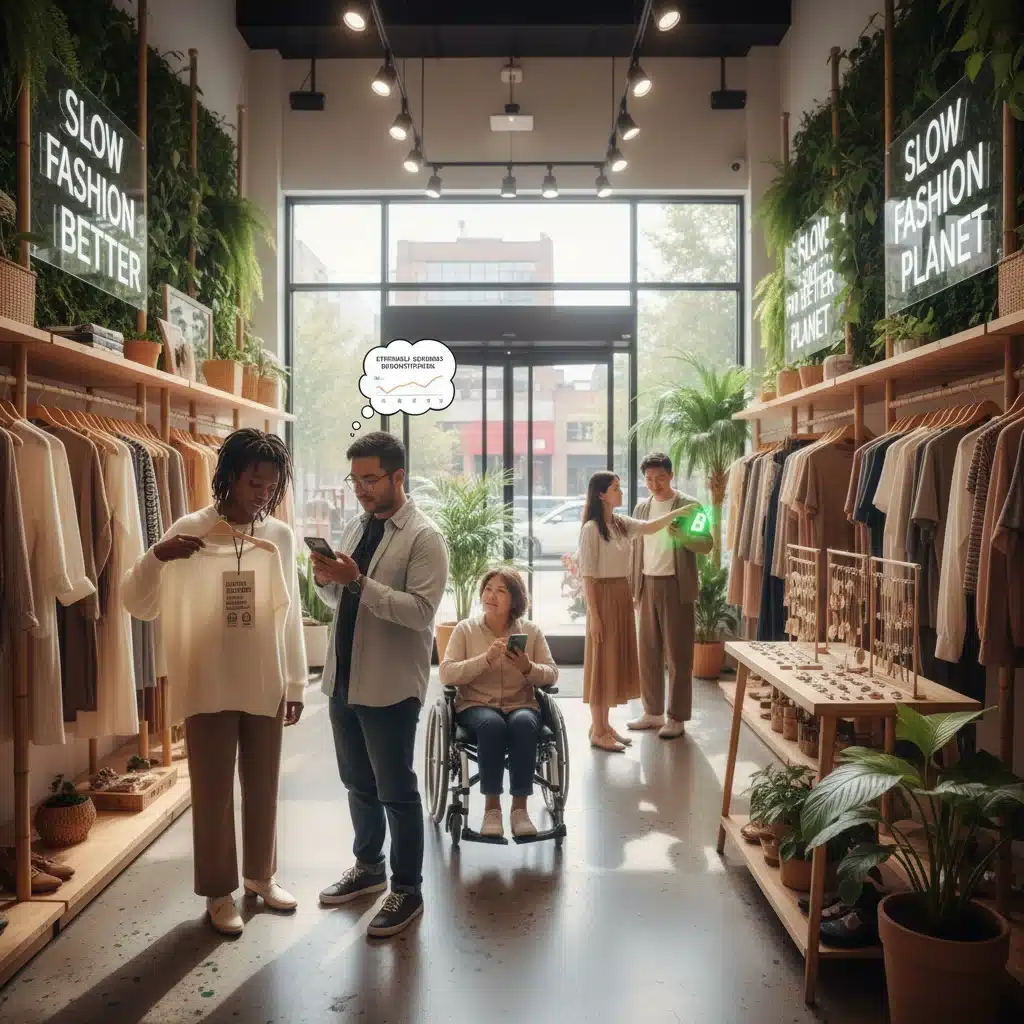
The shifts in the fashion supply chain 2026 will likely exacerbate the divide between fast fashion and slow fashion. Fast fashion brands, which rely heavily on ultra-low-cost, highly globalized production, may struggle to maintain their current price points if they are forced to adapt to higher labor costs or more stringent environmental regulations. This could lead to either higher prices for fast fashion or a further decline in quality to offset rising production costs. Slow fashion brands, which already emphasize quality, durability, and ethical production, may see their value proposition strengthened, even with higher prices, as consumers become more aware of the true cost of their clothing.
Smart Shopping Strategies for the 2026 Fashion Landscape
Navigating the complex pricing environment of 2026 requires a strategic approach. Here are actionable tips to help you shop smarter, save money, and build a sustainable and stylish wardrobe.
1. Prioritize Quality Over Quantity
With potential price increases, investing in high-quality, durable pieces will become even more crucial. A well-made garment, even if it costs more upfront, will last longer, reducing your overall cost-per-wear. Focus on classic, versatile pieces that can be mixed and matched, rather than chasing fleeting trends that quickly become obsolete.
2. Embrace Secondhand and Vintage Fashion
The secondhand market is booming and offers an excellent way to access quality fashion at a fraction of the original price. Websites, apps, and local consignment stores are treasure troves for unique and well-preserved items. This not only saves you money but also contributes to a circular economy, reducing demand on new production and its associated supply chain pressures.
3. Research Brands’ Supply Chain Practices
Become an informed consumer. Many brands are now more transparent about their supply chain practices. Look for information on their websites regarding sourcing, manufacturing, and labor conditions. Brands that invest in ethical and sustainable practices, even if their prices are slightly higher, often offer better quality and a longer lifespan for their products, providing better long-term value. Understanding where your clothes come from will be a key part of navigating the fashion supply chain 2026.
4. Shop Off-Season and During Sales
This timeless strategy remains highly effective. Shopping for winter coats in spring or swimwear in autumn can yield significant discounts. Retailers often clear out inventory to make way for new collections, providing opportunities to snag quality items at reduced prices. Keep an eye on end-of-season sales, Black Friday, and other promotional periods.
5. Learn Basic Clothing Care and Repair
Extending the life of your existing wardrobe is one of the most effective ways to save money. Learning how to properly wash, dry, and store different fabrics can prevent premature wear and tear. Basic mending skills – like sewing on a button or repairing a small tear – can save a favorite garment from the landfill and delay the need for a new purchase.
6. Consider Rental and Swapping Services
For special occasions or to experiment with new styles without the commitment of purchase, consider fashion rental services. Clothing swaps with friends or community groups are another excellent way to refresh your wardrobe sustainably and economically. These services align perfectly with the evolving emphasis on resource efficiency within the fashion supply chain 2026.
7. Embrace Digital Tools for Price Comparison
Utilize price comparison websites, browser extensions, and apps that track price drops. These tools can help you identify the best deals across different retailers and alert you when an item you’re eyeing goes on sale. Staying informed digitally can be a significant advantage in a volatile pricing environment.
8. Buy Directly from Brands When Possible
Sometimes, purchasing directly from a brand’s website can offer better prices or exclusive discounts compared to third-party retailers. This also often provides more transparency regarding the brand’s practices and product information. Subscribing to newsletters can also alert you to direct-to-consumer promotions.
9. Understand the True Cost of Fast Fashion
While fast fashion might seem cheaper upfront, its environmental and social costs are significant. As the fashion supply chain 2026 becomes more transparent, the true cost of these garments – often made with cheap materials and exploitative labor – will become more apparent. Consider whether the short-term savings truly outweigh the long-term impacts, both for your wallet (due to poor durability) and the planet.
10. Plan Your Purchases and Create a Wardrobe Wishlist
Impulse buying is often the enemy of smart shopping. Take time to assess your wardrobe needs, identify gaps, and create a wishlist. Research items thoroughly before buying, comparing prices, materials, and brand ethics. A planned approach helps you make deliberate, valuable purchases rather than reactive, potentially regrettable ones.
The Long-Term Outlook for Fashion Consumers
The shifts in the fashion supply chain 2026 are not merely temporary adjustments; they represent a fundamental reshaping of the industry. For consumers, this means a future where the connection between a garment’s price and its true value – encompassing material quality, ethical production, and environmental impact – will become increasingly evident. The era of blindly cheap fashion may be drawing to a close, replaced by a more conscious and considered approach to clothing consumption.
This transformation offers an exciting opportunity for consumers to align their purchasing power with their values. By supporting brands that prioritize sustainability, transparency, and fair labor, shoppers can contribute to a more responsible and resilient fashion industry. While prices may see an upward trend for some items, the enhanced quality and ethical assurances can offer greater long-term satisfaction and a more meaningful connection to the clothes we wear.
Ultimately, smart shopping in 2026 and beyond will be less about finding the lowest possible price and more about understanding value. It will involve a blend of strategic purchasing, conscious consumption, and a willingness to embrace alternative ways of acquiring and maintaining a stylish wardrobe. The evolving fashion supply chain 2026 is not just changing how clothes are made; it’s changing how we, as consumers, interact with fashion itself.