Mastering Fashion Accessory Warranties 2026: Your Ultimate Guide to Protecting Your Style Investments
In the dynamic world of fashion, accessories are more than just embellishments; they are statements, investments, and often, cherished possessions. From the timeless elegance of a luxury watch to the functional artistry of a designer handbag or the intricate beauty of fine jewelry, these items enhance our personal style and hold significant value. However, like any valuable asset, fashion accessories are susceptible to wear, tear, and unexpected defects. This is where understanding and utilizing fashion accessory warranties becomes paramount. In 2026, navigating the intricate landscape of manufacturer warranties is crucial for any discerning consumer looking to protect their sartorial investments.
This comprehensive guide will delve deep into the world of fashion accessory warranties, providing you with the knowledge and tools necessary to understand, activate, and effectively utilize these essential protections. We’ll explore everything from the types of warranties available to the critical steps you need to take when a claim arises. Our goal is to empower you to make informed decisions, ensuring your beloved accessories remain as pristine and functional as the day you acquired them.
The Foundation: What Exactly Are Fashion Accessory Warranties?
At its core, a warranty is a guarantee issued by the manufacturer or seller to the purchaser of an item, promising to repair or replace it if it proves to be defective within a specified period. For fashion accessory warranties, this means protection against manufacturing defects, material flaws, or sometimes, even certain types of damage. It’s a contractual assurance that the product will meet certain standards of quality and performance for a given duration.
Advertisements
Understanding the nuances of these warranties is vital because they can vary significantly across brands, product categories, and even regions. A warranty for a high-end watch, for instance, will likely differ greatly from that of a costume jewelry piece or a pair of sunglasses. Knowing what your warranty covers, and more importantly, what it doesn’t cover, is the first step in safeguarding your investment.
Types of Fashion Accessory Warranties You’ll Encounter
When purchasing fashion accessories, you’ll typically come across a few common types of warranties:
- Express Warranties: These are explicit promises made by the manufacturer or seller, either verbally or in writing. They detail specific conditions under which the product can be repaired, replaced, or refunded. Most written warranties you receive with a luxury item fall into this category. They often specify the duration of coverage, what components are covered, and the procedures for making a claim.
- Implied Warranties: These are unwritten, unstated promises that arise by law. The most common types are the ‘implied warranty of merchantability’ (the product will do what it is supposed to do) and the ‘implied warranty of fitness for a particular purpose’ (the product is suitable for a specific use that the seller knows about). While not always explicitly stated for fashion accessories, these can offer a baseline level of protection, particularly in certain jurisdictions.
- Extended Warranties/Service Contracts: Often offered at an additional cost at the point of sale, these extend the coverage beyond the manufacturer’s standard warranty. While they can provide peace of mind, it’s crucial to scrutinize their terms and conditions. Are they truly comprehensive? Do they duplicate existing coverage? Are the costs justified by the potential benefits? For high-value items, an extended warranty might be a worthwhile consideration, but for lesser-priced accessories, it might be an unnecessary expense.
Decoding the Fine Print: Key Elements of Fashion Accessory Warranties
The devil is always in the details, and with fashion accessory warranties, this adage rings particularly true. Before you even need to make a claim, it’s imperative to familiarize yourself with the specific terms and conditions. Here are the key elements you should always look for:
1. Duration of Coverage
How long is the warranty valid? This can range from a few months for fast fashion items to several years, or even a lifetime, for high-end watches or certain jewelry pieces. Note both the total duration and the starting date of the warranty period, which is typically the purchase date.
2. What’s Covered (and What Isn’t)
This is arguably the most critical section. Warranties typically cover manufacturing defects, such as faulty clasps on a necklace, stitching coming undone on a handbag, or a watch movement malfunction. They generally do not cover:
- Normal Wear and Tear: Scratches on a watch crystal, fading of leather, or tarnishing of metals due to regular use are usually excluded.
- Accidental Damage: Dropping an item, water damage (unless explicitly stated as water-resistant to a certain degree), or damage from improper care are almost universally excluded.
- Misuse or Abuse: Damage resulting from using the accessory in a way it wasn’t intended.
- Unauthorized Repairs or Modifications: If you take your accessory to an unapproved third-party for repair, it will likely void your warranty.
- Loss or Theft: Warranties are not insurance policies.
3. Remedies Provided
What will the manufacturer do if a covered defect occurs? The most common remedies are repair, replacement, or a refund. Some warranties specify that the manufacturer has the sole discretion to choose the remedy. For luxury items, repair by authorized service centers is often the preferred option to maintain authenticity and value.
4. Claim Procedure
This section outlines the steps you need to take to make a warranty claim. This usually involves:
- Contacting customer service.
- Providing proof of purchase (receipt, invoice).
- Describing the defect.
- Sending the item for inspection.
Pay close attention to deadlines and required documentation.
5. Transferability
If you sell or gift the accessory, does the warranty transfer to the new owner? For certain high-value items, transferable warranties can significantly increase resale value. Always check this clause, especially for items like luxury watches or heirloom jewelry.
Activating and Maintaining Your Fashion Accessory Warranties in 2026
A warranty is only as good as its activation and your adherence to its terms. In 2026, many brands have streamlined this process, but consumer diligence remains key.
1. Register Your Product
Many manufacturers require product registration to activate the warranty. This often involves filling out a form online or mailing in a card with your purchase details. Do this immediately after purchase. It streamlines future claims and ensures you receive important updates from the brand.
2. Keep All Documentation
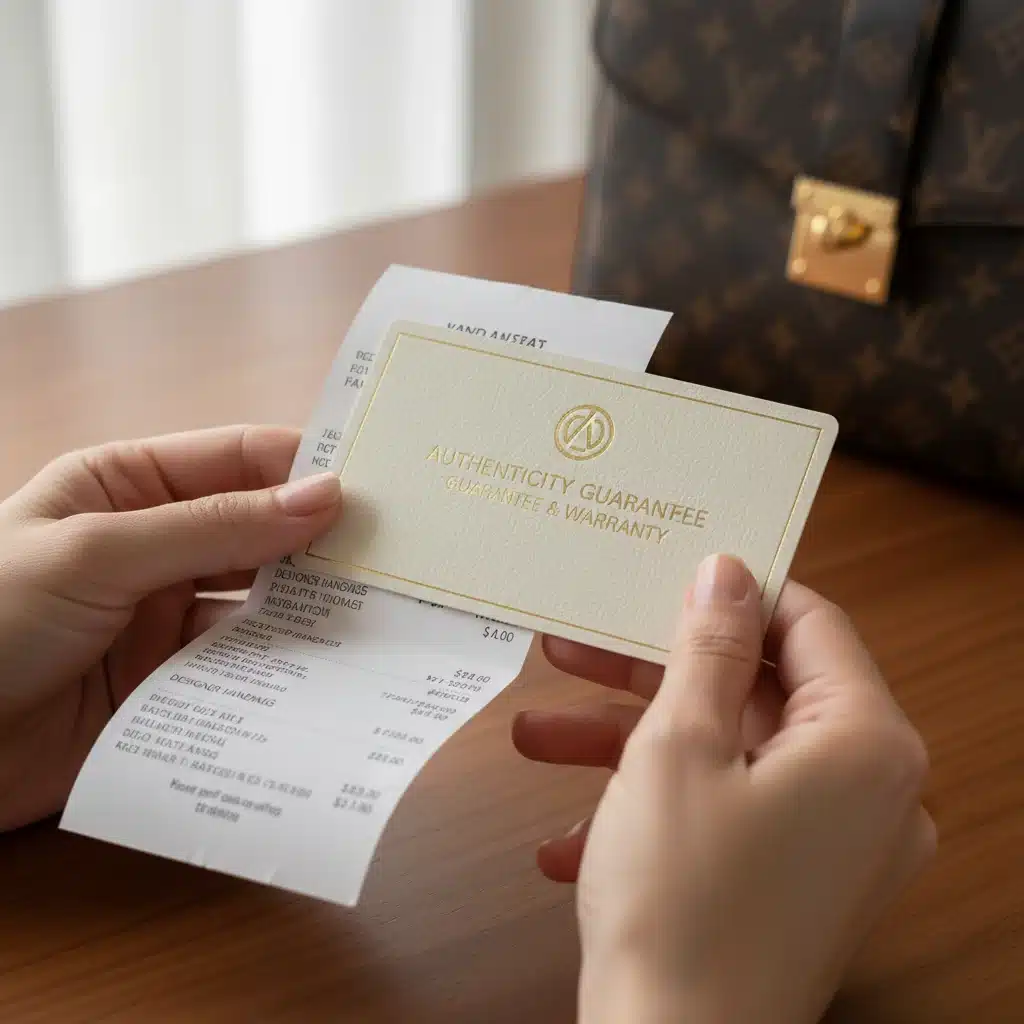
This includes your original sales receipt, warranty card, authenticity certificates, and any other paperwork that came with your accessory. Consider taking photos or digital scans of these documents and storing them in a secure cloud-based location. This is crucial for proving the date and place of purchase and the item’s authenticity, which are almost always prerequisites for a warranty claim on fashion accessory warranties.
3. Follow Care Instructions
Manufacturers often provide specific care instructions for their products. Failing to follow these – for example, cleaning a leather bag with harsh chemicals or exposing a delicate watch to extreme temperatures – can void your warranty. Proper care not only extends the life of your accessory but also ensures your warranty remains valid.
4. Avoid Unauthorized Repairs
As mentioned, taking your accessory to an unapproved repair shop can void your warranty. If an issue arises, always contact the manufacturer or an authorized service center first. They have the expertise, genuine parts, and tools necessary to perform repairs without compromising the warranty.
When Disaster Strikes: Making a Warranty Claim for Your Fashion Accessory
Despite your best efforts, sometimes an accessory develops a defect. When this happens, a well-executed warranty claim can save you significant repair or replacement costs.
Step-by-Step Guide to Filing a Claim:
- Identify the Defect: Clearly determine what the problem is. Is it a manufacturing flaw, or is it related to wear and tear or accidental damage? This helps you assess if it’s likely covered by your fashion accessory warranties.
- Locate Documentation: Gather your proof of purchase (receipt, invoice) and your warranty card/certificate. Ensure the warranty period is still valid.
- Contact the Manufacturer/Retailer: Reach out to the customer service department of the brand or the retailer where you purchased the item. Many brands have dedicated warranty claim portals online. Be prepared to provide your product’s serial number (if applicable) and a detailed description of the issue.
- Follow Their Instructions: They will guide you through the next steps, which may involve sending photos of the defect, filling out a claim form, or shipping the item to an authorized service center.
- Ship Securely (If Required): If you need to send your accessory for inspection or repair, package it carefully. Use a reputable shipping service with tracking and insurance, especially for high-value items. Document the condition of the item before shipping.
- Communicate and Follow Up: Keep a record of all communications (emails, call logs, names of representatives). If you don’t hear back within the promised timeframe, follow up politely but persistently.
- Understand the Outcome: Once the item is inspected, the manufacturer will inform you whether the claim is approved or denied. If approved, they will proceed with the repair, replacement, or refund. If denied, they should provide a clear reason.
Navigating Common Challenges with Fashion Accessory Warranties
Even with a clear understanding, issues can arise. Here are some common challenges and how to address them:
1. Warranty Denials
If your claim is denied, ask for a detailed explanation. Review your warranty terms again. If you believe the denial is unfair or incorrect, escalate the issue to a supervisor or a different department. Some countries have consumer protection agencies that can mediate disputes.
2. Discontinued Models and Parts
For older or discontinued fashion accessories, obtaining replacement parts can be challenging. In such cases, manufacturers might offer a comparable replacement item or a store credit if repair isn’t feasible. Always clarify these possibilities when discussing your claim.
3. International Purchases and Warranties
Purchasing accessories abroad can complicate warranty claims. Some warranties are region-specific. Before buying internationally, confirm if the warranty is global or if there’s an authorized service center in your home country. This is a critical consideration for expensive items.
4. Proof of Authenticity
For luxury items, manufacturers often require proof of authenticity alongside proof of purchase. Always retain authenticity cards, serial numbers, and original packaging to avoid issues when making a claim on your fashion accessory warranties.

Beyond the Warranty: Protecting Your Fashion Investments
While fashion accessory warranties are invaluable, they are just one layer of protection. Consider these additional strategies to safeguard your cherished items:
1. Personal Insurance
For high-value accessories like engagement rings, luxury watches, or rare handbags, consider adding them to your homeowner’s or renter’s insurance policy, or obtaining a separate jewelry/fine arts policy. This can cover perils like loss, theft, and accidental damage, which warranties typically do not.
2. Regular Maintenance and Professional Cleaning
Just like a car, fashion accessories benefit from professional care. Regular cleaning, polishing, and inspections by authorized professionals can prevent minor issues from becoming major problems and extend the life of your items significantly. This is especially true for fine jewelry and watches.
3. Proper Storage
Store your accessories correctly. Use dust bags for handbags, watch winders for automatic watches, and separate compartments for jewelry to prevent scratches and tangling. Keep them away from extreme temperatures, humidity, and direct sunlight, all of which can degrade materials over time.
4. Mindful Usage
Be conscious of how you use your accessories. Avoid wearing delicate jewelry during strenuous activities, keep leather goods away from sharp objects, and protect watches from impacts. A little mindfulness goes a long way in preserving their condition.
The Future of Fashion Accessory Warranties: Trends in 2026
The landscape of consumer protection and product guarantees is continually evolving. In 2026, we observe several trends influencing fashion accessory warranties:
- Digitalization of Records: More brands are moving towards digital warranty registration and online claim processes, making it easier for consumers to manage their coverage. QR codes on products linking directly to warranty information are becoming common.
- Sustainability and Repairability: With a growing emphasis on sustainability, some brands are offering enhanced repair services and extended warranties to promote longevity and reduce waste. This aligns with consumer demand for more eco-conscious practices.
- Blockchain for Authenticity and Warranty: Emerging technologies like blockchain are being explored to create immutable records of product authenticity and warranty status, further combating counterfeits and simplifying proof of ownership for warranty claims.
- Personalized Warranty Options: We might see more personalized warranty options, allowing consumers to tailor coverage to their specific needs and usage patterns, particularly for high-value custom items.
These trends suggest a future where managing fashion accessory warranties will become more integrated, transparent, and consumer-friendly, further empowering buyers to protect their investments effectively.
Conclusion: Empowering Your Fashion Investments with Smart Warranty Management
In conclusion, understanding and effectively utilizing fashion accessory warranties is an indispensable skill for any modern consumer in 2026. These warranties are not just pieces of paper; they are a critical component of your investment protection strategy, offering peace of mind and safeguarding the longevity and value of your cherished items.
By diligently reading the fine print, adhering to activation and care instructions, and knowing the proper steps for filing a claim, you can navigate the complexities of product guarantees with confidence. Remember that while warranties cover manufacturing defects, a holistic approach to protecting your fashion investments also involves proper care, mindful usage, and considering additional insurance where appropriate.
Embrace the knowledge shared in this guide to become a savvy consumer, ensuring that your fashion accessories continue to make a statement for years to come, protected by the robust framework of manufacturer warranties and your own informed diligence. Your style is an expression of you, and protecting it means protecting a part of your identity and your valuable assets.