Unearthing 7 Must-Have Sustainable Fashion Brands for 2026: A Deep Dive into Ethical Style Discoveries
Unearthing 7 Must-Have Sustainable Fashion Brands for 2026: A Deep Dive into Ethical Style Discoveries
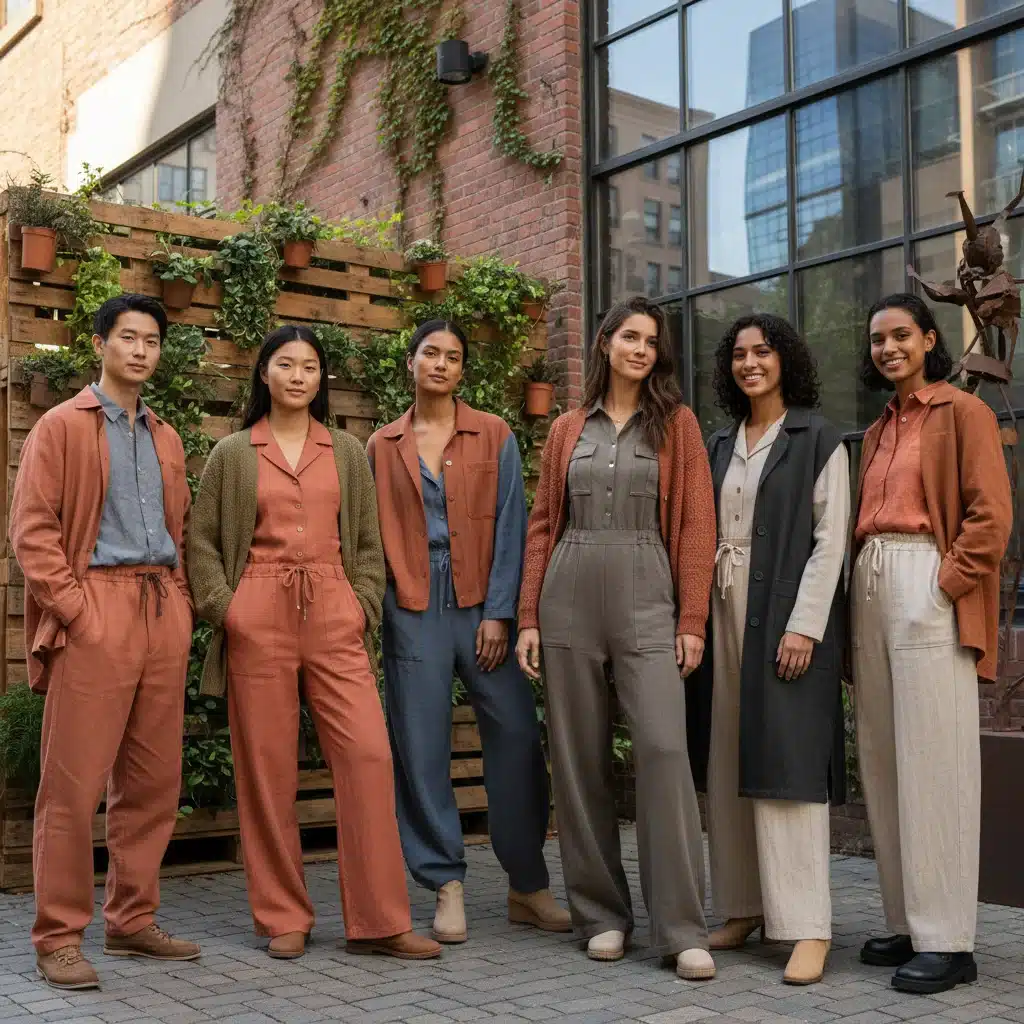
The fashion industry, long synonymous with rapid trends and environmental impact, is undergoing a profound transformation. As we look towards 2026, the spotlight on sustainable fashion brands shines brighter than ever. Consumers are increasingly aware of the ecological and social costs of fast fashion, driving a demand for ethical alternatives. This shift isn’t just a fleeting trend; it’s a fundamental re-evaluation of how we consume and create clothing. The move towards sustainability encompasses everything from raw material sourcing and production processes to labor practices and product longevity. It’s about creating a circular economy where waste is minimized, resources are respected, and people are treated fairly. In this comprehensive guide, we’ll unearth seven must-have sustainable fashion brands that are leading the charge in 2026, offering not just style, but also a conscience.
Choosing sustainable fashion brands means investing in quality, durability, and a future where our clothing choices don’t come at the expense of the planet or its people. These brands are innovating with materials, adopting transparent supply chains, and championing fair labor practices. They are proving that fashion can be both beautiful and responsible. As the industry evolves, staying informed about the pioneers in this space becomes crucial for any conscious consumer. Our selection for 2026 highlights brands that consistently demonstrate a commitment to environmental stewardship, social equity, and timeless design. Get ready to refresh your wardrobe with pieces that tell a story of positive impact.
The Rise of Conscious Consumerism: Why Sustainable Fashion Matters Now More Than Ever
The past decade has seen an unprecedented surge in awareness regarding climate change and social justice. This heightened consciousness has inevitably spilled over into our purchasing habits, particularly within the fashion sector. The term ‘fast fashion’ has become a byword for environmental degradation, excessive waste, and unethical labor practices. From mountains of textile waste clogging landfills to polluted waterways from dyeing processes, the environmental footprint is undeniable. Furthermore, the human cost, often hidden in dimly lit factories, includes low wages, unsafe working conditions, and exploitation.
Advertisements
Sustainable fashion brands offer a powerful antidote to these issues. They prioritize eco-friendly materials like organic cotton, recycled polyester, hemp, and Tencel, which require less water, fewer pesticides, and generate less waste. Their production processes often involve closed-loop systems, minimizing water and energy consumption, and reducing chemical discharge. Beyond environmental concerns, these brands are committed to fair trade principles, ensuring that everyone in their supply chain, from farmers to factory workers, receives fair wages and works in safe, respectful environments. This holistic approach is what defines true sustainability in fashion.
For consumers, embracing sustainable fashion brands is a statement of values. It’s an active choice to support businesses that align with ethical principles, contributing to a better world. It’s about moving away from disposable clothing and investing in pieces that are made to last, reducing the overall consumption cycle. This shift not only benefits the planet but also encourages a more mindful approach to personal style, where quality triumphs over quantity. As we navigate the complexities of modern life, our wardrobes can become a powerful tool for positive change, reflecting a commitment to a more equitable and sustainable future.
Criteria for Selecting Our Top 7 Sustainable Fashion Brands for 2026
Identifying truly sustainable fashion brands in a market increasingly saturated with ‘greenwashing’ requires careful scrutiny. Our selection process for the top 7 brands for 2026 was rigorous, focusing on several key pillars of sustainability. We looked beyond mere claims, delving into certifications, transparency reports, and concrete actions taken by each company. The goal was to present brands that are not just making an effort, but are genuinely committed to making a difference across their entire value chain.
Material Innovation and Sourcing
A primary consideration was the types of materials used. We prioritized brands that utilize organic, recycled, upcycled, or innovative sustainable materials (e.g., plant-based leathers, lab-grown fabrics). Equally important was the sourcing of these materials – ensuring they come from suppliers with strong environmental and social standards. This includes certifications like GOTS (Global Organic Textile Standard), Oeko-Tex, and Fair Trade Cotton. Brands that actively research and invest in new, less impactful materials scored highly.
Ethical Production and Labor Practices
The human element is central to sustainability. We sought out sustainable fashion brands with transparent supply chains, ensuring fair wages, safe working conditions, and no forced or child labor. This often involves third-party audits and certifications such as Fair Trade Certified, SA8000, or WRAP (Worldwide Responsible Accredited Production). Brands that build long-term relationships with their manufacturers and empower local communities were particularly favored.
For consumers, embracing sustainable fashion brands is a statement of values. It’s an active choice to support businesses that align with ethical principles, contributing to a better world. It’s about moving away from disposable clothing and investing in pieces that are made to last, reducing the overall consumption cycle. This shift not only benefits the planet but also encourages a more mindful approach to personal style, where quality triumphs over quantity. As we navigate the complexities of modern life, our wardrobes can become a powerful tool for positive change, reflecting a commitment to a more equitable and sustainable future.
Environmental Impact and Circularity
Beyond materials, we assessed the overall environmental footprint of each brand’s operations. This includes water and energy conservation, waste reduction strategies (e.g., zero-waste patterns, recycling programs), and efforts to minimize carbon emissions. Brands committed to circularity – designing products to be reused, repaired, or recycled at the end of their life – demonstrated a deeper commitment to long-term sustainability. This includes offering repair services, take-back programs, or designing for disassembly.
Transparency and Accountability
True sustainable fashion brands are open about their practices, challenges, and progress. We looked for brands that provide detailed information about their supply chain, environmental metrics, and social impact reports. Brands that are willing to admit where they can improve and actively work towards those improvements exemplify genuine commitment. Certifications from reputable organizations also played a significant role in verifying their claims.
Design Philosophy and Longevity
Finally, the design itself plays a crucial role in sustainability. We favored brands that create timeless, durable pieces designed to last, rather than succumb to fleeting trends. This encourages consumers to buy less and keep items longer, reducing overall consumption. The aesthetic appeal, versatility, and quality craftsmanship were also considered, as sustainable fashion should never compromise on style or wearability.
The 7 Must-Have Sustainable Fashion Brands Leading in 2026
1. Patagonia: The Enduring Icon of Ethical Outdoor Wear
Patagonia remains a titan in the sustainable fashion world, and for good reason. For decades, they have set the gold standard for environmental and social responsibility in the outdoor apparel industry. Their commitment extends far beyond using recycled materials; it’s embedded in their corporate philosophy. Patagonia actively campaigns for environmental causes, donates 1% of sales to grassroots environmental groups, and is a certified B Corp. Their iconic ‘Worn Wear’ program encourages customers to repair, reuse, and recycle their gear, embodying a truly circular approach to consumption. By 2026, Patagonia continues to innovate with materials like NetPlus (recycled fishing nets) and pushing for regenerative organic cotton. Their transparency reports are exemplary, detailing their supply chain and environmental impact with refreshing honesty. When it comes to sustainable fashion brands, Patagonia isn’t just a leader; it’s an inspiration, consistently demonstrating that profit and purpose can coexist.
2. Eileen Fisher: Timeless Elegance with a Conscience
Eileen Fisher has long been synonymous with sophisticated, minimalist design, but their commitment to sustainability is equally profound. Specializing in high-quality, timeless pieces, they encourage longevity in wardrobes, directly combating the fast fashion cycle. Their materials palette heavily features organic linen, organic cotton, and responsibly sourced Tencel Lyocell. Eileen Fisher is a pioneer in circularity, with their ‘Renew’ program taking back worn garments from customers, cleaning them, and reselling or remaking them into new designs. This initiative significantly reduces textile waste. They are also deeply committed to fair labor practices, working closely with their supply chain partners to ensure ethical conditions. For 2026, Eileen Fisher continues to refine their material innovations and expand their circular economy initiatives, making them a cornerstone among influential sustainable fashion brands.
3. Reformation: Stylish Sustainability for the Modern Wardrobe
Reformation has successfully carved out a niche for itself by proving that sustainable fashion can be incredibly chic and desirable. Known for their feminine silhouettes, trendy designs, and transparent approach, Reformation appeals to a broad audience eager to make more conscious choices without sacrificing style. They meticulously track the environmental impact of each garment, providing ‘RefScale’ metrics that show water, waste, and carbon dioxide savings. Their material choices prioritize eco-friendly options like Tencel, recycled fabrics, and sustainably sourced viscose. Reformation is also committed to fair labor practices, ensuring living wages and good working conditions in their Los Angeles factory and with global partners. As one of the most accessible and stylish sustainable fashion brands, Reformation is set to continue its ascent in 2026, making ethical choices fashionable and easy.
4. Tentree: Planting a Future with Every Purchase
Tentree distinguishes itself with a clear and impactful mission: for every item purchased, they plant ten trees. This direct environmental contribution resonates deeply with consumers seeking tangible positive impact. Beyond their reforestation efforts, Tentree is dedicated to using sustainable materials such as organic cotton, recycled polyester, hemp, and Tencel. Their clothing is designed for comfort, versatility, and durability, catering to an active, environmentally conscious lifestyle. Transparency is key for Tentree, providing detailed information about their manufacturing processes and tree-planting initiatives. They are a certified B Corp, underscoring their commitment to social and environmental performance. By 2026, Tentree’s unique model continues to inspire, demonstrating how businesses can integrate environmental restoration directly into their core offering, making them a standout among sustainable fashion brands.
5. Pact: Affordable Organic Basics for Everyone
Pact has made it their mission to make organic and fair trade clothing accessible to the masses. Specializing in comfortable, high-quality basics for women, men, and children, Pact uses 100% organic cotton that is GOTS certified. This ensures that their cotton is grown without toxic pesticides or fertilizers, protecting both the environment and the farmers. Furthermore, all of Pact’s products are Fair Trade Certified, meaning that the people who made your clothes received fair wages and worked in safe conditions. They emphasize a transparent supply chain, allowing consumers to feel confident in their purchases. Pact also focuses on minimizing packaging waste. For those looking to build a foundational wardrobe of ethical essentials, Pact remains one of the most reliable and affordable sustainable fashion brands in 2026, proving that sustainability doesn’t have to break the bank.
6. Veja: Sustainable Sneakers with Style and Substance
Veja has revolutionized the sneaker market by proving that ethical footwear can be both stylish and sustainable. Originating from France, Veja’s commitment to transparency and responsible sourcing is exceptional. Their sneakers are made from a combination of organic cotton, wild rubber from the Amazon rainforest (ensuring fair trade for rubber tappers and protecting the forest), recycled plastic bottles, and innovative vegan leathers. They prioritize direct trade with producers, cutting out intermediaries and ensuring fair compensation. Veja avoids advertising, instead investing those funds back into their production chain and social projects. Their factories in Brazil adhere to strict labor standards. By 2026, Veja continues to expand its innovative material research and ethical supply chains, solidifying its position as a leading example of sustainable fashion brands in the footwear sector, offering a guilt-free way to step up your shoe game.
7. Outerknown: Surfer-Inspired Sustainability and Circularity
Founded by surfing legend Kelly Slater, Outerknown embodies a relaxed, coastal aesthetic with a deep commitment to sustainability. Their philosophy is rooted in creating durable, timeless clothing that minimizes environmental impact. Outerknown uses a high percentage of organic cotton, hemp, and recycled materials like ECONYL (regenerated nylon from fishing nets and other waste). They are a Fair Labor Association (FLA) accredited company, ensuring ethical working conditions throughout their supply chain. A standout initiative is their ‘S.E.A. Jeans’ program, which offers a lifetime guarantee and free repairs, promoting extreme product longevity and challenging the disposable nature of denim. Outerknown’s dedication to circular design and responsible manufacturing makes them a compelling choice among sustainable fashion brands for those who value both style and ecological integrity, continuing to ride the wave of responsible fashion into 2026.
The Future of Fashion: Embracing a Sustainable Wardrobe in 2026 and Beyond
The landscape of fashion is undeniably shifting. The collective consciousness around environmental responsibility and social equity is not just a passing trend but a foundational change in how consumers interact with brands. The sustainable fashion brands highlighted above are not merely responding to this shift; they are actively driving it, setting new benchmarks for ethical production, material innovation, and corporate responsibility. Their success in 2026 and beyond will be a testament to the power of conscious consumerism and the viability of a more responsible industry model.
Embracing a sustainable wardrobe means more than just buying from these brands. It involves a holistic approach to consumption: buying less, choosing high-quality, durable pieces, repairing what you own, and exploring options like secondhand clothing or clothing rental services. It’s about understanding the lifecycle of your garments and making choices that extend their utility and minimize their environmental footprint. By supporting sustainable fashion brands, you’re not just purchasing an item of clothing; you’re investing in a movement that champions a healthier planet and fairer communities.
As consumers, our power lies in our purchasing decisions. Every dollar spent on sustainable fashion brands sends a clear message to the wider industry: transparency, ethics, and environmental stewardship are non-negotiable. The brands listed here demonstrate that style, quality, and sustainability can coexist beautifully. They are pioneers, showing that it is possible to create beautiful clothing without compromising our values or the future of our planet. Let’s continue to support these visionary companies and inspire even more brands to adopt sustainable practices, ensuring that ethical style becomes the norm, not the exception, in the years to come.

Beyond the Brands: How to Cultivate a Sustainable Fashion Mindset
While supporting the top sustainable fashion brands is a crucial step, cultivating a sustainable fashion mindset extends far beyond brand loyalty. It’s about adopting a series of practices that collectively reduce your environmental impact and promote ethical consumption. This holistic approach ensures that your personal style aligns with your values, creating a wardrobe that is both fashionable and responsible.
The ‘Buy Less, Choose Well, Make it Last’ Mantra
This timeless advice from Vivienne Westwood perfectly encapsulates the core of sustainable fashion. Instead of chasing fleeting trends, focus on building a versatile capsule wardrobe composed of high-quality, timeless pieces. These items, often from sustainable fashion brands, are designed to withstand the test of time, reducing the need for frequent replacements. Invest in well-made garments that you truly love and that reflect your personal style, ensuring they won’t be discarded after a few wears.
Embrace Secondhand and Vintage Fashion
One of the most sustainable ways to refresh your wardrobe is to buy pre-owned. Thrifting, vintage shopping, and online resale platforms (like Depop, Poshmark, or The RealReal) divert clothing from landfills and give garments a second life. This not only reduces demand for new production but also allows you to discover unique pieces with character and history. Many sustainable fashion brands themselves encourage this circular approach by offering their own resale programs.
Learn Basic Mending and Repair Skills
A small tear or a missing button doesn’t have to mean the end of a garment’s life. Learning basic mending skills – or finding a good local tailor – can significantly extend the lifespan of your clothes. This practice directly combats the ‘disposable’ mentality of fast fashion and fosters a greater appreciation for the craftsmanship of your garments. Many sustainable fashion brands even offer repair services as part of their commitment to longevity.
Care for Your Clothes Properly
The way you wash and care for your clothes has a substantial environmental impact. Washing less frequently, using cold water, air-drying instead of tumble-drying, and using eco-friendly detergents can all reduce energy and water consumption. Proper care also helps garments last longer, further contributing to a sustainable wardrobe. Always check care labels and follow instructions to maintain the quality and integrity of your clothing.
Educate Yourself and Others
Stay informed about the issues within the fashion industry and the innovations in sustainable textiles and production. Follow sustainable fashion brands, read industry reports, and engage in discussions. Share your knowledge with friends and family, inspiring them to make more conscious choices. The more informed we are as consumers, the more powerful our collective impact becomes in shaping a more ethical and sustainable future for fashion.
Consider Clothing Rental and Swaps
For special occasions or to experiment with new styles without committing to a purchase, consider clothing rental services. This allows you to enjoy high-fashion items for a limited time, reducing ownership and waste. Clothing swaps with friends or community groups are another fun and eco-friendly way to refresh your wardrobe without spending money or contributing to new production. These alternatives provide flexibility and variety while aligning with sustainable principles.
Conclusion: Styling a Brighter Future with Sustainable Fashion Brands
As we navigate the complexities of the 21st century, the choices we make as consumers hold immense power. The fashion industry, once a significant contributor to environmental degradation and social injustice, is now at a critical juncture. The rise of innovative and ethical companies, particularly the leading sustainable fashion brands we’ve explored for 2026, offers a beacon of hope. These brands are not just selling clothes; they are selling a vision for a more responsible, equitable, and beautiful future.
From Patagonia’s unwavering commitment to environmental activism and circularity to Eileen Fisher’s timeless elegance and repair programs, and from Reformation’s chic transparency to Tentree’s impactful reforestation, each brand brings a unique and valuable contribution to the sustainable fashion landscape. Pact makes organic basics accessible, Veja redefines ethical footwear, and Outerknown champions surfer-inspired sustainability with a lifetime guarantee on their jeans. Together, they illustrate the diverse ways in which fashion can be a force for good.
By consciously choosing to support these sustainable fashion brands and adopting a mindful approach to our own consumption habits – buying less, choosing well, repairing, and embracing secondhand – we become active participants in this positive transformation. Our collective actions send a powerful message, encouraging the broader industry to accelerate its shift towards more ethical and eco-friendly practices. The future of fashion is not just about what we wear, but how it’s made, by whom, and with what impact. Let’s step into 2026 with a wardrobe that reflects our values, styling a brighter, more sustainable future for generations to come.